

2007-2009 Sprinter 2500 & 3500 Steering Rack: Leaks, Noises, and Replacement Guide
Diagnose common steering rack failures in your NCV3 Dodge Sprinter and learn what to look for when buying a used replacement.
- The most common failure is a fluid leak, often caused by torn rubber boots (bellows) on the ends of the rack. Inspect these boots carefully on any used part.
- This rack is for the NCV3 chassis with hydraulic steering. Before buying, confirm the mounting hole spacing is approximately 472mm.
- Replacement is a major job. A complete power steering fluid flush and a professional wheel alignment are mandatory after installation.
- Symptoms include leaks, whining/clunking noises, and stiff or loose steering feel. Do not ignore these signs as they represent a major safety risk.
Symptoms of a Failing Steering Gear Rack


A failing steering rack on a 2007-2009 Dodge Sprinter 2500 or 3500 will provide several distinct warning signs. Paying attention to these symptoms can help you diagnose the problem before it leads to a complete and dangerous loss of steering control.
Power Steering Fluid Leaks
This is the most common failure symptom. You may notice reddish or brownish fluid spots on the ground where you park. Leaks typically occur at the seals where the inner tie rods exit the main rack housing or at the connections for the hydraulic lines. These seals wear out over time, allowing fluid to escape. Often, the rubber bellows (boots) on the ends of the rack will fill with fluid before it starts to drip, so a wet or swollen boot is a sure sign of a leaking seal.
Noises When Turning
Whining or Groaning: A whining noise that gets louder when you turn the wheel is often the first sign of low power steering fluid, which could be caused by a leak in the rack. This is the sound of the power steering pump struggling due to a lack of fluid. Grinding or Clunking: A grinding, crunching, or clunking sound when turning can indicate worn-out gears inside the steering rack. You might feel this through the steering wheel or floor. This suggests a serious internal mechanical failure.
Changes in Steering Feel
Stiff or Heavy Steering: If turning the wheel, especially at low speeds, suddenly requires much more effort, the rack has likely lost hydraulic assistance. This can happen due to a major fluid leak or an internal failure in the rack's valve body. Loose or Vague Steering: Excessive play in the steering wheel, where you can turn it slightly without the wheels responding, can be caused by worn internal components in the rack. This creates a disconnected and unsafe feeling while driving. "Notchy" or Uneven Steering: If the steering feels like it catches or has tight spots as you turn the wheel, this can point to worn gear teeth or failing bearings within the rack assembly.
Warning: A sudden loss of power steering fluid can make the vehicle extremely difficult to steer, creating a significant safety hazard. If you notice a major leak or a sudden change in steering effort, have the vehicle inspected immediately.
Known Issues, TSBs, and Recalls
While the NHTSA database shows several recalls for the 2007-2009 Dodge Sprinter 2500 and 3500, including significant ones for airbags, none are directly related to the failure of the steering gear rack itself. There was a recall for some Ram trucks concerning tie rods, but this did not apply to the Sprinter platform. Most issues with the Sprinter steering rack are related to age, mileage, and wear, rather than a specific manufacturing defect covered by a recall.
Buying a Used Steering Gear Rack: What to Look For

For a part this critical, a high-quality used OEM rack is often a better choice than a cheap, new aftermarket part. OEM units are built to the vehicle's original specifications for performance and durability. Here’s how to inspect a used steering rack for your Sprinter.
Physical Inspection
- Check the Boots (Bellows): This is the most important check. The accordion-like rubber boots on each end of the rack must be perfectly intact. Squeeze them to check for hidden cracks or splits. If a boot is torn, do not buy the rack. A compromised boot allows water and dirt to enter, which quickly destroys the internal seals and polished rack shaft, causing leaks and catastrophic failure.
- Look for Leaks: Examine the areas where the hydraulic lines connect and where the input shaft (from the steering column) enters the housing. Check for any signs of wetness or accumulated grime, which indicates a slow leak.
- Inspect the Housing: Look over the main aluminum body of the rack for any cracks, deep gouges, or damage to the mounting points.
- Examine the Gear Teeth and Input Shaft: If possible, look at the teeth on the rack itself. They should be clean and free of corrosion or damage. The splines on the input shaft should be straight and not twisted or stripped.
Compatibility Verification
Pro Tip: This steering rack is for the NCV3 chassis Sprinter with hydraulic power steering. It will not fit newer models with electric power steering. Before purchasing, verify the mounting hole spacing is approximately 472mm to ensure it matches your vehicle's subframe.
Mileage and Wear
Steering racks don't have a set lifespan, but failure is more common on high-mileage vehicles, especially those used for city deliveries with frequent turning. A rack from a lower-mileage, highway-driven RV is likely to be in better condition than one from a 250,000-mile delivery van. While there's no specific mileage to avoid, prioritize units from vehicles with under 150,000 miles if possible.
Replacement Considerations

Replacing the steering rack on a Sprinter is a difficult job, often rated at 4-8 hours of labor. While possible for an experienced DIY mechanic, it often requires lowering the front subframe for access.
Related Parts to Replace
- Outer Tie Rod Ends: Always install new outer tie rod ends when replacing the rack.
- Power Steering Fluid: The system must be completely flushed and refilled with the correct fluid. Using old, contaminated fluid can damage the replacement rack and pump.
- Fluid Lines & O-Rings: Carefully inspect the high-pressure and return lines for corrosion, kinks, or leaks. Always use new O-rings on the fluid line connections to prevent leaks.
Important Procedures
- System Bleeding: After installation, the power steering system must be properly bled to remove all air. Air trapped in the system can cause whining, erratic steering, and damage to the pump.
- Torque Specs: Proper torque on the rack mounting bolts is critical for safety. While specific Sprinter specs are hard to find, similar heavy-duty applications often require high torque values (e.g., 135 ft-lbs or more). Always use a torque wrench.
- Wheel Alignment: A professional wheel alignment is mandatory after replacing the steering rack. Skipping this step will cause an off-center steering wheel, poor handling, and rapid tire wear.
Cost Comparison
Prices can vary significantly based on supplier and location. These are estimates as of mid-2026.
| Part/Service | Estimated Cost |
|---|---|
| New OEM | $2,300 - $2,700 |
| New Aftermarket | $400 - $800 |
| Remanufactured | $500 - $1,250 |
| Used OEM | $250 - $600 |
| Shop Labor | $420 - $700+ |
Frequently Asked Questions (FAQ)
What type of power steering fluid does my 2007-2009 Dodge Sprinter use?
There is some debate, but many sources point to fluid meeting Mercedes-Benz specification MB 236.3. This is often a specific hydraulic fluid, not a generic ATF or power steering fluid. Using the wrong fluid can damage seals and cause system failure. Always check your owner's manual or a reliable source for the exact specification. The genuine fluid is often clear or yellowish, turning gray or black when degraded.
Can I just rebuild the steering rack or replace the leaking seals?
Rebuilding a steering rack is a complex job that requires special tools and expertise to replace internal seals and bearings. For most people, it is not a DIY task. While professional rebuilding services exist, replacing the entire unit with a quality used or remanufactured assembly is often more reliable and time-efficient.
Is a clunking noise always the steering rack?
No. Clunking noises from the front end can also be caused by worn ball joints, sway bar links, or tie rod ends. It's important to have the entire front suspension and steering system inspected to correctly diagnose the source of the noise before replacing parts.
Do I absolutely need a wheel alignment after replacing the rack?
Yes, 100%. The steering rack is the component that sets the direction of the front wheels. Replacing it will always alter the toe alignment. Driving without an alignment will result in a crooked steering wheel, unsafe handling, and will destroy your front tires in a very short time.
Technical Specifications
OEM Part Numbers: 68012180AA 68034032AA 68048697AA 68088212AA 9064600400 9064600600 9064600800 9064601700 A9064600400 A9064601300 2E1422055A
Fits NCV3 chassis with hydraulic power steering. Mounting hole spacing is approximately 472mm.
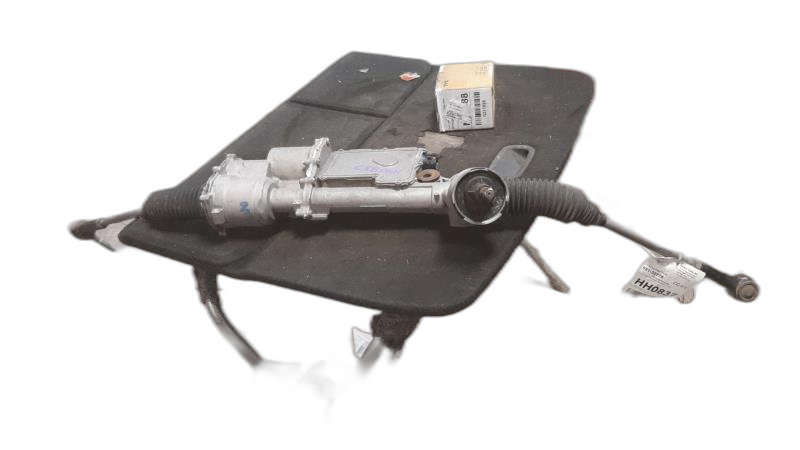
We Have This Part in Stock

The information in this article is provided for general reference and educational purposes only. Vehicle specifications, procedures, and part compatibility can vary by production date, trim level, and region. Always consult your vehicle's factory service manual and verify part numbers before purchasing or performing repairs. Safety-critical components such as airbags, seat belts, and braking systems should be installed by a qualified professional.
- Dodge Sprinter 2500:
- Dodge Sprinter 3500:
- 🛍️ Shop This Part
- Symptoms of a Failing Steering Gear Rack
- Power Steering Fluid Leaks
- Noises When Turning
- Changes in Steering Feel
- Known Issues, TSBs, and Recalls
- Buying a Used Steering Gear Rack: What to Look For
- Physical Inspection
- Compatibility Verification
- Mileage and Wear
- Replacement Considerations
- Related Parts to Replace
- Important Procedures
- Cost Comparison
- Frequently Asked Questions (FAQ)
- 🎟️ Get 5% Off