

2001-2002 Acura MDX Steering Rack: Diagnosing Leaks, Noises, and Replacement
A deep dive into the common failure points of the first-generation MDX hydraulic steering rack and how to choose a reliable replacement.
- The most common failure is fluid leakage from the end seals, identifiable by oily or swollen rubber boots on the rack.
- You MUST use genuine Honda/Acura Power Steering Fluid or a compatible full-synthetic equivalent; using the wrong fluid will damage seals.
- Replacement is a major job requiring the front subframe to be lowered and is not recommended for beginners.
- A front-end alignment is mandatory immediately after replacing the steering rack to prevent tire damage and handling issues.
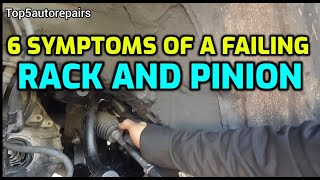
Symptoms of a Failing Steering Rack

A failing steering rack on a 2001-2002 Acura MDX will typically give you several warning signs. Because this is a hydraulic system, many symptoms are related to fluid leaks and the loss of hydraulic pressure.
Noises and Vibrations
- Whining or Groaning When Turning: This is a classic sign of a power steering issue. The noise is often loudest when you first start the car or when turning the wheel at low speeds. It's caused by the power steering pump struggling due to low fluid or air in the system, often from a leak in the rack.
- Clunking or Thudding: A clunking noise when turning or going over bumps can indicate worn-out internal gears or loose mounting points of the steering rack. This suggests a mechanical failure within the rack itself.
- Grinding Sounds: A metal-on-metal grinding sound during turns points to a severe lack of lubrication or a major mechanical failure inside the rack. This is a critical symptom that should be addressed immediately.
Steering Feel and Performance
- Heavy or Stiff Steering: If turning the wheel suddenly requires a lot of effort, especially at low speeds, the rack has likely lost its hydraulic assist. This is most often caused by a significant fluid leak.
- Loose or Vague Steering: A feeling of excessive play or a "dead spot" in the steering can mean the internal components of the rack are worn. The vehicle may wander on the highway, requiring constant small corrections.
- Pulling to One Side: While often caused by alignment issues, a faulty steering rack can also cause the vehicle to pull to one side.
Fluid Leaks and Checks
The most common failure for these steering racks is fluid leakage. Knowing what to look for is key.
- Fluid Type: The 2001-2002 MDX requires genuine Honda/Acura Power Steering Fluid (PSF). Using generic power steering fluid or ATF (Automatic Transmission Fluid) can damage seals and cause premature failure. Aftermarket fluids specifically formulated for Honda/Acura are available and are a suitable alternative.
- Checking the Fluid: Locate the power steering fluid reservoir in the engine bay. It has "POWER STEERING FLUID" marked on the cap. Check the level against the MIN and MAX lines. The fluid should be clear and light-colored.
- Bad Fluid Signs: Dark, brown, or black fluid indicates it's old, burnt, and contaminated. Foamy or bubbly fluid means air is getting into the system, almost always from a leak. If you see metallic particles in the fluid, it's a sign of severe internal wear in the pump or rack.
- Spotting a Leak: The most obvious sign is a puddle of reddish or light brown fluid under the front of the vehicle. The rack is located low and behind the engine. Leaks typically occur from the end seals, which are covered by rubber bellows (boots). If these boots are torn or swollen with fluid, the seals inside have failed.
Warning: A significant power steering fluid leak can be a fire hazard if the fluid drips onto a hot exhaust manifold. Address any leaks promptly.
Known Issues, TSBs, and Recalls

While there are no recalls specifically for the steering rack on the 2001-2002 MDX, there are related items and Technical Service Bulletins (TSBs) worth noting.
- TSB #230801 (August 23, 2001): Acura released a TSB regarding power steering noise, indicating that this was a known area of concern early in the vehicle's life.
- TSB #1102 (November 16, 2002): This bulletin addresses power steering belt tension adjustment, which can also be a source of steering-related noises if not set correctly.
- Recall 05V385000 (Front Coil Springs): While not directly related to the steering rack, a major recall was issued for front coil springs that could corrode and break, potentially puncturing a front tire. This underscores the importance of inspecting the entire front suspension and steering system on these vehicles, especially if operated in the Salt Belt.
Buying a Used Steering Gear Rack

For a vehicle of this age, a quality used OEM steering rack is often the most cost-effective and reliable solution. New OEM racks can be prohibitively expensive, and the quality of new aftermarket parts can be inconsistent.
Inspection Checklist
- Check the Bellows (Boots): 🎬 Watch this video to see how to inspect steering rack boots The rubber boots on each end of the rack are the most important inspection point. Squeeze them firmly. They should be dry and flexible. If you feel or hear fluid squishing inside, or if the boots are torn, swollen, or oily, the internal seals have failed. Do not buy the rack.
- Inspect the Input Shaft: Check the splines on the input shaft (where the steering column connects) for any damage or excessive rust. The seal around the shaft should be dry.
- Examine the Hydraulic Lines and Ports: Ensure the threaded ports for the hydraulic lines are clean and not cross-threaded or damaged. Check the metal lines on the rack itself for any signs of deep corrosion, kinks, or damage.
- Look for Physical Damage: Inspect the main housing of the rack for any cracks, dents, or signs of major impact that could indicate it came from a wrecked vehicle.
- Mileage: While there's no exact mileage for failure, racks on vehicles from corrosive environments (the "Salt Belt") tend to fail sooner due to rust compromising the seals and lines. For a used rack, lower mileage is always better, but the physical condition and a dry, leak-free appearance are more important than the number on the odometer.
Pro Tip: When replacing the rack, it is highly recommended to also replace the outer tie rod ends if they are not included with the used rack. Also, flush the entire power steering system, including the pump and cooler, to remove any contaminated old fluid before installing the replacement rack. This prevents debris from the old failure from damaging your new part.
Cost Comparison
Prices can vary significantly based on supplier, location, and brand. The following are estimates to help understand the value of different options.
| Part Type | Estimated Cost |
|---|---|
| New OEM | $1100 - $1700+ |
| New Aftermarket | $660 - $1100 |
| Remanufactured | $350 - $500 + Core Charge |
| Used OEM | $100 - $250 |
| Shop Labor for Replacement | $705 - $1035 |
Replacement Overview

Replacing the steering rack on a 2001-2002 MDX is a significant job that is likely beyond the scope of a beginner DIY mechanic. It requires lowering the front subframe to get the necessary clearance to remove the old rack.
- Difficulty: 4 out of 5
- Estimated Time: 5-7 hours
- Special Procedures: The front subframe must be supported and carefully lowered. After installation, the system must be filled with the correct fluid and bled of all air by turning the steering wheel lock-to-lock several times with the engine running. A front-end alignment is mandatory after replacement to prevent tire wear and ensure proper handling.
Frequently Asked Questions
Can I just use a "stop leak" product for my steering rack?
Stop leak products are a temporary fix at best and can cause more harm than good. They work by swelling the rubber seals, but this can lead to other system blockages and will not fix a seal that is torn or a mechanical failure. It is not a recommended long-term solution.
Do I need to get an alignment after replacing the steering rack?
Yes, absolutely. Replacing the steering rack directly affects the front toe alignment setting. Driving without an alignment will cause rapid and uneven tire wear, poor handling, and a crooked steering wheel.
What is the difference between the steering rack and the power steering pump?
The power steering pump is a separate, belt-driven component that creates the hydraulic pressure. The steering rack is the component that uses that pressure to move the wheels. A whining noise can be caused by either a failing pump or a leak in the rack that is starving the pump of fluid.
Is it okay to use universal power steering fluid in my Acura MDX?
No. You must use fluid that is specifically designated for Honda and Acura vehicles. Using the wrong fluid can damage the seals in the system and lead to leaks and failure of the rack and pump.
Helpful Videos
Technical Specifications
OEM Part Numbers: 53601-S3V-A01 53601-S3V-A02 53010-S3V-A01 53626-S3V-A01 06536-S3V-505RM
System Type: Hydraulic Power Assist Required Fluid: Genuine Honda/Acura Power Steering Fluid (PSF) or equivalent synthetic for Honda/Acura.

The information in this article is provided for general reference and educational purposes only. Vehicle specifications, procedures, and part compatibility can vary by production date, trim level, and region. Always consult your vehicle's factory service manual and verify part numbers before purchasing or performing repairs. Safety-critical components such as airbags, seat belts, and braking systems should be installed by a qualified professional.
- Acura MDX: