

1995-1998 Ford Windstar Steering Rack: Solving Clunks, Leaks, and the 'SPRHH' Tag Mystery
A deep dive into diagnosing, replacing, and buying the correct used steering rack for your first-generation Ford Windstar.
- The most critical step is matching the 'SPRHH' or 'SPRML' identification tag on your original rack to the replacement part.
- During installation, the high-pressure fluid line MUST go into the top port of the rack to avoid immediate seal failure.
- These vans are known for severe subframe corrosion; inspect the frame thoroughly before beginning repairs.
- A full wheel alignment is mandatory after replacing the steering rack to prevent tire damage and ensure safety.
Symptoms of a Failing Steering Rack
A worn or failing steering rack on a 1995-1998 Windstar will give you several distinct warnings. Ignoring them can lead to a complete loss of power assist or, in severe cases, compromised steering control.
- Whining or Grinding Noises: A grinding or whining sound that gets louder when you turn the wheel is a common symptom. This is often caused by a lack of lubrication due to low power steering fluid, or metal-on-metal contact from worn internal gears. A whining noise that changes with engine RPM usually points to the power steering pump, but if it's most noticeable during turns, the rack is a likely suspect.
- Clunking or Knocking Sounds: If you hear a 'clunk' or 'pop' when turning or going over bumps, it can indicate worn rack mounting bushings or excessive play within the rack's internal components. To help isolate the noise, have a helper rock the steering wheel back and forth while you listen near the front wheels. A clunk that corresponds with the change in direction points to a problem with the rack or tie rods.
- Fluid Leaks: The power steering system is a closed hydraulic circuit. If you see reddish or brown fluid dripping under the front of your van, it's likely a power steering leak. The rack can leak from its main seals, which will cause fluid to drip from the rubber boots (bellows) at either end. A quick look at these boots will tell you a lot; if they are wet, swollen, or torn with fluid inside, the internal seals of the rack have failed.
- Loose or Vague Steering: A feeling of excessive 'play' or looseness in the steering wheel is a classic sign of a worn rack. You might notice a 'dead spot' where turning the wheel doesn't immediately translate to the wheels turning. This can also cause the vehicle to wander or pull to one side, requiring constant small corrections to drive straight.
- Stiff or Uneven Steering: If the wheel becomes difficult to turn, especially at low speeds, it indicates a loss of power assist. This can be caused by a fluid leak or an internal failure in the rack's valve body. The steering might feel heavy in both directions or be noticeably harder to turn one way than the other.
Known Issues, Recalls, and Technical Service Bulletins (TSBs)
While there are no specific recalls for the steering rack on the 1995-1998 Windstar, several major safety issues and service bulletins are critical for any owner or mechanic to be aware of when working on the front end of these vans.
Major Corrosion Recalls
First-generation Windstars operated in salt-belt states were subject to massive recalls for severe corrosion. While some recalls targeted later models, the issue is prevalent across the platform.
- Front Subframe Corrosion: An investigation was launched by the National Highway Traffic Safety Administration (NHTSA) for front subframe corrosion, which could cause the engine and transaxle to drop, or a control arm to separate, leading to a loss of steering. While your vehicle may have been repaired, any used Windstar should have its front subframe inspected for severe rust, especially around the control arm mounting points.
- Rear Axle Corrosion: These vans were also recalled for rear axles that could fracture due to corrosion, potentially leading to a loss of vehicle control.
Warning: Before purchasing or working on a 1995-1998 Windstar, thoroughly inspect the front subframe for excessive rust or previous repairs. A compromised subframe can make replacing the steering rack unsafe and pointless.
Relevant TSBs
- TSB for Power Steering Noise: Ford issued TSB #17744 for 'Power Steering Noise'. This often manifests as a whine and can be related to the pump or fluid.
- TSB for Water Intrusion: TSB 06-14-10 describes an issue where water can leak from the cowl area onto the Powertrain Control Module (PCM), causing a wide range of engine and transmission problems. If you are experiencing strange electrical issues along with steering problems, it is worth inspecting the PCM and its connector for water damage.
Buying a Used 1995-1998 Windstar Steering Rack
A quality recycled OEM steering rack can be an excellent value, but careful inspection and verification are crucial. Here’s what you need to know before you buy.
The 'SPRHH' and 'SPRML' Tag Mystery
The most critical step in buying a replacement rack for your Windstar is matching the identification tag on your original part. These racks are stamped with a code, most commonly 'SPRHH' or 'SPRML'. The initial data for this article included a warning to verify the 'SPRHH' tag.
While public documentation explaining the exact technical difference between these codes is not available, these markings often denote different steering ratios, internal valving for feel, or variations for different wheel and tire packages. Installing the wrong one could result in an undesirable steering feel or compatibility issues.
Pro Tip: Before ordering a replacement, you MUST physically inspect the metal housing of your original steering rack and find the stamped identification code. Order a used rack with the exact same code to ensure proper fitment and performance. Do not rely on a generic 'fits all' listing.
Physical Inspection Checklist
- Check the Housing: Inspect the aluminum housing for any cracks, heavy corrosion, or damage.
- Input Shaft: The splined input shaft (where the steering column connects) should be straight and the splines should be clean and undamaged.
- Fluid Ports: Check the threads on the high-pressure and return line ports. They should be clean and free of damage to ensure a good seal.
- Boots and Inner Tie Rods: A used rack should come with the inner tie rods and bellows boots. Assume you will replace the outer tie rods. While the boots may be old, ensure the inner tie rods themselves feel tight with no excessive play. Most remanufactured racks include new inner tie rods.
- Mounting Points: Verify the mounting points are intact and not damaged.
Mileage and Wear
Power steering racks on these vehicles can often last well over 100,000 miles, but leaks are common as they age. When buying used, a rack from a lower-mileage vehicle (under 150,000 miles) is preferable, but the physical condition and lack of leaks are more important than mileage alone.
Replacement Overview & Critical Installation Notes
Replacing the steering rack on a Windstar is a significant job but is achievable for an experienced DIY mechanic. The estimated time is around 4-5 hours.
Critical Warning: Pressure Line Installation: The high-pressure and return line ports on the steering rack are the same size. It is possible to install the lines in the wrong ports. The high-pressure line MUST be installed in the top port. Installing it in the bottom port will immediately blow out the internal seals of the new rack upon starting the vehicle.
Key Procedures & Torque Specs
- Subframe: While some manuals suggest lowering the rear of the subframe, many mechanics report successfully replacing the rack without doing so, though it is a tight fit.
- Sway Bar: You will need to unbolt the sway bar mounts and move the bar out of the way to gain access to the rack mounting bolts.
- Steering Lock: Before disconnecting the steering shaft, lock the steering wheel. This prevents the clockspring in the steering column from being damaged, which would disable your horn and airbag.
- Fluid System Flush: It is essential to flush the old power steering fluid from the pump and lines before connecting your new rack. Any debris from the old failing rack can destroy the new one.
- Torque Specifications: Using correct torque is crucial for safety. While specific Windstar specs are elusive, general Ford specs from the era are a reliable guide:
- Steering Gear to Frame Mounting Bolts: 50-67 lb-ft
- Outer Tie Rod End to Steering Knuckle Nut: 56-75 lb-ft
- Inner Tie Rod to Rack (on the flats): 66-81 lb-ft
- Alignment: A full four-wheel alignment is mandatory after replacing the steering rack or any tie rods.
Related Parts
When replacing the steering rack, it is highly recommended to also replace:
- Outer Tie Rod Ends: These are inexpensive and are almost certainly worn if the rack has failed.
- Power Steering Fluid: Use a quality fluid that meets Ford's MERCON or MERCON V specification. Do not reuse old fluid.
- Power Steering Hoses: Inspect the high-pressure and return hoses for cracking, swelling, or leaks. Now is the best time to replace them.
Cost Comparison
Prices can vary, but here is a general breakdown of what to expect when sourcing a steering rack for a 1995-1998 Windstar.
| Part Type | Estimated Cost |
|---|---|
| New OEM | $500+ (If available) |
| Remanufactured Aftermarket | $125 - $250 + Core Charge |
| Used OEM | $75 - $150 |
| Shop Labor for Replacement | $390 - $575 |
Frequently Asked Questions (FAQ)
What type of power steering fluid should I use in my 1995-1998 Windstar?
Your Windstar uses automatic transmission fluid (ATF) in its power steering system. Use a fluid that is specified as MERCON or MERCON V compatible to ensure proper operation and longevity of the seals.
Do I really need an alignment after replacing the steering rack?
Yes, absolutely. Replacing the steering rack and/or tie rods completely changes the vehicle's front-end geometry. Driving without an alignment will cause rapid and uneven tire wear and can make the vehicle handle unpredictably.
What is the difference between the 'SPRHH' and 'SPRML' racks?
There is no publicly available Ford documentation that decodes these tags for the Windstar. However, on Ford vehicles, such codes typically denote differences in steering ratio or internal valving. The most important action is to match the code on your new rack to the one on your old rack to guarantee correct performance.
My rack is just leaking a little. Can I use a 'stop leak' fluid?
While stop-leak products may temporarily slow a minor leak, they are not a permanent solution. These additives work by swelling the seals, which can sometimes have unintended consequences on other parts of the hydraulic system. The correct repair for a leaking rack is always replacement.
Technical Specifications
OEM Part Numbers: F58Z-3L547-AA F58Z3L547A F58Z3L547AA F68Z3504ABRM F68Z3504ACRM F78Z-3L547-AA F78Z3L547AA F88Z3L547AA SPRHH SPRML
Fluid Type: MERCON / MERCON V ATF Pressure Port Thread: M16-1.50 Return Port Thread: M16-1.50 Steering Gear to Frame Torque: 50-67 lb-ft Outer Tie Rod Nut Torque: 56-75 lb-ft
We Have This Part in Stock
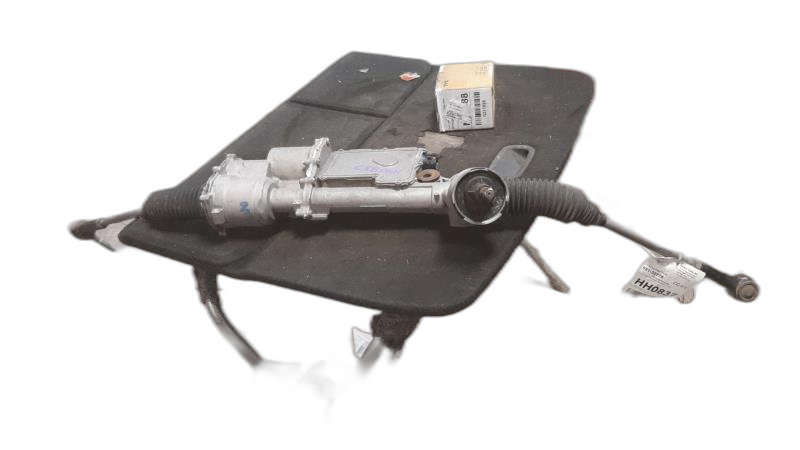


The information in this article is provided for general reference and educational purposes only. Vehicle specifications, procedures, and part compatibility can vary by production date, trim level, and region. Always consult your vehicle's factory service manual and verify part numbers before purchasing or performing repairs. Safety-critical components such as airbags, seat belts, and braking systems should be installed by a qualified professional.
- Ford Windstar:
- 🛍️ Shop This Part
- Symptoms of a Failing Steering Rack
- Known Issues, Recalls, and Technical Service Bulletins (TSBs)
- Major Corrosion Recalls
- Relevant TSBs
- Buying a Used 1995-1998 Windstar Steering Rack
- The 'SPRHH' and 'SPRML' Tag Mystery
- Physical Inspection Checklist
- Mileage and Wear
- Replacement Overview & Critical Installation Notes
- Key Procedures & Torque Specs
- Related Parts
- Cost Comparison
- Frequently Asked Questions (FAQ)
- 🎟️ Get 5% Off