

1997-2001 Cadillac Catera Steering Rack: Decoding Clunks, Leaks, and Replacement
This guide covers common failure symptoms, replacement costs, and how to buy a quality used steering rack for your 1997-2001 Cadillac Catera.
- Failure often manifests as fluid leaks, clunking noises when turning, and a loose or wandering steering feel.
- This is not a DIY-friendly job for most people, as replacement often requires lowering the front subframe.
- A professional wheel alignment is mandatory after replacing the steering rack to ensure safety and prevent tire damage.
- Due to high cost and rarity of new parts, a quality used or remanufactured OEM rack is the most practical and cost-effective solution.
Symptoms of a Failing Steering Rack
A problem with the steering rack on a Cadillac Catera can show up in several ways, from strange noises to a change in how the steering feels. Some symptoms are subtle at first, while others are immediate and serious.
Noises: Clunking, Whining, and Grinding
Unusual noises are often the first sign of a problem. Listen carefully for these specific sounds:
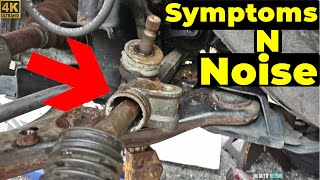
🎬 Watch: Hear what a failing rack and pinion sounds like- Clunking or Knocking: A clunking sound when you turn the steering wheel, especially at low speeds or when parking, often points to worn-out gears inside the rack or worn mounting bushings that allow the entire rack to shift. Some owners have also reported a "crunching" sound when turning the wheel.
- Whining or Groaning: A whining noise that gets louder when you turn the wheel is a classic symptom of a power steering system that is low on fluid or has air in it. This is often caused by a leak in the rack or its connecting hoses. The power steering pump is struggling, and ignoring this sound can lead to pump failure.
- Grinding: A metallic grinding noise suggests metal-on-metal contact, which could mean the internal gears of the rack are severely worn or have been damaged from a lack of lubrication.
Steering Feel and Response
How the steering wheel feels in your hands is a direct indicator of the rack's health.
- Stiff Steering or Increased Effort: If turning the wheel suddenly requires a lot of muscle, especially at low speeds, it's a sign that you've lost power steering assist. This is most commonly caused by a significant fluid leak from the rack's seals.
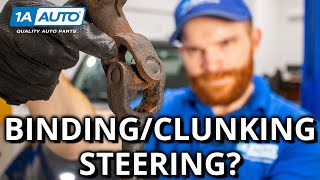
- Loose Steering or "Wandering": This is a common complaint for the Catera. You may feel excessive play in the steering wheel, or the car might seem to drift or wander on the road, requiring constant small corrections to keep it straight. 🎬 Learn how to diagnose clunky steering shaft joints This indicates worn internal components in the rack or worn tie rods.
- Steering Wheel Doesn't Return to Center: After making a turn, the steering wheel should naturally start to return to its center position. If it sticks in the turned position, it can indicate a binding problem within the rack's gearing.
- Steering Wheel Locks Up: In severe cases, owners have reported the steering wheel locking up, making the car impossible to steer. This is a critical safety failure that requires immediate attention.
Fluid Leaks
Your Catera uses a hydraulic power steering system, and leaks are a common failure point.
- Visible Puddles: The most obvious sign is a puddle of reddish-brown or pink fluid under the front of your car. Power steering fluid has a distinct color that helps differentiate it from motor oil or coolant.
- Low Fluid Level: You should check your power steering fluid reservoir about once a month. If you find the level is consistently low and you have to add fluid often, you have a leak somewhere in the system. The rack itself, with its internal seals, is a very common source.
- Wet or Grimy Rack: Look at the steering rack assembly itself. The rubber bellows (boots) on each end should be dry. If they are wet, oily, or swollen, it's a sure sign that the internal seals have failed and are leaking fluid into the boots.
Warning: A sudden loss of power steering assist can make the vehicle very difficult to control, especially at low speeds or in an emergency maneuver, increasing the risk of a crash. 🎬 See this breakdown of 7 common steering rack symptoms Do not ignore symptoms of a failing steering rack.
Known Issues, Recalls, and Technical Service Bulletins (TSBs)
As of early 2026, there are no active recalls or specific Technical Service Bulletins (TSBs) from General Motors for the steering rack on the 1997-2001 Cadillac Catera. However, owner complaint databases show a pattern of steering-related issues, including wandering, a crunching sound when turning, and in some severe cases, the steering wheel locking up. General Motors has issued TSBs for other vehicles of a similar era for power steering noise and leaks in extreme cold temperatures, which could be relevant if you live in a cold climate.
Buying a Used 1997-2001 Catera Steering Rack
Given the age of the Catera, finding a brand-new OEM steering rack is nearly impossible, and if found, would be extremely expensive. The market is dominated by used OEM and remanufactured units, which are excellent, cost-effective alternatives.
Why a Used OEM Rack is Often the Best Choice
A used Original Equipment Manufacturer (OEM) rack that came from another Catera was built to GM's exact specifications for fit, materials, and performance. Unlike some new aftermarket parts that can have variations in quality, a good-condition used OEM rack offers a predictable and reliable repair. It avoids the potential for poor-quality seals or incorrect gear tolerances that can plague cheap aftermarket options.
What to Inspect on a Used Rack
When buying a used steering rack, a careful physical inspection is key:
- Check the Bellows (Boots): Squeeze the rubber boots on both ends of the rack. They should be dry, flexible, and free of cracks or tears. If you feel or see any oily residue, it means the internal seals are leaking. Pass on that rack.
- Inspect the Gear Housing: Look for any cracks, heavy corrosion, or signs of impact on the main aluminum housing of the rack.
- Examine the Hydraulic Lines and Ports: Ensure the threaded ports for the hydraulic lines are clean and not cross-threaded or damaged. Check the attached metal lines for any deep rust, kinks, or cracks.
- Test the Inner Tie Rods: The inner tie rods connect to the ends of the rack, inside the bellows. While you can't see them, you can feel them. Try to push and pull the tie rod end in and out of the rack. There should be no free play or clunking. It should move smoothly from side to side.
- Mileage Consideration: Steering racks don't have a set lifespan, but lower mileage is generally better. A rack from a vehicle with under 150,000 miles is preferable. However, condition is more important than mileage alone; a well-maintained, leak-free rack from a higher-mileage car is better than a leaky one from a low-mileage car.
Pro Tip: When you replace the steering rack, it is the perfect time to also replace the outer tie rod ends. They have to be disconnected anyway, and replacing them ensures your entire steering linkage is fresh. Also, plan on flushing the power steering system and using the correct new fluid to protect your replacement rack.
Cost of Replacement
The cost to replace a steering rack on a 1997-2001 Cadillac Catera can vary significantly based on the parts you choose and who performs the labor. The job is labor-intensive, often requiring the front subframe to be lowered for access.
| Part/Service | Estimated Cost |
|---|---|
| New OEM Part | $2000+ (if available) |
| Remanufactured Part | $250 - $500 |
| Used OEM Part | $150 - $300 |
| Shop Labor | $700 - $1,100 |
| Wheel Alignment (Required) | $100 - $150 |
| Total Estimated Cost (with Used/Reman Part) | $950 - $1,750 |
Rebuild vs. Replace
While seal kits for steering racks are available, rebuilding a rack is not recommended for most DIY mechanics or even many professional shops. The process requires expensive specialty tools to install the internal seals without damaging them. Given the high pressures in the system (up to 1,400 PSI), an improperly installed seal will fail, leading to leaks. Considering the affordable cost of quality remanufactured and used OEM units, replacing the entire assembly is the more reliable and time-effective solution.
Installation Tips
- Safety First: This is a major repair. Use heavy-duty jack stands on a level surface. Never work under a vehicle supported only by a jack.
- Subframe Access: Be prepared to lower the front subframe to get the old rack out and the new one in. This involves supporting the engine and carefully loosening the subframe bolts.
- Measure Your Tie Rods: Before removing the outer tie rod ends from your old rack, measure the distance from the center of the tie rod end to the jam nut. Set the new tie rods to this same length to get the alignment close enough to drive safely to an alignment shop.
- Flush the System: Before connecting the lines to the new rack, flush the power steering pump and hoses with fresh fluid to remove any metal particles or debris from the old failing rack.
- Bleed the System: After installation, you must properly bleed all air from the power steering system. With the front wheels off the ground, slowly turn the steering wheel from lock to lock several times with the engine off, then repeat with the engine on, while keeping the reservoir topped up.
- Get a Professional Alignment: This step is not optional. Your vehicle's wheel alignment must be professionally set after replacing the steering rack to ensure it drives straight, handles safely, and doesn't cause premature tire wear.
Frequently Asked Questions (FAQ)
Can I drive with a leaking steering rack?
You can, but it's not recommended for long. A small leak will eventually get worse, and running the power steering pump dry will destroy it, adding another expensive part to the repair bill. A sudden, large leak will cause an immediate loss of power assist, making the car very difficult to steer.
What kind of power steering fluid does the Cadillac Catera use?
The Catera generally uses a standard power steering fluid or an ATF-type fluid. However, it is critical to check your owner's manual or a reliable parts source for the exact specification. Using the wrong fluid can damage seals. Some GM vehicles of this era had issues in cold climates that were resolved by using a specific synthetic fluid like Pentosin CHF202, as noted in a TSB for other models.
Is replacing a Catera steering rack a DIY job?
For most people, no. The need to lower the engine subframe makes this a difficult and potentially dangerous job for a home mechanic. It requires proper tools, heavy-duty support stands, and significant mechanical experience. The difficulty is high (4 out of 5).
Do I need to replace the tie rods with the steering rack?
It is highly recommended. The outer tie rod ends must be removed to replace the rack, and they are a common wear item. Replacing them at the same time saves on future labor costs and ensures your steering system is completely refreshed.
Helpful Videos
Technical Specifications
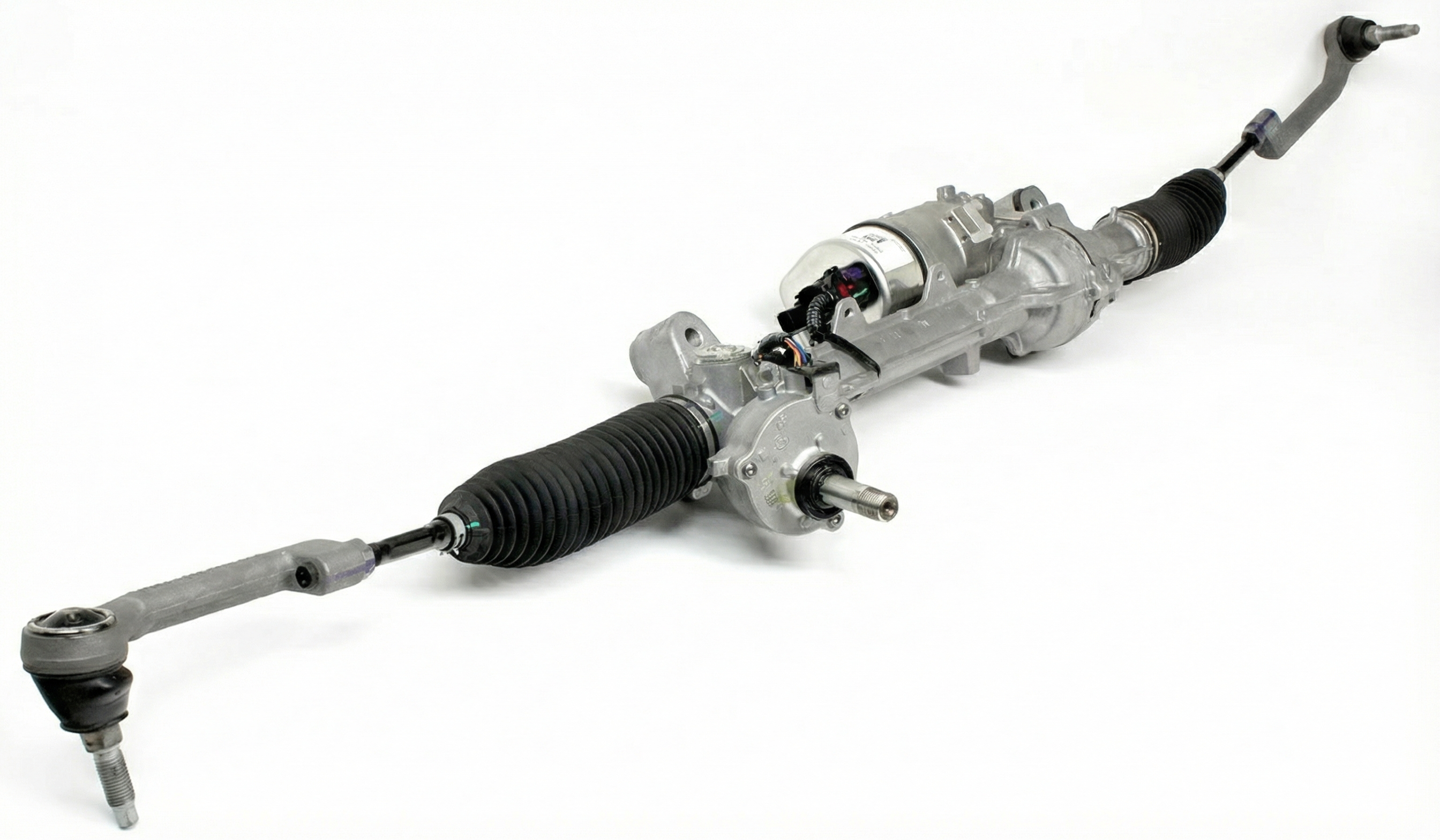
OEM Part Numbers: 09227771 90538728 9227771
Hydraulic Rack and Pinion
We Have This Part in Stock

The information in this article is provided for general reference and educational purposes only. Vehicle specifications, procedures, and part compatibility can vary by production date, trim level, and region. Always consult your vehicle's factory service manual and verify part numbers before purchasing or performing repairs. Safety-critical components such as airbags, seat belts, and braking systems should be installed by a qualified professional.
- Cadillac Catera:
- 🎬 Helpful Videos
- 🛍️ Shop This Part
- Symptoms of a Failing Steering Rack
- Noises: Clunking, Whining, and Grinding
- Steering Feel and Response
- Fluid Leaks
- Known Issues, Recalls, and Technical Service Bulletins (TSBs)
- Buying a Used 1997-2001 Catera Steering Rack
- Why a Used OEM Rack is Often the Best Choice
- What to Inspect on a Used Rack
- Cost of Replacement
- Rebuild vs. Replace
- Installation Tips
- Frequently Asked Questions (FAQ)
- 🎟️ Get 5% Off