

Lexus GX460 KDSS Accumulator Failure: The Lean, The Light, and The Fix (2010-2023)
Diagnosing and replacing the notorious KDSS accumulators on your 2010-2023 Lexus GX460 to fix warning lights, a harsh ride, and the infamous "KDSS lean."
- The most common failure is the KDSS accumulator, not a 'steering damper', due to corrosion under its protective shield.
- Symptoms include a KDSS warning light, a harsh ride, and a noticeable lean to one side.
- Replacement is extremely expensive at a dealer ($4k+), but using a quality used part can save thousands.
- The repair is difficult for DIYers because it requires a special high-pressure pump and a complex bleeding procedure.
Understanding KDSS Failure on the 2010-2023 Lexus GX460

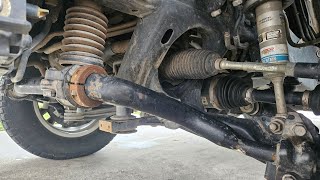
If you own a Lexus GX460 equipped with the optional Kinetic Dynamic Suspension System (KDSS), you might eventually encounter a warning light on your dashboard, a noticeable lean to one side, or a significantly harsher ride. These are classic signs of a problem within the KDSS, and the most common culprit is a failed KDSS accumulator assembly. This component is located on the driver's side frame rail, protected by a small metal cover.
Compatibility Warning: This information and these parts are ONLY for 2010-2023 Lexus GX460 models equipped with the Kinetic Dynamic Suspension System (KDSS). They will not fit models with the standard suspension. The KDSS system is complex, and incorrect parts or procedures can lead to further damage.
Symptoms of a Failing KDSS Accumulator


A failing KDSS accumulator can manifest in several ways. Often, the issues start subtly and worsen over time.
- KDSS Warning Light: The most obvious sign is a flashing or solid "KDSS" light on the instrument cluster. This light indicates the system's computer has detected a fault, often related to low pressure from a leak or internal failure.
- Vehicle Leaning (The "KDSS Lean"): The vehicle may visibly lean to one side, typically the passenger side, when parked on a level surface. This is a well-documented issue, and Lexus has even issued Technical Service Bulletins (TSBs) to address it under certain conditions. 🎬 Watch: A breakdown of the official Lexus TSB for vehicle lean.
- Harsh or Bouncy Ride: When the accumulators fail, they can no longer properly buffer the hydraulic pressure. This effectively locks the stabilizer bars, leading to a stiff, jarring, and uncomfortable ride, as the suspension cannot move as intended.
- Fluid Leaks: The accumulator assembly is a common source of leaks. A major cause of failure is corrosion, which happens when dirt, salt, and moisture get trapped under the protective cover and eat away at the accumulator's metal body. You may find hydraulic fluid (Toyota AHC Fluid) dripping from this area.
- Clunking or Knocking Noises: In some cases, a failing KDSS system can produce knocking sounds from the hydraulic cylinders, especially during suspension movement.
Known Issues, TSBs, and Recalls

There are no specific recalls for the KDSS accumulator itself, but its common failure points are well-documented in owner forums and by Lexus.
- Corrosion Failure: The primary known issue is corrosion of the accumulator body. The design of the protective shield can trap debris and moisture, leading to severe rust that eventually causes the unit to leak and lose pressure. This is especially common in regions that use road salt in the winter.
- TSB L-SB-0015-21 Rev1: Lexus issued this Technical Service Bulletin for 2010-2023 GX460 models that exhibit a lean of more than 20mm from left to right. The official fix under this TSB, if the vehicle qualifies, is to replace the front left coil spring, not the KDSS components directly. This is done to level the vehicle's static ride height, though it may not address an underlying hydraulic issue.
Pro Tip: To prevent premature failure, periodically remove the two 12mm bolts holding the accumulator's protective cover, clean out any trapped dirt and debris, and inspect the accumulator and lines for corrosion. Applying a rust-inhibiting spray like Fluid Film or Woolwax to the clean, dry assembly can significantly extend its life.
Buying a Used KDSS Accumulator
Due to the extremely high cost of a new OEM accumulator, a quality used part is an excellent value. However, careful inspection is critical.
- Physical Inspection: The most important check is for leaks and corrosion. The unit should be dry with no oily residue. Pay close attention to the seams of the accumulator spheres and the area where the hydraulic lines connect. Reject any part with significant rust, flaking metal, or visible fluid stains.
- Check the Fittings: Inspect the threaded ports for the hydraulic lines. Ensure the threads are clean and not stripped or cross-threaded. The flare nut fittings on the lines are prone to rusting and seizing, so a clean set of ports on the used accumulator is crucial.
- Verify Part Numbers: Ensure the part number on the used unit matches the required part for your vehicle. The primary assembly part number is often found on the block that the spheres are attached to.
- Why Used OEM is the Best Choice: New OEM accumulators can cost thousands of dollars. There are no reputable aftermarket or remanufactured options available for this complex hydraulic component. A visually inspected, clean, and corrosion-free used OEM accumulator from a low-salt region offers the same performance as new at a fraction of the price.
| Part Type | Estimated Cost |
|---|---|
| New OEM | $1,500 - $2,500+ |
| New Aftermarket | Not Available |
| Used OEM | $150 - $500 |
| Shop Labor (Replacement) | $400 - $800 |
| Shop Labor (Bleeding/Pressurizing Only) | $500 - $850 |
Replacement Overview & Difficulty
Replacing the KDSS accumulator is a job for advanced DIY mechanics or a professional shop familiar with this specific system. The difficulty is high due to the high-pressure hydraulic bleeding procedure.
- Difficulty Rating: 4 out of 5
- Key Steps: The basic process involves depressurizing the system by opening specific valves, carefully disconnecting the hydraulic lines (often requiring flare nut wrenches), unbolting the old accumulator assembly from the frame, and installing the new one.
- The Bleeding Procedure: The most difficult part is refilling and bleeding the system. This is NOT like bleeding brakes. It requires a specific, multi-step procedure of opening and closing valves in sequence while using a special high-pressure pump to charge the system to over 400 PSI. Failure to follow the procedure correctly can result in a persistent lean, a harsh ride, or damage to the components. Many DIYers replace the part themselves and then pay a dealer or specialist shop to perform the final bleed.
Warning: The KDSS is a high-pressure hydraulic system. Improperly releasing pressure can cause injury or damage. The bleeding and charging procedure is complex and requires special tools and knowledge. Attempt this repair only if you are confident in your advanced mechanical abilities.
Frequently Asked Questions (FAQ)
Can I just ignore the KDSS light and the lean?
It is not recommended. The warning light indicates a system malfunction, which compromises both ride comfort and handling performance. The vehicle will have a very stiff ride and may exhibit excessive body roll in turns. It is a safety and performance system that should be kept in working order.
The dealer quoted me thousands to fix my KDSS. What are my options?
Dealer quotes are often very high because their standard procedure is to replace the entire system, which can be over $7,000. Often, only the corroded accumulator is the problem. You can save a significant amount of money by purchasing a quality used accumulator and having an independent shop that is familiar with KDSS perform the installation and bleeding, or by tackling the replacement yourself and paying for the bleed service.
Can I remove or delete the KDSS system?
Yes, some owners, particularly those who heavily modify their vehicles for off-roading, choose to remove the KDSS system and replace it with conventional sway bars from a non-KDSS model. However, this is a complex modification that will negatively impact the vehicle's on-road handling characteristics, which is one of the GX460's strengths.
🎬 Watch: Why some owners choose a KDSS delete for off-roading.What fluid does the KDSS system use?
The system uses a specific fluid, Toyota Automatic Height Control (AHC) Suspension Fluid. Do not substitute with any other type of hydraulic oil or brake fluid, as this can damage the seals and components.
Helpful Videos

Technical Specifications
OEM Part Numbers: 48885-60030 48886-60010 48886-60032 48886-60011
System uses Toyota Automatic Height Control (AHC) Suspension Fluid. Operating pressure is over 400 PSI.
We Have This Part in Stock


The information in this article is provided for general reference and educational purposes only. Vehicle specifications, procedures, and part compatibility can vary by production date, trim level, and region. Always consult your vehicle's factory service manual and verify part numbers before purchasing or performing repairs. Safety-critical components such as airbags, seat belts, and braking systems should be installed by a qualified professional.
- Lexus GX460: