

2017-2020 Acura MDX Active Damper (ADS) Failure: Warning Lights, Leaks & Costs
This guide covers the common failure symptoms, replacement costs, and buying advice for the electronic Active Damper System (ADS) struts and shocks on select 2017-2020 Acura MDX models.
- These electronic dampers are ONLY on 2017-2020 MDX Sport Hybrid and 2019-2020 Advance models; they will not fit other trims.
- Failure is indicated by an ADS warning light, fluid leaks, and a poor ride quality.
- Replacement is very expensive, with new OEM parts costing $500-$1000 per corner. Used OEM parts are a viable alternative.
- Many owners opt for a cheaper, more reliable passive suspension conversion kit, but this eliminates the adjustable ride feature.
Compatibility Warning: Does Your MDX Have Active Dampers?

Critical Information: This guide applies ONLY to 2017-2020 Acura MDX models equipped with the electronic Active Damper System (ADS). These dampers have an electrical connector on them. Standard, non-electronic shocks will not work on an ADS-equipped vehicle without a special conversion kit, and these electronic shocks will not fit a vehicle with standard suspension.
According to owner forums and model specifications, the ADS was available on the following third-generation MDX trims:
- 2017-2020 MDX Sport Hybrid (Tech and Advance Packages)
- 2019-2020 MDX SH-AWD with Advance Package
Most 2014-2020 MDX models, including all 2014-2016 trims, use conventional non-electronic shocks called 'amplitude reactive dampers' and do not have the issues described here. Always verify which suspension your vehicle has before purchasing parts.
Symptoms of a Failing Active Damper

When an ADS damper or a related sensor fails, you will likely notice several distinct symptoms. The system is designed to revert to a passive, fixed-stiffness mode when a fault is detected.
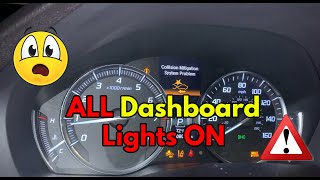
- "Check Active Damper System (ADS)" Warning Light: This is the most obvious sign of a problem. A message will appear on the instrument panel, indicating the system has detected a fault and is disabled.
- Bouncy or Harsh Ride: With the system disabled, the dampers default to a fixed setting. This can make the ride feel unusually bouncy, harsh, or uncontrolled compared to normal. You may notice the vehicle feels like it's 'floating' on the highway or crashing hard over bumps.
- Visible Fluid Leaks: The dampers are filled with hydraulic fluid. Like any shock absorber, the seals can fail over time, leading to fluid leaking down the side of the strut or shock body. A wet, oily appearance on the damper is a clear sign of failure.
- Clunking or Banging Noises: Worn internal components or failed mounting bushings can cause audible clunking, knocking, or banging sounds as the suspension moves over bumps.
- Nose-Diving and Body Roll: You may notice excessive vehicle motion, such as the front end diving more than usual during braking or the body leaning (rolling) heavily in corners.
Buying a Used Active Damper: What to Check

Because new OEM ADS dampers are extremely expensive and aftermarket electronic replacements are generally not available, a quality used OEM damper is a popular and cost-effective repair solution. However, since this is a sensitive electronic and hydraulic part, careful inspection is crucial.
Physical Inspection Checklist:
- Check for Leaks: This is the most important check. Thoroughly inspect the entire damper body. It should be dry and clean. Any sign of oily residue or active fluid leakage means the damper has failed and is unusable.
- Inspect the Electrical Connector: Examine the electrical connector and the wiring pigtail. Look for any signs of corrosion (green or white powder), bent pins, or physical damage to the plastic housing. Corrosion is a known issue, especially in regions that use road salt. A damaged connector will render the damper useless.
- Examine the Body and Mounts: Check the damper's main body for dents, deep scrapes, or bends that could indicate it was damaged in a collision. Inspect the rubber mounting bushings for cracking, tearing, or being completely pushed out, which would cause noise.
- Verify Part Numbers: Match the part number on the used damper to your original part or an OEM catalog. Front, rear, left, and right dampers often have different part numbers. Installing the wrong part can cause system faults.
Pro Tip: When buying used, prioritize dampers from lower-mileage vehicles from dry, salt-free climates. Mileage is a key indicator of remaining lifespan, and the absence of salt reduces the risk of connector corrosion.
Known Issues, TSBs, and Recalls
While there are no specific recalls for the ADS dampers on the 2017-2020 MDX, the high failure rate and replacement cost are widely discussed among owners. The most significant known issue is the eventual failure of the dampers, which can occur anywhere from 30,000 to over 100,000 miles. Some owners have faced issues with corrosion on the electrical connectors, a problem that prompted a product update for earlier generation MDX models with a similar system.
Other recalls for the 2014-2020 MDX platform address unrelated issues like connecting rod bearings, tailgate light wiring, and propeller shaft bolts, but not the suspension dampers themselves.
Cost of Replacement: OEM vs. Used vs. Conversion
Replacing ADS dampers is significantly more expensive than standard suspension. Here is a breakdown of typical costs:
| Part Type | Estimated Cost (Per Corner) | Notes |
|---|---|---|
| New OEM | $500 - $1,000+ | The most expensive option, sourced from an Acura dealer. Prices can be very high for these electronic units. |
| Used OEM | $150 - $400 | A cost-effective option. Price depends on mileage, condition, and seller. |
| New Aftermarket (Passive Conversion) | $250 - $500 | This is for a non-electronic 'quick strut' or shock. Requires a full conversion kit to avoid warning lights. |
| Shop Labor (Per Corner) | $150 - $300 | Labor costs can vary. Replacing a front strut is typically more labor-intensive than a rear shock. |
The Passive Conversion Option
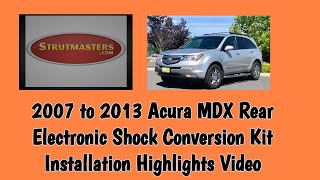
Due to the high cost of OEM ADS dampers, many owners choose to replace the entire system with a 'passive' or 'conventional' suspension conversion kit. These kits, sold by companies like Arnott and Suncore, replace the electronic struts and shocks with high-quality standard ones and include a module to bypass the ADS computer, preventing a warning light on the dash.
🎬 Watch this video for highlights on installing a conversion kit.- Pros: Much lower cost, improved long-term reliability, and readily available parts.
- Cons: Loss of the adjustable ride quality. The vehicle's handling will be fixed and will no longer adapt between Comfort and Sport modes.
DIY Replacement Guide

Replacing the ADS dampers is a feasible DIY project for someone with significant mechanical experience and the right tools. The front struts are more complex than the rear shocks.
- Difficulty: 3/5 (Rear Shocks), 4/5 (Front Struts)
- Estimated Time: 1-2 hours per rear shock, 2-3 hours per front strut.
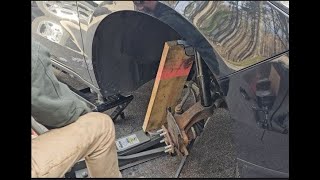
- Key Steps (Front Strut): 🎬 Watch this DIY guide for a faster front strut replacement. The process involves lifting the vehicle, removing the wheel, disconnecting the sway bar link and ABS sensor wires from the strut, removing the large bolts connecting the strut to the steering knuckle, and then removing the nuts at the top of the strut tower. If you are not using a pre-assembled 'quick strut', you must use a spring compressor to safely transfer the coil spring to the new strut. This step is dangerous if done incorrectly.
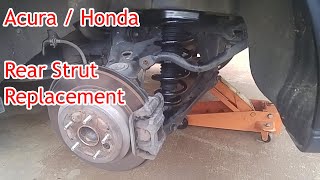
- Key Steps (Rear Shock): 🎬 See how to replace the rear shocks in this walkthrough. The rear is simpler. After lifting and removing the wheel, support the lower control arm with a jack, then remove the upper and lower shock bolts and swap the shock.
- Alignment: A four-wheel alignment is required after replacing front struts to prevent uneven tire wear and handling problems.
Frequently Asked Questions (FAQ)
Can I drive with a failed Active Damper?
Yes, but with caution. When the ADS system fails, it defaults to a safe, passive mode, so the vehicle remains drivable. However, handling characteristics will be compromised, with increased body roll and bounce, and braking distances may be longer. It is recommended to have it repaired to restore proper safety and performance.
Do I have to replace ADS dampers in pairs?
It is highly recommended. Shocks and struts wear out over time. Replacing only one can lead to an unbalanced ride and unpredictable handling, as the new damper will be much stiffer than the old one on the other side. For best results, always replace them in pairs (both fronts or both rears).
Why can't I find aftermarket electronic ADS dampers?
The technology in these electronic dampers is complex and often proprietary to the vehicle manufacturer and their OEM supplier. The research and development cost is too high for most aftermarket companies to produce a direct electronic replacement for the relatively small number of vehicles equipped with the system. This is why passive conversion kits are the most common aftermarket solution.
Will replacing the dampers turn off the ADS warning light?
If you replace a failed electronic damper with a functional one (new or used OEM), the light should go off once the system self-tests. If you install a passive conversion kit, you must use the included electronic module to trick the computer into thinking the system is still functional; otherwise, the warning light will stay on permanently.
Helpful Videos
Technical Specifications
OEM Part Numbers: 51610-TZ5-A13 51620-TZ5-A13 52610-TZ5-A13 51611-TZ6-A01 51610-TZ6-A110-M1
Electronically controlled hydraulic damper integrated with the Vehicle Stability Assist (VSA) and Integrated Dynamics System (IDS). Adjusts damping every 0.002 seconds.

The information in this article is provided for general reference and educational purposes only. Vehicle specifications, procedures, and part compatibility can vary by production date, trim level, and region. Always consult your vehicle's factory service manual and verify part numbers before purchasing or performing repairs. Safety-critical components such as airbags, seat belts, and braking systems should be installed by a qualified professional.
- Acura MDX:
- 🎬 Helpful Videos
- Compatibility Warning: Does Your MDX Have Active Dampers?
- Symptoms of a Failing Active Damper
- Buying a Used Active Damper: What to Check
- Physical Inspection Checklist:
- Known Issues, TSBs, and Recalls
- Cost of Replacement: OEM vs. Used vs. Conversion
- The Passive Conversion Option
- DIY Replacement Guide
- Frequently Asked Questions (FAQ)
- 🎟️ Get 5% Off