

2000-2005 Toyota Echo Steering Column: Fixing Looseness, Noises, and Tilt Problems
This guide covers the common failure symptoms, replacement costs, and critical compatibility checks for the 2000-2005 Toyota Echo steering column.
- The most critical step before buying is to verify if your Echo has the tilt-steering option; columns with and without tilt are not interchangeable.
- A clunking noise or looseness in the steering is the most common failure, usually pointing to a worn intermediate shaft U-joint.
- When inspecting a used column, physically check the U-joint for play and ensure the tilt mechanism operates and locks correctly.
- Replacement is a moderately difficult DIY job due to the need to safely handle and remove the driver's airbag.
Symptoms of a Failing Steering Column
Failures in the 2000-2005 Toyota Echo steering column are almost always mechanical, related to wear and tear. The symptoms are often noticeable and directly affect the feel of the steering.
1. Clunking, Popping, or Knocking Noises
This is the most common symptom. You may hear or feel a distinct "clunk" or "pop" from the lower steering column area when you turn the steering wheel, especially at low speeds or when reversing direction. This noise is often caused by a worn-out universal joint (U-joint) on the intermediate steering shaft, where the bearings have developed excessive play.
2. Looseness or "Play" in the Steering Wheel
You might notice a "dead spot" when you turn the wheel, where a small amount of movement doesn't translate to any change in the vehicle's direction. This looseness can make the car feel like it's wandering on the highway, requiring constant small corrections to stay straight. This is also a classic sign of a worn intermediate shaft U-joint or worn splines within the collapsible shaft.
3. Stiff, Notchy, or Binding Steering
Less common than looseness, the steering can sometimes feel like it's catching or binding as you turn. This can happen if a U-joint bearing rusts or seizes, preventing smooth rotation. The steering may feel tight, then loose, then tight again as you turn the wheel. In severe cases, the steering wheel may not return to the center on its own after a turn.
4. Tilt Mechanism Failure
The manual tilt adjustment lever may fail to lock the column in place, causing the steering wheel to drop to its lowest position and not stay secured. This is a serious safety issue as it makes controlling the vehicle difficult. Conversely, the mechanism could become stuck in one position and refuse to adjust.
Pro Tip: Before condemning the steering column for clunking noises, check the sway bar links and bushings. On the Echo, loose sway bar links can create a similar clunking sound when going over bumps or turning.
Known Issues, TSBs, and Recalls
As of mid-2026, there are no specific recalls or Technical Service Bulletins (TSBs) from Toyota or the NHTSA that directly address steering column or intermediate shaft failures for the 2000-2005 Toyota Echo in the North American market. While other Toyota models have had TSBs for steering column noises, the Echo is not included. The most significant recalls for this vehicle generation involve the Takata airbags, which are housed in the steering wheel but are a separate issue from the column's mechanical function.
Buying a Used 2000-2005 Echo Steering Column
A used OEM steering column is often the most cost-effective solution, as complete aftermarket assemblies are not widely available. Given the mechanical simplicity of this part, a good used unit can last the remaining life of the vehicle. Here’s what to look for.
1. Critical: Verify Tilt vs. Non-Tilt
The single most important compatibility check is whether your car has the tilt steering option. The steering columns for tilt and non-tilt models are not interchangeable. The easiest way to check your vehicle is to look for the adjustment lever on the left side of the steering column, just below the turn signal stalk. If you have this lever, you need a column with the tilt feature. When buying a used part, ensure it is listed as being from a vehicle with the tilt option and, if possible, look for the lever in photos.
2. Physical Inspection Checklist
- Check the Intermediate Shaft U-Joint: This is the most common failure point. Grab the shaft and try to twist it and move it side-to-side. There should be no discernible play or clunking in the joint. Any looseness means it is already worn.
- Test the Tilt Mechanism: If buying a tilt column, operate the lever and move the column through its full range of motion. It should move smoothly and lock firmly in every position.
- Inspect for Crash Damage: Look for any bends, cracks, or signs of stress on the column housing and mounting brackets. A column from a vehicle in a severe frontal collision may have hidden damage to its collapsible safety structure.
- Check Electrical Connectors: Ensure all wiring and plastic connectors for the ignition switch, turn signal switch, and clockspring are intact and not cracked or broken.
3. Why Used OEM is a Good Choice
For the Echo, a used OEM column is a reliable choice because it guarantees perfect fitment for all the attached components like the ignition cylinder and plastic shrouds. The original Toyota parts are known for their durability, and the primary failure mode (the U-joint) is easy to inspect.
Cost Comparison
Prices can vary by location and supplier, but this table provides a general estimate for replacing a 2000-2005 Toyota Echo steering column.
| Part Type | Estimated Cost | Notes |
|---|---|---|
| New OEM | $375 - $450 | This is for the main column assembly (part number 45250-52010), which typically includes the tilt mechanism. |
| New Aftermarket | Not Widely Available | Complete column assemblies are not common in the aftermarket. Individual components like U-joints may be available. |
| Used OEM | $60 - $150 | A common and cost-effective option. Price depends on condition and the recycler's inventory. |
| Shop Labor | $250 - $500 | Expect 2-3 hours of labor. The cost varies based on shop rates. |
Replacement Overview
Replacing the steering column is a moderately difficult job, primarily because it requires handling the driver's side airbag.
Warning: Improper handling of the airbag can result in accidental deployment, causing serious injury. Always disconnect the negative battery terminal and wait at least 2-3 minutes before working on any steering wheel components to allow the system to discharge.
- Disconnect the negative battery terminal.
- Remove the side covers on the steering wheel to access and loosen the Torx screws holding the airbag module.
- Carefully lift the airbag, disconnect its electrical connector, and set it aside in a safe place with the pad facing up.
- Remove the center steering wheel nut and use a steering wheel puller to remove the wheel.
- Remove the plastic column shrouds, followed by the clockspring and the turn signal/wiper switch assembly.
- Disconnect any remaining electrical connectors and the ignition interlock cable (on automatic models).
- Unbolt the column from the dash support bracket.
- Unbolt the pinch bolt connecting the intermediate shaft to the steering rack input shaft in the driver's footwell.
- The entire column assembly can now be carefully removed from the vehicle.
Installation is the reverse of removal. Pay close attention to aligning the steering wheel and clockspring correctly to avoid damage.
Frequently Asked Questions
How do I know if my Toyota Echo has a tilt steering wheel?
Look for a black adjustment lever on the left side of the steering column, underneath the turn signal switch. If this lever is present, you have a tilt steering column. If there is no lever, you have a fixed (non-tilt) column.
Can I just replace the bad U-joint instead of the whole column?
Sometimes, yes. The intermediate shaft, which contains the U-joint, can often be purchased and replaced separately. This is a more direct repair if the U-joint is the only problem and the rest of your column (tilt mechanism, etc.) is in good shape. This can be a more labor-intensive repair than swapping the entire column for some mechanics.
Is a clunking noise from the steering always the column?
No. While the intermediate shaft is a common cause, similar noises can come from worn sway bar links, bad tie rod ends, or even loose strut top mounts. A thorough inspection is needed to pinpoint the source of the noise before replacing parts.
Does a used steering column need to be programmed?
No. The steering column on a 2000-2005 Toyota Echo is a purely mechanical part. There are no electronic modules on the column itself that require programming. You will simply transfer your existing ignition cylinder, key, and switches to the replacement column.
Technical Specifications
OEM Part Numbers: 45250-52010 4525052010 45205-52010 45210-52010
Manual tilt adjustment via lever; collapsible design for safety.
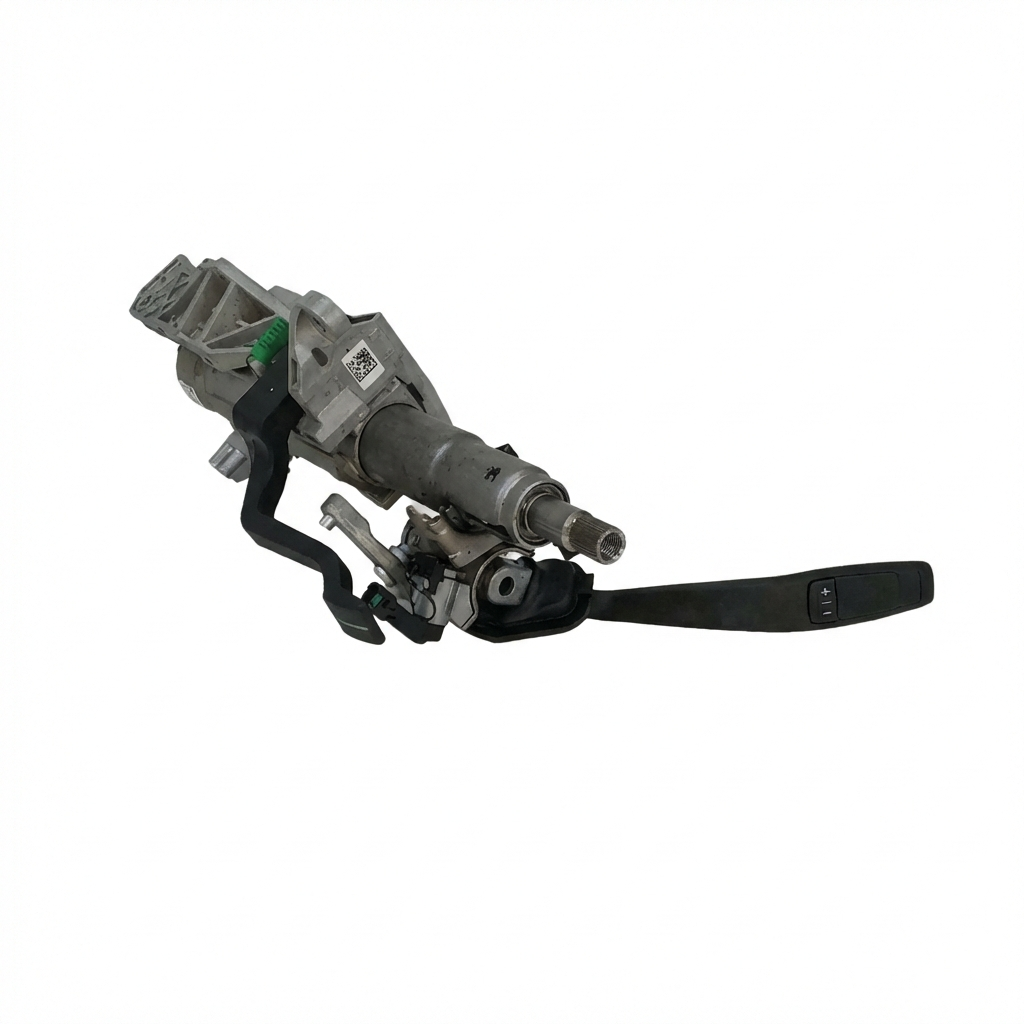
We Have This Part in Stock

The information in this article is provided for general reference and educational purposes only. Vehicle specifications, procedures, and part compatibility can vary by production date, trim level, and region. Always consult your vehicle's factory service manual and verify part numbers before purchasing or performing repairs. Safety-critical components such as airbags, seat belts, and braking systems should be installed by a qualified professional.
- Toyota Echo:
- 🛍️ Shop This Part
- Symptoms of a Failing Steering Column
- 1. Clunking, Popping, or Knocking Noises
- 2. Looseness or "Play" in the Steering Wheel
- 3. Stiff, Notchy, or Binding Steering
- 4. Tilt Mechanism Failure
- Known Issues, TSBs, and Recalls
- Buying a Used 2000-2005 Echo Steering Column
- 1. Critical: Verify Tilt vs. Non-Tilt
- 2. Physical Inspection Checklist
- 3. Why Used OEM is a Good Choice
- Cost Comparison
- Replacement Overview
- Frequently Asked Questions
- 🎟️ Get 5% Off