

2018-2026 Toyota Camry Steering Column: Stiff Steering, Noises & Replacement Guide
This guide covers common steering column problems in the 2018-2026 Camry, from stiff steering to clunking noises, and shows you how to inspect a used replacement.
- A known issue on 2018 models causes stiff steering, often covered by a Toyota Customer Support Program (22TE02).
- Compatibility is critical: you must match the part to your car's ignition type (conventional key vs. push-button start).
- Symptoms often include stiffness, clunking/clicking noises when turning, or a loose-feeling steering wheel.
- After replacement, the steering angle sensor must be recalibrated for safety systems to work correctly.
Known Issues, TSBs, and Customer Support Programs

While the 2018-2026 Toyota Camry steering column is generally reliable, some model years have specific known issues documented by Toyota.
Steering Intermediate Shaft Stiffness (2018 Models)
A significant issue for some 2018 Camry and Camry Hybrid models is a condition where the steering requires increased effort to turn or is slow to return to the center position. This may feel like stiffness or slight resistance during low-speed turns. The cause is often the lower universal joint on the steering intermediate shaft.
🎬 Watch: Seized intermediate shaft causing hard steering on a 2018 CamryIn response, Toyota issued Technical Service Bulletin T-SB-0028-22 and a Customer Support Program (22TE02). This program extended the warranty coverage for this specific issue, offering a free replacement of the steering intermediate shaft assembly for affected vehicles. The secondary coverage is applicable for 10 years or 150,000 miles from the vehicle's first use. Many owners have reported this stiffness and have had the repair covered by Toyota, even outside the standard warranty period.
Symptoms of a Failing Steering Column

A problem with the steering column or its related parts can manifest in several ways. Here are the most common symptoms to watch for.
1. Stiff or Difficult Steering
The most widely reported issue for this Camry generation is steering that suddenly becomes stiff or hard to turn. This is often related to the intermediate shaft issue mentioned above. The steering may feel jerky and not return to center smoothly after a turn. This can be a significant safety issue as it makes maneuvering difficult.
2. Clicking, Popping, or Grinding Noises
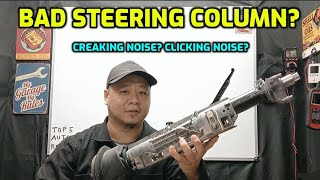
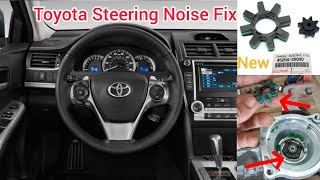
Audible noises when turning the steering wheel are a clear sign of a problem. These sounds can be described as clicking, popping, grinding, or clunking. They often point to worn-out bearings or a failing universal joint within the column or intermediate shaft.
3. Loose or Wobbly Steering Wheel
If the steering wheel feels loose, sloppy, or has excessive play, it could indicate worn internal components in the column. This is a serious safety concern as it compromises your control over the vehicle.
4. Tilt Adjustment Failure
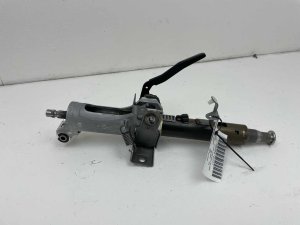
The steering column contains the mechanism for the tilt and telescope functions. If the steering wheel no longer locks securely in place or is difficult to adjust, the locking mechanism inside the column may be failing.
Compatibility Warning: The steering columns for the 2018-2026 Camry are NOT all the same. The primary differences are between models with a conventional key ignition and those with a push-button start (Smart Key) system. They are not interchangeable. Always verify the ignition type of the donor vehicle before purchasing a used column.
Buying a Used Steering Column: What to Check

Purchasing a used OEM steering column can be a cost-effective solution, but careful inspection is crucial. Here’s what to look for:
- Verify Ignition Type: This is the most critical check. Confirm whether you need a column for a conventional key or a push-button start system. A column from a car with a Smart Key will not work in a car with a standard key.
- Check for Accident Damage: Inspect the entire length of the column and intermediate shaft for any signs of bending, cracking, or stress marks. A column from a vehicle involved in a significant frontal collision should be avoided.
- Test the U-Joints: On the intermediate shaft, check the universal joints for smooth, binding-free movement. Any stiffness or notchiness indicates a worn joint, which is a common failure point.
- Inspect Wiring and Connectors: Ensure all electrical connectors are intact and undamaged. Check the wiring harnesses for any cuts, fraying, or signs of previous repair.
- Check the Tilt/Telescope Mechanism: If possible, operate the tilt and telescope lever. It should move smoothly and lock the column firmly in place without any slippage.
- Ask About Mileage: While a steering column can last the life of the vehicle, components like bearings and U-joints do wear. A lower-mileage part is generally a safer bet.
Cost Comparison
Replacing a steering column can be expensive, especially when buying new from a dealer. A used OEM part offers a significant saving.
| Part Type | Estimated Cost |
|---|---|
| New OEM (Dealer) | $900 - $1,400 |
| New Aftermarket | $120 - $250 (Limited availability, often just specific components) |
| Used OEM | $145 - $250 |
| Shop Labor | $250 - $450 |
Frequently Asked Questions (FAQ)
Do I need to reprogram anything after replacing the steering column?
Yes, most likely. The steering column houses the steering angle sensor, which is a critical part of the Vehicle Stability Control (VSC) and Electric Power Steering (EPS) systems. After replacement, this sensor will need to be calibrated using a professional diagnostic scan tool 🎬 Watch: How to remove the steering angle sensor and clock spring to ensure the safety systems function correctly.
Is the intermediate shaft part of the steering column assembly?
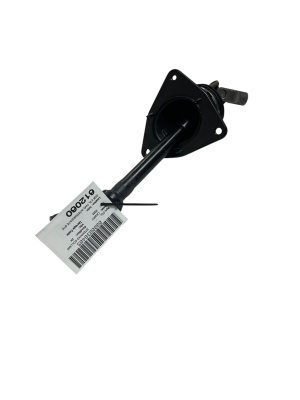
The intermediate shaft is a separate but connected part. It links the bottom of the main steering column inside the cabin to the steering rack in the engine bay. Sometimes only the intermediate shaft needs replacement, which is a less expensive part than the full column assembly.
Can a bad steering column cause a power steering warning light?
Yes. Since the steering angle sensor and other electronics are integrated with the column, a fault within these components can trigger a warning light for the Electric Power Steering (EPS) system or other safety systems like VSC or Pre-Collision.
Is a clunking noise always the steering column?
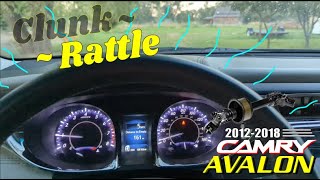
Not always. While a clunk when turning can be the intermediate shaft's U-joint or splines, similar noises can also be caused by worn strut mounts, tie rod ends, or sway bar links. A thorough diagnosis is needed to pinpoint the exact source of the noise before replacing parts.
Helpful Videos
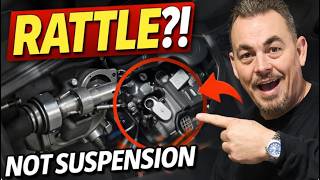
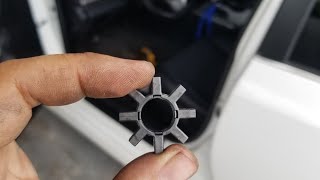
Technical Specifications
OEM Part Numbers: 45250-06B30 45250-33D20 45250-06B20 45250-33D10 45220-06250 45220-06251 45220-06252 45220-33350
Manual tilt and telescope functionality. Integrated with Electric Power Steering (EPS) system. Contains steering angle sensor and clock spring assembly.
We Have This Part in Stock


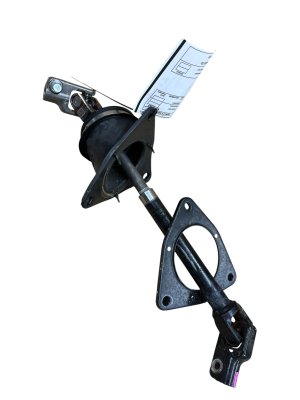

The information in this article is provided for general reference and educational purposes only. Vehicle specifications, procedures, and part compatibility can vary by production date, trim level, and region. Always consult your vehicle's factory service manual and verify part numbers before purchasing or performing repairs. Safety-critical components such as airbags, seat belts, and braking systems should be installed by a qualified professional.
- Toyota Camry:
- 🎬 Helpful Videos
- 🛍️ Shop This Part
- Known Issues, TSBs, and Customer Support Programs
- Steering Intermediate Shaft Stiffness (2018 Models)
- Symptoms of a Failing Steering Column
- 1. Stiff or Difficult Steering
- 2. Clicking, Popping, or Grinding Noises
- 3. Loose or Wobbly Steering Wheel
- 4. Tilt Adjustment Failure
- Buying a Used Steering Column: What to Check
- Cost Comparison
- Frequently Asked Questions (FAQ)
- 🎟️ Get 5% Off