

1997-2001 Jeep Cherokee Steering Column: Fixing Looseness, Sentry Key, and Tilt Issues
Your complete guide to diagnosing, buying, and replacing the steering column in your 1997-2001 XJ Cherokee, with a focus on common failure points and compatibility.
- Compatibility is critical: You must match Tilt, Cruise Control, and Sentry Key (2000-01 models) options exactly when buying a replacement.
- A loose, wobbly steering wheel is the most common failure, often caused by four internal bolts that can be tightened, though the repair is labor-intensive.
- A bad clock spring is the primary cause of an airbag light, inoperative horn, or dead cruise control buttons. This is a critical safety issue as it disables the airbag.
- Using a Sentry Key column in a non-Sentry Jeep (or vice-versa) will result in a no-start condition, as the engine immobilizer will not recognize the key.
Symptoms of a Failing Steering Column

Problems with the steering column can manifest in several ways, from annoying noises to serious safety concerns. Identifying the specific symptom is key to a correct diagnosis.
Loose or Wobbly Steering Wheel
This is the most common complaint for 1997-2001 Cherokee models. The steering wheel may feel loose, with excessive up-and-down or side-to-side play, especially at the tilt pivot point. This is often caused by four internal Torx bolts that have loosened over time. In other cases, worn or broken upper and lower column bearings can cause similar looseness and a clunking sensation over bumps.
Grinding or Clicking Noises When Turning
A grinding, clicking, or squeaking sound that occurs when you turn the steering wheel often points to failing bearings inside the column. These bearings allow the steering shaft to rotate smoothly, and when they wear out, the metal-on-metal contact creates noise. Another possibility is a failing clock spring, which can make a rubbing or clicking sound as its internal ribbon cable binds up.
Airbag Light, Horn, and Cruise Control Issues
If your airbag warning light is on, and/or your horn and cruise control have stopped working, the clock spring is the most likely culprit. The clock spring is a flat, coiled wire that allows the steering wheel to turn without breaking the electrical connections to these components. Over time, the internal wires can fatigue and break, causing an open circuit. In some cases, a faulty clock spring can even cause other strange electrical issues, like TPS (Throttle Position Sensor) error codes, because it shares a common ground circuit.
Ignition and Electrical Problems
Since the ignition switch and lock cylinder are housed in the steering column, their failure can lead to a no-start condition, intermittent power to accessories, or the key becoming difficult to turn or remove. The multifunction switch (for turn signals and wipers) can also fail, leading to signals that don't cancel or wipers that won't turn off.
Failed Tilt Mechanism
On models equipped with tilt steering, the mechanism can fail in a few ways. The adjustment lever might move, but the column won't lock or unlock. This is often due to a small, broken cable that connects the lever to the locking mechanism. Alternatively, the internal tilt pivot assembly can wear out, contributing to a very loose steering wheel.
Warning: A failing clock spring disables the driver's airbag. This is a critical safety failure and should be addressed immediately.
Buyer's Guide: What to Check Before Purchasing a Used 1997-2001 Cherokee Steering Column

Buying a used steering column can save you a significant amount of money, but verifying compatibility is essential. Mismatched columns can lead to a no-start condition or non-functional features. Follow these steps to ensure you get the right part.
Step 1: Identify Your Existing Column's Features
Before you buy, you must know exactly what configuration your Cherokee has. The three main variables are Tilt, Cruise Control, and Sentry Key.
- Tilt vs. Non-Tilt: This is the easiest to identify. Look on the left side of the column. If there is a lever that you pull to adjust the steering wheel's angle, you have a tilt column. If there is no lever, you have a non-tilt column.
- Cruise Control: Check your steering wheel. If you have buttons for cruise control functions, you need a column with a cruise-compatible clock spring. The wiring will be different from a non-cruise model.
- Sentry Key Immobilizer (2000-2001 only): This is the most critical compatibility check for later models. The Sentry Key system is an anti-theft feature. Look at your ignition key. If it's a thick, gray-headed key, you have Sentry Key. A thin, all-black key means you do not. A column from a Sentry Key vehicle has a special sensor ring around the ignition cylinder and will not work in a non-Sentry vehicle (and vice-versa) without swapping components or reprogramming the vehicle's computer.
Step 2: Physical Inspection of the Used Column
Once you've found a column that matches your features, inspect it carefully.
- Check for Play: Grab the steering shaft and try to wiggle it. There should be minimal to no up-and-down or side-to-side play. Excessive looseness indicates worn internal bearings or loose pivot bolts.
- Smooth Rotation: Turn the shaft by hand. It should rotate smoothly without grinding or binding.
- Inspect Wiring and Connectors: Look for any cut wires, broken connector plugs, or signs of heat damage. Repairing damaged wiring can be difficult and time-consuming.
- Check the Clock Spring: The clock spring should be centered and secured with its plastic tab if possible. A clock spring that has been spun while the column was disconnected from the steering gear is likely damaged.
- Look for Theft Damage: Inspect the ignition lock cylinder housing for cracks or pry marks, which indicate a theft attempt.
Pro Tip: Many forum users suggest that if your only problem is a wobbly tilt wheel, it's often better to repair your existing column by tightening the four internal bolts rather than swapping the entire unit. This is a tedious job but avoids compatibility issues.
Why a Used OEM Column is Often the Best Choice
While new aftermarket columns exist, a quality used Original Equipment Manufacturer (OEM) column is often a better value. The original switches, plastics, and internal mechanisms are typically built to a higher standard than cheaper aftermarket replacements. As long as you verify compatibility and inspect the unit for wear, a used OEM column offers a guaranteed fit and reliable function.
Known Issues, Recalls, and Technical Service Bulletins (TSBs)
The 1997-2001 Jeep Cherokee steering column is well-known for a few specific issues, though no major safety recalls were found for the column assembly itself during this period.
- Loose Tilt Column Bolts: The most prevalent issue is the loosening of four E-Torx bolts deep inside the tilt mechanism. This is a design flaw inherited from the GM-sourced Saginaw column design. The fix involves significant disassembly to access and tighten these bolts, and applying Loctite is highly recommended to prevent recurrence.
- Worn Column Bearings: Over time, the upper and lower bearings that support the steering shaft can wear out, causing play and noise.
- No Recalls Found: Searches of the NHTSA database did not reveal any specific recalls for the entire steering column assembly on 1997-2001 Jeep Cherokees. Recalls for this era tend to focus on other vehicle components.
Cost of Replacement
The cost to replace a steering column can vary widely based on the parts source and labor rates.
| Part/Service | Estimated Cost |
|---|---|
| New OEM (Mopar) | $800 - $1200+ (Many are discontinued) |
| New Aftermarket (Dorman, etc.) | $250 - $400 (For intermediate shaft only) |
| Used OEM (Salvage Yard) | $75 - $250 |
| Remanufactured | $300 - $500+ (Availability is limited) |
| Shop Labor | $250 - $450 |
Installation Overview & Difficulty

- Difficulty Rating: 3 out of 5
- Estimated Time: 2-4 hours
- DIY Feasible: Yes, for mechanically experienced individuals.
Replacing the steering column is a moderately difficult job that requires care, especially regarding the airbag system. The basic steps involve disconnecting the battery, removing the lower dash panels, removing the steering wheel (which requires a puller tool), disconnecting all electrical connectors, unbolting the column from the dash support, and unbolting the intermediate shaft from the steering gear in the engine bay.
Warning: Airbag and Clock Spring Safety
1. Disconnect the Battery: Before beginning any work, disconnect the negative battery terminal and wait at least 15 minutes to allow the airbag system's backup power to discharge. Failure to do so could result in accidental airbag deployment.
2. Center the Clock Spring: The clock spring has a limited range of rotation. Before installing the steering wheel, ensure the new clock spring is centered according to its instructions. Installing it off-center will cause it to break on the first full turn of the steering wheel, disabling the airbag, horn, and cruise control.
Frequently Asked Questions (FAQ)
Can I fix my wobbly steering column without replacing it?
Yes, in many cases. If the looseness is at the tilt pivot, the problem is likely four internal bolts that need to be tightened. This repair is labor-intensive as it requires disassembling the top half of the column, but it is cheaper than a full replacement. Special tools like a steering wheel puller and lock plate remover are required.
What happens if I install a Sentry Key column in my non-Sentry Key Jeep?
The vehicle will not start and run. The engine may crank, but it will shut off after about two seconds because the Engine Control Module (ECM) is not receiving the correct signal from the immobilizer key and sensor ring. To make it work, you would need to swap your original non-Sentry ignition cylinder housing onto the replacement column.
Can I add tilt steering to my non-tilt Cherokee?
Yes, this is a possible conversion. You will need to acquire a complete tilt steering column assembly that matches your vehicle's year range, cruise control, and Sentry Key status. The swap is a direct bolt-in replacement, but you must get the entire column assembly.
Do I need a special tool to remove the steering wheel?
Yes, you will need a steering wheel puller. After removing the main nut, the steering wheel is pressed onto a splined shaft and will not come off by just pulling. A puller tool bolts to the wheel and uses a center screw to safely and evenly press the shaft out, releasing the wheel.
OEM Part Numbers
The following OEM part numbers are associated with steering columns for the 1997-2001 Jeep Cherokee. Compatibility depends on the specific options (tilt, cruise, Sentry Key) for each part. Always verify the part number with the vehicle's VIN before ordering.
- 04897809AB (Tilt)
- 04897810AB
- 04897811AB
- 04897818AB
- 04897820AB
- 4897809AB
- 4897810AB
- 4897811AB
- 4897818AB
- 4897820AB
- 5156071AI
- 52079822AD
Technical Specifications
OEM Part Numbers: 04897809AB 04897810AB 04897811AB 04897818AB 04897820AB 4897809AB 4897810AB 4897811AB 4897818AB 4897820AB 5156071AI 52079822AD
The steering columns used in the Jeep Cherokee XJ are a Saginaw-style design, also used in many GM vehicles of the era.
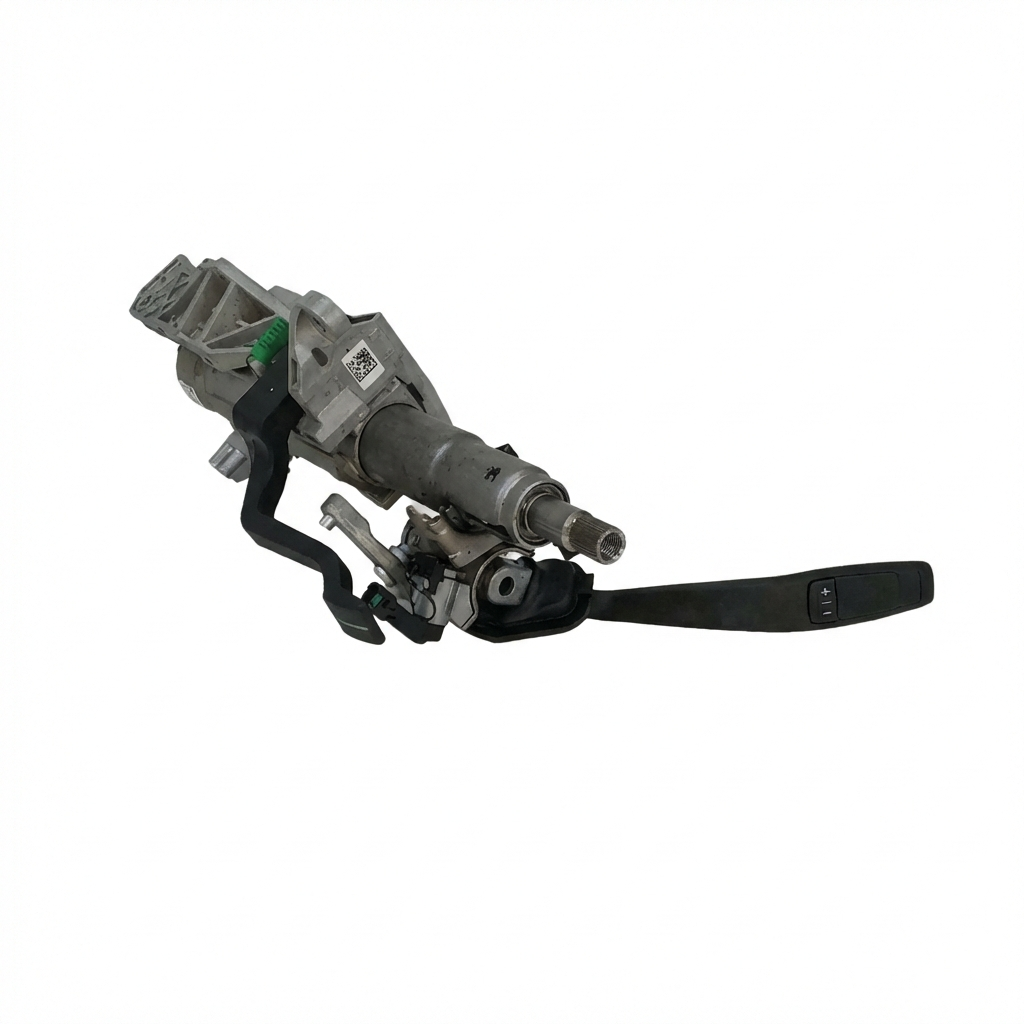
We Have This Part in Stock

The information in this article is provided for general reference and educational purposes only. Vehicle specifications, procedures, and part compatibility can vary by production date, trim level, and region. Always consult your vehicle's factory service manual and verify part numbers before purchasing or performing repairs. Safety-critical components such as airbags, seat belts, and braking systems should be installed by a qualified professional.
- Jeep Cherokee:
- 🛍️ Shop This Part
- Symptoms of a Failing Steering Column
- Loose or Wobbly Steering Wheel
- Grinding or Clicking Noises When Turning
- Airbag Light, Horn, and Cruise Control Issues
- Ignition and Electrical Problems
- Failed Tilt Mechanism
- Buyer's Guide: What to Check Before Purchasing a Used 1997-2001 Cherokee Steering Column
- Step 1: Identify Your Existing Column's Features
- Step 2: Physical Inspection of the Used Column
- Why a Used OEM Column is Often the Best Choice
- Known Issues, Recalls, and Technical Service Bulletins (TSBs)
- Cost of Replacement
- Installation Overview & Difficulty
- Frequently Asked Questions (FAQ)
- OEM Part Numbers
- 🎟️ Get 5% Off