

2007-2016 Honda CR-V Steering Column: Hydraulic vs. Electric Power Steering (EPS) Failures
This guide covers the critical differences between the 2007-2011 hydraulic and 2012-2016 electric steering systems, common failures, and how to buy the right used part.
- The 2007-2011 CR-V uses a hydraulic steering system, while the 2012-2016 uses Electric Power Steering (EPS). They are not interchangeable and have different common failures.
- For 2012-2016 models, a sudden loss of steering assist is a common complaint, often caused by a weak battery, a blown 70A EPS fuse, or a failed EPS control module.
- Compatibility is critical when buying used. You must match features like smart key (push-button start), steering wheel controls, and advanced safety systems.
- After replacing a column on a 2012-2016 model, the steering angle sensor MUST be recalibrated with a scan tool for the EPS and stability control systems to work correctly.
Symptoms of a Failing Steering Column

Steering column issues in the 2007-2016 Honda CR-V can be either mechanical or electrical. The symptoms you experience will depend heavily on your vehicle's model year.
Mechanical Failure Symptoms (Applies to All Years)
- Clicking, Grinding, or Rubbing Noises: A grinding or clicking sound when you turn the wheel often points to worn-out internal bearings within the column. This may start intermittently and become constant over time.
- Loose Steering or Excessive Play: If the steering wheel can be moved back and forth without the wheels responding immediately, this is known as free play. It can be caused by worn internal components or loose connections and is a serious safety concern.
- Tilt Adjustment Failure: The mechanism that allows the steering wheel to tilt up and down can fail, preventing it from locking into place.
- Vibrations in the Steering Wheel: While often caused by wheel balance issues, vibrations can also come from a misaligned or damaged steering column.
Electrical Failure Symptoms
- 2007-2011 (Hydraulic Steering): Owners have reported a "memory steer" issue where the vehicle continues to pull to one side after a turn, as well as leaking from the power steering rack. While not a column failure itself, it's a known issue with the steering system in these years.
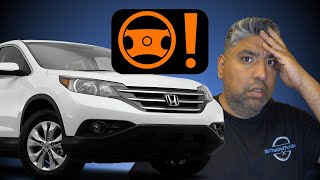
- 2012-2016 (Electric Power Steering - EPS): The most common and alarming issue for this generation is the sudden loss of power steering assist. The wheel will become extremely difficult to turn, and the EPS warning light (a steering wheel with an exclamation point) will illuminate on the dashboard. This can be intermittent, sometimes resolving after restarting the car.
- Malfunctioning Controls: Failure of the cruise control, radio buttons, or horn can be caused by a bad clock spring, which is located within the steering column assembly.
Warning: Any significant change in steering feel, especially sudden difficulty turning or excessive looseness, is a critical safety issue. Do not drive the vehicle until it has been inspected.
Known Issues, Recalls, and Technical Service Bulletins (TSBs)

While no major recalls target the steering column itself for the 2007-2016 model years, there are well-documented problems, particularly with the 4th generation's electric power steering system.
2007-2011 (3rd Generation) Known Issues
- Power Steering Rack Leaks: Some owners have experienced premature failure of the power steering rack, leading to fluid leaks and requiring a costly replacement.
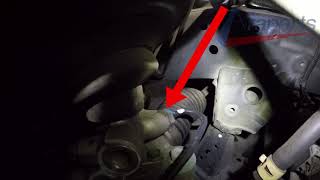
- High-Pressure Power Steering Line Leaks: The hose connecting the power steering pump to the rack can leak where the rubber meets the metal fitting, causing 🎬 Watch: Step-by-step high pressure power steering line replacement guide. a whining noise from low fluid and loss of assist.
2012-2016 (4th Generation) Known Issues
- Intermittent EPS Failure: The most significant issue is the sudden loss of electric power steering. Owners report the steering becoming heavy without warning. This has been linked to several potential causes:
- Failing EPS Control Module: The electronic brain of the power steering system can fail, requiring replacement. This is a common diagnosis when the EPS light is on. 🎬 See how to diagnose and fix a failed EPS module.
- Weak or Failing Battery: The EPS system draws a lot of power. A weak battery can cause the system to shut down to conserve energy, leading to a loss of steering assist.
- Blown EPS Fuse: A 70-amp fuse in the under-hood fuse box powers the EPS motor. Checking this fuse is a critical first step in diagnosing a total loss of power steering.
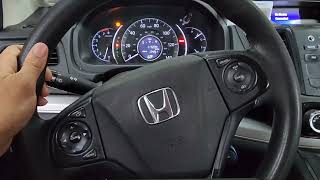
- Steering Angle Sensor Calibration: After a wheel alignment or battery disconnect, the steering angle sensor may need to be recalibrated. If not, it can cause the ABS and traction control lights to come on, as the system doesn't know the true position of the steering wheel. 🎬 Watch: How to reset the steering angle sensor after alignment.
Buying a Used 2007-2016 CR-V Steering Column: Your Definitive Checklist

Buying a used OEM steering column is an excellent way to save money, but careful verification is crucial due to the many variations. An incorrect column will not work and may have incompatible wiring.
Physical Inspection Before You Buy
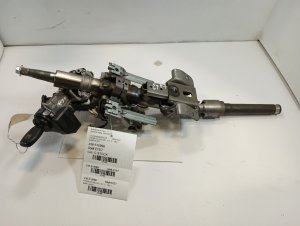
- Check the Shaft: Look down the length of the main shaft. It must be perfectly straight. Any bends from an accident will render it useless.
- Inspect Wiring and Connectors: All plastic connectors should be intact, without cracks or broken locking tabs. Inspect the wiring for any cuts, frays, or shoddy repairs.
- Examine the Splines: The splines at the top (where the steering wheel mounts) and bottom (where the intermediate shaft connects) must be clean and sharp, not stripped or damaged.
- Turn the Shaft: If possible, try to turn the shaft by hand. It should move smoothly without any grinding or catching, which would indicate bad bearings.
Verifying Compatibility: The Most Important Step
Use the OEM part number from your original column as the ultimate source of truth. If you can't get it, you must match your vehicle's year and features precisely.
For 2007-2011 CR-V (3rd Gen)
These models use a hydraulic power steering system. The main variations involve electronic features.
- Cruise & Audio Controls: Columns for EX, EX-L, and SE trims often include wiring for steering wheel-mounted controls. A column from a base LX model may not have these provisions.
- Transmission: This guide focuses on automatic transmission models, which are the vast majority. Ensure the column is not from a rare manual transmission model if applicable.
- Shifter Location: Some 2011 models have a dash-mounted shifter. While the column itself may be similar, ensure all related components are compatible.
For 2012-2016 CR-V (4th Gen)
These models use Electric Power Steering (EPS), making electronic compatibility even more critical.
- Smart Key System: This is a major dividing line. Columns for models with a push-button start (Smart Key) are different from those with a traditional turn-key ignition. A 2015-2016 column for EX, EX-L, or Touring trims with a smart key is a specific variant.
- Fog Lamps: On some trims (like EX, EX-L), the presence of fog lamps is tied to the steering column wiring and combination switch. Verify if the donor vehicle had this option.
- Advanced Safety Features: Columns for vehicles with adaptive cruise control or rain-sensing wipers are unique. Ensure the used column does NOT come from a vehicle with these features unless your CR-V also has them.
Pro Tip: When in doubt, choose a used column from a vehicle with the exact same year, trim level (LX, EX, EX-L, SE, Touring), and options as yours. It's the safest way to guarantee a match.
Cost Comparison
Replacing a steering column can be expensive, but buying a used OEM part offers significant savings over a new dealer part.
| Part Type | Estimated Cost |
|---|---|
| New OEM | $300 - $600 |
| New Aftermarket | $250 - $450 |
| Used OEM | $75 - $200 |
| Shop Labor | $230 - $600 |
Note: Prices are estimates and can vary based on location, supplier, and the specific part number required. Labor for diagnosing EPS issues may be additional.
Frequently Asked Questions (FAQ)
What is a clock spring and is it included with the steering column?
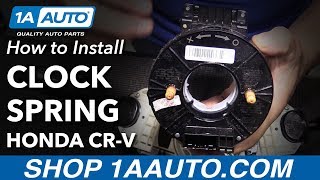
The clock spring is a flat, coiled ribbon of wire that sits behind the steering wheel. It allows the wheel to turn while maintaining electrical connections for the driver's airbag, horn, and steering wheel controls. Used steering columns often come with the clock spring and combination switches (for wipers/lights) still attached, but not always. Always confirm what is included before buying.
Will I need a wheel alignment after replacing the steering column?
Yes, an alignment is highly recommended. Replacing the column involves disconnecting it from the steering rack via the intermediate shaft. To ensure the steering wheel is perfectly centered and the vehicle tracks straight, a professional alignment should be performed after the installation is complete.
Does the steering angle sensor need to be recalibrated on my 2013 CR-V after replacement?
Yes. On 2012-2016 models with EPS, the steering angle sensor is critical. After replacing the column or even just disconnecting the battery, the sensor's memory may be lost. It must be recalibrated with a compatible scan tool to ensure the EPS, traction control, and stability control systems function correctly. Failure to do so can result in warning lights and improper system operation.
My 2010 CR-V steering is whining. Is that the column?
A whining noise that changes pitch as you turn the wheel on a 2007-2011 CR-V is almost always caused by the hydraulic power steering system, not the column itself. The most common causes are low power steering fluid (due to a leak) or a failing power steering pump. Check your fluid level first.
Helpful Videos
Technical Specifications
OEM Part Numbers: 35251SWAE41 35255TA0A02 35255TA0K42 35256SWAA11 53200SWAA02 53200SWAA03 53200SWAA04 53200T0AA01 53200T0AA22
System type varies by generation: Hydraulic Power Steering (2007-2011), Electric Power Steering (2012-2016). The 2012-2016 EPS system is powered by a 70-amp fuse.
We Have This Part in Stock



The information in this article is provided for general reference and educational purposes only. Vehicle specifications, procedures, and part compatibility can vary by production date, trim level, and region. Always consult your vehicle's factory service manual and verify part numbers before purchasing or performing repairs. Safety-critical components such as airbags, seat belts, and braking systems should be installed by a qualified professional.
- Honda CR-V:
- 🎬 Helpful Videos
- 🛍️ Shop This Part
- Symptoms of a Failing Steering Column
- Mechanical Failure Symptoms (Applies to All Years)
- Electrical Failure Symptoms
- Known Issues, Recalls, and Technical Service Bulletins (TSBs)
- 2007-2011 (3rd Generation) Known Issues
- 2012-2016 (4th Generation) Known Issues
- Buying a Used 2007-2016 CR-V Steering Column: Your Definitive Checklist
- Physical Inspection Before You Buy
- Verifying Compatibility: The Most Important Step
- Cost Comparison
- Frequently Asked Questions (FAQ)
- 🎟️ Get 5% Off