

2015 Kia K900 Steering Column Control Module: Diagnosing Failures and Replacement Guide
This guide covers common symptoms, programming needs, and replacement costs for the steering column control module in the 2015 Kia K900.
- The most common symptoms of failure are inoperable power tilt/telescopic adjustment and dead steering wheel buttons or horn.
- A replacement module will very likely require programming or calibration by a Kia dealer or qualified shop with specialized tools.
- Many symptoms overlap with a failing clock spring; test if functions work intermittently while turning the wheel to help isolate the problem.
- Replacement is not a DIY job for novices due to the need to handle the airbag and potential for electronic programming.
Symptoms of a Failing 2015 Kia K900 Steering Column Control Module
Diagnosing a faulty Steering Column Control Module (SCCM) can be tricky because its symptoms often overlap with other parts in the steering column, like the clock spring or multifunction switch. The most common signs point to a loss of electrical functions controlled by the module.
- Power Tilt/Telescopic Failure: The most direct symptom for part number 954503T001 is the inability to adjust the steering wheel's position up, down, in, or out.
- Unresponsive Steering Wheel Buttons: Buttons for cruise control, audio volume, track selection, or phone calls may stop working entirely or work only intermittently.
- Horn Failure: The horn may become inoperable, which is a significant safety issue. This often happens in conjunction with other button failures.
- Airbag Warning Light: While more commonly associated with a bad clock spring, the SCCM can be part of the communication path for the airbag system. An airbag warning light appearing with other steering wheel electrical issues can point to a problem in the column.
- Associated OBD-II Codes: While specific codes for this module on the K900 are not widely documented, network communication codes starting with 'U' (like U0537 - Invalid Data Received From Column Lock Module) can indicate a module failure.
Differentiating Between the SCCM and a Bad Clock Spring
Many symptoms of a bad SCCM are identical to those of a failing clock spring. The clock spring is a coiled ribbon cable directly behind the steering wheel that maintains electrical connections as the wheel turns. A key diagnostic tip is to test the non-functional buttons while turning the steering wheel from lock to lock. If the buttons work at certain angles but not others, the clock spring is the most likely culprit due to a break in its internal ribbon. If the functions are completely dead regardless of wheel position, the SCCM or a fuse is a more likely cause.
Pro Tip: Before assuming a module has failed, check all related fuses. Also, some Kia owners have reported that disconnecting the vehicle's battery for 30-60 minutes can reset the electronics and sometimes restore steering wheel control functions. This is a simple first step that could save a costly repair.
Known Issues, Recalls, and Technical Service Bulletins (TSBs)
As of mid-2026, there are no recalls or Technical Service Bulletins (TSBs) issued by Kia or the NHTSA that specifically address the Steering Column Control Module (part 954503T001) for the 2015 Kia K900.
It is important not to confuse other recalls with an SCCM issue:
- NHTSA Recall 16V-288 (Kia SC130): This recall concerned the headlight multifunction switch on the steering column, which could cause headlights to flicker. It did not involve the internal control module.
- NHTSA Recall 23V652: This recall was for a potential electrical short in the Hydraulic Electronic Control Unit (HECU) for the ABS, which could pose a fire risk. This part is unrelated to the steering column.
Programming and Calibration Requirements
A critical question for any electronic module replacement is whether it requires programming. While there is no definitive statement found for this specific part on the 2015 K900, it is highly likely that a replacement module will require some form of programming or calibration by a dealer or a qualified independent shop.
Modern vehicle modules are often coded to the car's Vehicle Identification Number (VIN) and its specific set of options. A used module from a donor car may have different settings. At a minimum, a replacement may require a "variant coding" procedure or calibration of the steering angle sensor. This is typically done using Kia's proprietary Global Diagnostic System (GDS) software, which requires a subscription to `kiatechinfo.com` and a compatible J2534 Pass-Thru device. Failure to program the module correctly could result in it not functioning properly.
Warning: Due to the need for potential programming and the safety-critical nature of removing the steering wheel and airbag, this repair is recommended for experienced technicians. Improper handling of the airbag can result in serious injury.
Buying a Used 2015 K900 Steering Column Control Module
Given the significant cost savings, a used OEM module is a popular choice. However, buying a used electronic part requires careful consideration.
- Match the Part Number Exactly: The only way to ensure compatibility is to match the OEM part number. For the 2015 K900, the primary number is 954503T001. Do not rely on visual appearance alone.
- Inspect for Damage: Check the module for any signs of physical damage, especially to the connectors and pins. Bent or corroded pins will cause communication errors. Avoid parts that show signs of water intrusion or heat damage.
- Source from a Reputable Seller: Purchase from a recycled parts seller that offers a warranty and a return policy. This gives you protection in case the part is dead on arrival.
- Understand Programming Needs: Be prepared for the added cost and step of having the used module programmed to your vehicle. Factor this into the total cost of the repair.
Replacement Cost Comparison
The cost to replace the Steering Column Control Module can vary significantly based on the part source and labor rates.
| Item | Estimated Cost |
|---|---|
| New OEM Part | $280 - $415 |
| Used OEM Part | $50 - $100 |
| Shop Labor | $150 - $300 |
| Total (New Part) | $430 - $715 |
| Total (Used Part) | $200 - $400 |
Note: Labor is estimated at 1.5-2 hours. Prices are estimates and do not include taxes or potential programming fees.
Frequently Asked Questions (FAQ)
Does the 2015 K900 steering column module need to be programmed?
It is very likely. While not explicitly stated in the research, most modern Kia control modules require programming or calibration with dealer-level software (Kia GDS) to function correctly with the vehicle's specific options and VIN. You should assume this step will be necessary.
Can I replace the steering column control module myself?
This is not recommended for beginners. The replacement requires disconnecting the battery, removing the driver's airbag, and pulling the steering wheel. Mishandling an airbag is extremely dangerous. Furthermore, the need for post-installation programming makes this a job best left to a professional technician with the right tools.
Is a bad module the same as a bad clock spring?
No, they are different parts, but they have similar symptoms. The clock spring is a rotating electrical connector for the airbag and wheel buttons, while the module is the electronic unit that processes the signals. If your buttons or horn work intermittently only when you turn the wheel, the clock spring is the likely cause. If they are completely dead, the module is a stronger possibility.
Will a bad steering column control module prevent the car from starting?
Generally, no. The SCCM primarily controls convenience features like power column adjustment and steering wheel buttons. However, in rare cases, a severe electrical short or network communication failure involving the module could potentially interfere with the car's immobilizer or other critical systems.
Technical Specifications
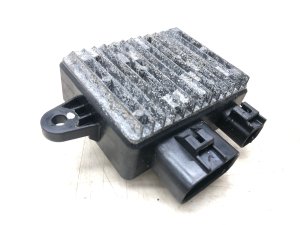
OEM Part Numbers: 954503T001
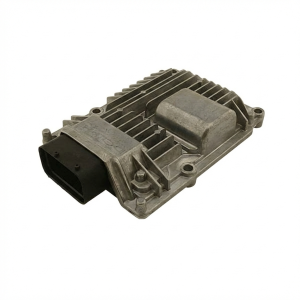
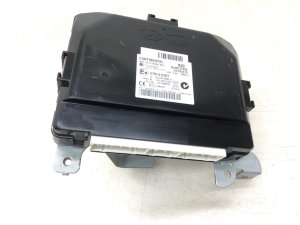
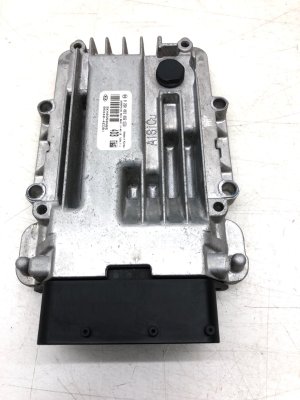
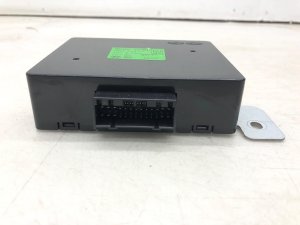
Controls power tilt and telescopic steering column functions.
We Have This Part in Stock


The information in this article is provided for general reference and educational purposes only. Vehicle specifications, procedures, and part compatibility can vary by production date, trim level, and region. Always consult your vehicle's factory service manual and verify part numbers before purchasing or performing repairs. Safety-critical components such as airbags, seat belts, and braking systems should be installed by a qualified professional.
- Kia K900:
- 🛍️ Shop This Part
- Symptoms of a Failing 2015 Kia K900 Steering Column Control Module
- Differentiating Between the SCCM and a Bad Clock Spring
- Known Issues, Recalls, and Technical Service Bulletins (TSBs)
- Programming and Calibration Requirements
- Buying a Used 2015 K900 Steering Column Control Module
- Replacement Cost Comparison
- Frequently Asked Questions (FAQ)
- 🎟️ Get 5% Off