

2009-2018 Ram 2500 & 3500 6.7L Cummins Starter: Diagnosing the 'Click, No Start' Problem
This guide covers common failure symptoms, replacement costs, and what to look for when buying a used OEM starter for your 6.7L Cummins-powered Ram truck.
- The most common symptom of failure is a single loud 'click' with no engine crank, which usually points to a bad starter motor or solenoid.
- Before replacing the starter, always have both batteries load-tested. Weak batteries can mimic starter problems and cause premature starter failure.
- A used OEM starter is often a better choice than a cheap aftermarket part for this high-torque diesel application. Inspect the gear teeth and electrical terminals before buying.
- Replacement is a DIY-friendly job, but the top mounting bolt can be difficult to access without a long extension and a swivel socket.
Symptoms of a Failing Starter Motor

A failing starter on the 6.7L Cummins engine typically gives clear warning signs. Because these trucks use a dual-battery setup, a weak battery can sometimes be mistaken for a bad starter. Always ensure both batteries are fully charged and the terminals are clean and tight before diagnosing the starter itself.
1. Single, Loud Click, But No Crank
This is the most common symptom. You press the start button, hear one loud "CLICK" from the engine bay, and then nothing happens. The dashboard lights stay on, and the engine doesn't turn over. This usually means the starter solenoid is engaging and pushing the pinion gear forward, but the electric motor itself isn't spinning. This can be caused by worn internal contacts in the solenoid or worn brushes in the starter motor.
2. Grinding Noise During Cranking
If you hear a harsh grinding or metallic screeching sound when you try to start the engine, it often indicates a problem with the starter's pinion gear or the teeth on the engine's flywheel. The gear may not be engaging properly or may be damaged. It's crucial to address this immediately, as a damaged starter gear can ruin the much more expensive flywheel.
3. Slow or Labored Cranking
When you try to start the truck, the engine turns over much slower than usual, as if the batteries are weak. If you've confirmed the batteries are good, this points to a starter motor that is drawing too much current due to internal wear or a partial short circuit. The motor is struggling to generate enough torque to spin the high-compression diesel engine.
4. No Sound at All
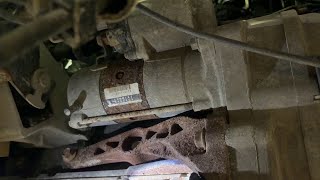
If you press the start button and nothing happens—no click, no crank, nothing—the problem could be upstream of the starter. This might indicate a failed starter relay, a bad ignition switch, or a problem with the signal wire to the solenoid. However, it can also mean a completely dead starter solenoid 🎬 Watch a 6.7L no-start starter diagnostic and test that isn't even trying to engage.
Known Issues, Recalls, and Technical Service Bulletins (TSBs)

As of early 2026, there are no specific recalls or widespread Technical Service Bulletins (TSBs) issued by Ram or the NHTSA that directly target the starter motor for the 2009-2018 Ram 2500 and 3500 trucks. Most starter failures on these vehicles are attributed to normal wear and tear over time and mileage. Forum discussions among owners confirm that starter failure is a relatively common issue, especially on trucks with over 100,000-125,000 miles, but it is not considered a manufacturing defect.
Buying a Used Starter Motor for Your 6.7L Cummins

For a high-torque application like the 6.7L Cummins, a high-quality used OEM starter is often a more reliable and cost-effective choice than a new, cheap aftermarket unit. OEM starters are built to withstand the immense force required to turn over a diesel engine. Here’s what to inspect when buying a used one:
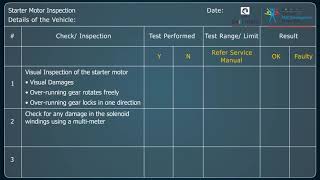
- Check the Pinion Gear: Inspect the teeth on the small gear at the end of the starter. They should be sharp and evenly worn. Avoid any starter with chipped, broken, or excessively rounded teeth.
- Inspect Electrical Terminals: Look at the main power stud and the smaller signal wire terminal on the solenoid. They should be clean, free of corrosion, and not stripped or damaged.
- Look for Physical Damage: Check the starter housing and solenoid case for cracks, dents, or signs of being dropped. Any significant damage could indicate internal problems.
- Test the Pinion Gear Movement: The pinion gear should spin freely in one direction and lock instantly in the other. It should also move smoothly along its shaft when pushed and return quickly.
- Mileage Consideration: Starters on these trucks often fail between 100,000 and 150,000 miles. When buying used, look for a part from a lower-mileage vehicle if possible. However, even a higher-mileage OEM starter can be a good value if it passes a thorough inspection.
Pro Tip: Before installing a used starter, it's wise to have it bench-tested at an auto parts store. 🎬 Watch: How to inspect and test a used starter motor Most stores offer this service for free. This will confirm the solenoid engages and the motor spins strongly under load before you go through the trouble of installation.
Cost to Replace a Ram 2500/3500 Starter
The cost can vary significantly based on the part source and labor rates. Replacing the starter on these trucks is a straightforward job for a DIYer with basic tools, typically taking 1-2 hours.
| Part Type | Estimated Cost |
|---|---|
| New OEM (Mopar) | $450 - $850 |
| Remanufactured (Mopar) | $375 - $500 (plus core charge) |
| New Aftermarket | $190 - $420 |
| Used OEM | $75 - $200 |
| Shop Labor Cost | $100 - $250 |
Step-by-Step Replacement Guide

Replacing the starter is manageable for most DIY mechanics. The starter is located on the driver's side of the engine, near the transmission bell housing.
🎬 Watch this step-by-step 6.7 Cummins starter replacement process- Safety First: Disconnect the negative terminals on BOTH batteries to prevent electrical shorts.
- Access the Starter: On some models, removing the driver's side front wheel and inner fender liner provides the easiest access.
- Disconnect Electrical Connections: Remove the nut (typically 13mm) holding the main battery cable to the solenoid. Then, disconnect the smaller signal wire connector.
- Remove Mounting Bolts: The starter is held in place by two or three bolts (often 15mm or requiring a 10mm star/external torx socket). The top bolt can be difficult to reach; a long extension and a universal joint swivel can be very helpful.
- Remove the Old Starter: With the bolts out, carefully maneuver the starter out from its position. It is heavy, so be prepared.
- Installation: Installation is the reverse of removal. Ensure the mounting surface is clean. Hand-tighten the bolts first to ensure proper alignment, then torque them to specification. The torque spec for the main mounting bolts is typically 32 ft-lbs. Reconnect the electrical wires, ensuring the main cable nut is snug. Reconnect the batteries and test the new starter.
Warning: The starter motor is heavy and can be awkward to handle under the truck. Ensure the vehicle is securely supported on jack stands before beginning work.
Frequently Asked Questions (FAQ)
Can I drive my truck with a bad starter?
No. If the starter has failed, the engine will not be able to crank, and the truck will not start. You will need to have the vehicle towed for repair.
Is it better to rebuild the starter or replace it?
While rebuilding a starter by replacing the solenoid contacts and motor brushes is possible, it's not common practice anymore. Given the reasonable cost of high-quality remanufactured or used OEM units, replacement is almost always the faster and more reliable option.
Do I need to replace both batteries if my starter fails?
Not necessarily, but a failing starter can be a symptom of weak batteries. A weak battery system forces the starter to work harder, leading to premature failure. It is highly recommended to have both batteries load-tested when you replace the starter. If they are more than 3-4 years old, replacing them as a pair is a good preventative measure.
Will a bad starter drain my battery?
Yes, a starter with an internal short circuit can draw excessive current, draining the batteries even when the truck is off. More commonly, a failing starter will draw too much power during attempted cranking, which can quickly deplete a weak battery.
Helpful Videos
Technical Specifications
OEM Part Numbers: 4934925 4982056 68002981AA 68049020AA 68444855AA R8049020AB R8444855AB
Voltage: 12V Power: 4.8kW Teeth: 10
We Have This Part in Stock



The information in this article is provided for general reference and educational purposes only. Vehicle specifications, procedures, and part compatibility can vary by production date, trim level, and region. Always consult your vehicle's factory service manual and verify part numbers before purchasing or performing repairs. Safety-critical components such as airbags, seat belts, and braking systems should be installed by a qualified professional.
- Ram Ram 2500:
- Ram Ram 3500:
- 🎬 Helpful Videos
- 🛍️ Shop This Part
- Symptoms of a Failing Starter Motor
- 1. Single, Loud Click, But No Crank
- 2. Grinding Noise During Cranking
- 3. Slow or Labored Cranking
- 4. No Sound at All
- Known Issues, Recalls, and Technical Service Bulletins (TSBs)
- Buying a Used Starter Motor for Your 6.7L Cummins
- Cost to Replace a Ram 2500/3500 Starter
- Step-by-Step Replacement Guide
- Frequently Asked Questions (FAQ)
- 🎟️ Get 5% Off