

2004-2011 Mitsubishi Endeavor Stabilizer Bar: Diagnosing Clunks and Rust Issues
This guide covers how to diagnose failing stabilizer bars, links, and bushings, and highlights the critical differences between FWD and AWD models.
- A clunking noise over bumps is the #1 symptom, but it's almost always caused by worn end links or bushings, not the bar itself.
- You must verify if your Endeavor is FWD or AWD before ordering a REAR stabilizer bar or its components, as they are different.
- On any used Endeavor, especially from a salt-belt state, inspect the subframes for severe rust before worrying about the stabilizer bar.
- Always replace stabilizer links and bushings in pairs when servicing the system to ensure a complete and lasting repair.
Symptoms of a Failing Stabilizer Bar System


When a stabilizer bar system fails, the symptoms are often audible and affect the vehicle's handling. It's important to note that the most common failure point is not the steel bar itself, but the softer components that connect it to the vehicle: the end links and bushings.
Clunking or Knocking Noises
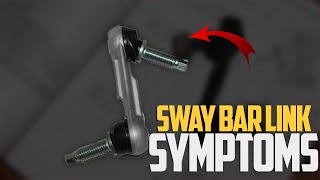
The number one symptom of a problem is a distinct clunking, rattling, or knocking sound coming from the front or rear suspension. This noise is most noticeable at lower speeds when driving over bumps, potholes, or uneven road surfaces. The sound is caused by worn-out bushings or loose joints in the stabilizer bar end links, which allow metal components to bang against each other. A higher-pitched clunk often points to bad end links, while a duller thud may indicate worn frame bushings.
Poor Handling and Body Roll
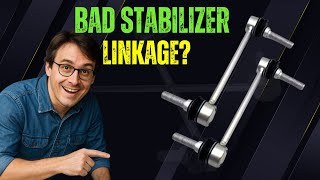
A failing stabilizer system will cause a noticeable increase in body roll, making the Endeavor feel like it's swaying or leaning excessively during turns. You might feel that the steering is loose, vague, or less responsive. 🎬 Watch: 8 signs your stabilizer links are failing This can make the vehicle feel unstable, especially when changing lanes at highway speeds or during sudden maneuvers.
Visible Wear and Damage
A visual inspection can often confirm the problem. Look for cracked, torn, or missing rubber bushings where the bar mounts to the frame and where the end links connect. The ball joints on the end links may have torn boots, or you may be able to move the links by hand, indicating excessive play.
Warning: The Mitsubishi Endeavor and other models from this era can be prone to severe underbody rust, especially in regions that use road salt. A major safety recall was issued for front crossmember (subframe) corrosion on similar models like the Lancer and Outlander, which could cause the lower control arm to detach and lead to a complete loss of vehicle control. Before diagnosing a stabilizer bar, always inspect the entire front and rear subframes for significant rust or perforation.
Variant Differences: Front vs. Rear & FWD vs. AWD

It is critical to order the correct stabilizer bar and components for your specific 2004-2011 Mitsubishi Endeavor. The parts are not interchangeable across the different drivetrain and axle configurations.
- Front Stabilizer Bar: The front stabilizer bar is the same for both Front-Wheel Drive (FWD) and All-Wheel Drive (AWD) models.
- Rear Stabilizer Bar: The rear stabilizer bar is different for FWD and AWD models. You must verify your vehicle's drive type before ordering a rear bar or its related components. Aftermarket parts listings clearly distinguish between FWD and AWD rear parts.
The original OEM part numbers provided in vehicle data can be confusing. The most reliable way to ensure compatibility is to order based on your vehicle's year, model, and whether it is FWD or AWD, particularly for rear components.
Buying a Used Stabilizer Bar
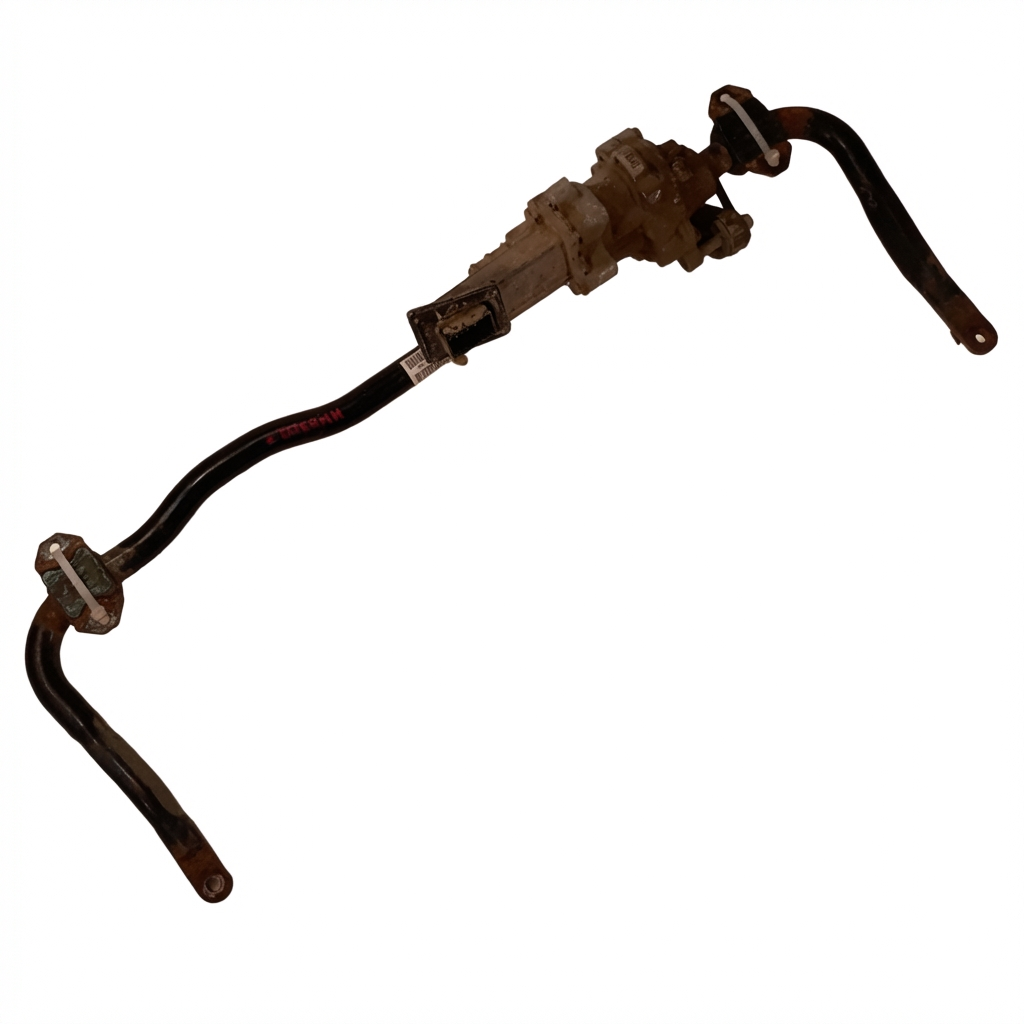
A used OEM stabilizer bar can be an excellent value, as the original factory part often uses high-quality solid steel with precise geometry. This can be a better choice than a cheap, new aftermarket bar which might be hollow or have slight variations in shape that affect handling.
What to Inspect on a Used Bar
- Rust: This is the main enemy. Avoid any bar with heavy, flaking scale rust or visible pitting. Surface rust can be cleaned and painted, but deep corrosion weakens the bar. A part from a dry, southern or western climate is always preferable to one from the "rust belt."
- Cracks: Carefully inspect the entire bar, paying close attention to bends and the areas where the end links mount. Any cracks, no matter how small, mean the bar is unsafe and should be rejected.
- Straightness: Look down the length of the bar to ensure it is not bent or twisted from a previous accident. Compare it to photos of a new part if you are unsure.
- Mileage vs. Condition: For a solid piece of steel like a stabilizer bar, the climate it lived in is far more important than the mileage on the vehicle it came from. A 50,000-mile bar from a snowy state could be in worse condition than a 150,000-mile bar from a dry state.
Pro Tip: Even if you buy a used stabilizer bar in excellent condition, always install it with new stabilizer bar bushings and new stabilizer bar end links. These are inexpensive wear items and are almost always the actual source of suspension clunks. Reusing old, compressed bushings or worn links will not solve your noise issue.
Related Parts to Replace
When servicing the stabilizer bar, it is highly recommended to replace the following components at the same time to ensure a complete and lasting repair:
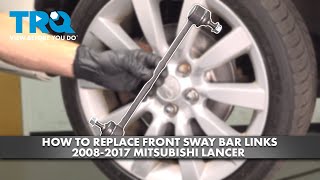
- Stabilizer Bar Links (End Links): These are the most frequent failure point in the system. They connect the ends of the stabilizer bar to the strut or control arm and have joints that wear out. They should always be replaced in pairs (left and right). 🎬 Watch: How to replace front sway bar links on a Mitsubishi
- Stabilizer Bar Bushings: These rubber or polyurethane bushings hold the stabilizer bar to the vehicle's subframe. They dry out, crack, and shrink over time, allowing the bar to move and make noise. They are inexpensive and essential for a quiet ride.
Cost Comparison for Stabilizer Bar System Repair
| Part / Service | Estimated Cost |
|---|---|
| New OEM Stabilizer Bar (Front or Rear) | $150 - $250+ |
| New Aftermarket Stabilizer Bar | $80 - $150 |
| Used OEM Stabilizer Bar | $50 - $120 |
| New Aftermarket End Links (Pair) | $25 - $60 |
| New Aftermarket Bushings (Pair) | $15 - $30 |
| Shop Labor (End Link Replacement) | $73 - $107 |
| Shop Labor (Bushing Replacement) | $116 - $170 |
| Shop Labor (Bar Replacement) | $150 - $250 |
Frequently Asked Questions (FAQ)
Is a clunking noise always from the stabilizer bar system?
No. While stabilizer links and bushings are very common culprits, clunking noises can also be caused by worn struts, bad ball joints, or loose control arm bushings. However, because the links are inexpensive and a frequent failure point, they are often the first part to check and replace when diagnosing a suspension clunk.
Do I need a wheel alignment after replacing a stabilizer bar or its links?
Generally, no. The stabilizer bar system does not affect the vehicle's primary alignment angles (camber, caster, and toe). Therefore, a wheel alignment is not required after this specific repair.
Can I just replace the one noisy link?
It is always recommended to replace stabilizer bar links in pairs (both left and right side on an axle). If one has failed due to age and wear, the other is likely not far behind. Replacing them together ensures balanced handling and prevents you from having to do the same job twice in the near future.
What are the torque specs for the stabilizer bar components?
While specific OEM specs should be confirmed in a service manual, typical torque values for stabilizer components are relatively low. End link nuts are often torqued to around 29 ft-lbs. The bolts for the stabilizer bar bushing brackets are typically in the 35-40 ft-lbs range. Over-tightening can damage the bushings or hardware.
Helpful Videos
Technical Specifications
OEM Part Numbers: MN101358 MN184121 MR589334 MR589335 MR589337
Fitment differs for Front vs. Rear axles and for FWD vs. AWD drivetrains on the rear axle.
We Have This Part in Stock


The information in this article is provided for general reference and educational purposes only. Vehicle specifications, procedures, and part compatibility can vary by production date, trim level, and region. Always consult your vehicle's factory service manual and verify part numbers before purchasing or performing repairs. Safety-critical components such as airbags, seat belts, and braking systems should be installed by a qualified professional.
- Mitsubishi Endeavor:
- 🎬 Helpful Videos
- 🛍️ Shop This Part
- Symptoms of a Failing Stabilizer Bar System
- Clunking or Knocking Noises
- Poor Handling and Body Roll
- Visible Wear and Damage
- Variant Differences: Front vs. Rear & FWD vs. AWD
- Buying a Used Stabilizer Bar
- What to Inspect on a Used Bar
- Related Parts to Replace
- Cost Comparison for Stabilizer Bar System Repair
- Frequently Asked Questions (FAQ)
- 🎟️ Get 5% Off