

2002-2006 Mazda MPV Stabilizer Bar: Fixing Clunks, Rattles, and Body Roll
Diagnose and fix the common clunking noises from your MPV's suspension by understanding how the stabilizer bar, its links, and its bushings fail.
- The most common failure is not the stabilizer bar itself, but the end links and bushings, which cause clunking noises over bumps.
- When replacing any part of the stabilizer bar system, always replace the end links and bushings with new parts to ensure a complete and lasting repair.
- A used OEM stabilizer bar is a great value, but inspect it for bends from accidents. The bar itself rarely fails from normal use.
- Replacing the stabilizer bar links and bushings is a DIY-friendly job and does not require a wheel alignment afterward.
Symptoms of Stabilizer Bar System Failure

When a stabilizer bar system wears out, it's usually not the bar itself that fails, but the components that connect it to the vehicle: the end links and the bushings. These parts are responsible for the most common and noticeable symptoms.
1. Clunking or Rattling Noises
The most frequent sign of a problem is a distinct clunking, knocking, or rattling sound coming from the front suspension. This noise is most apparent when driving at lower speeds over bumps, potholes, or uneven road surfaces. The sound occurs because the joints in the stabilizer bar end links have worn out, creating excessive play that allows metal parts to knock against each other. Worn frame bushings can also cause a similar noise as the bar moves around in its mounts.
2. Excessive Body Roll and Poor Handling
If the end links are broken or the bushings are severely worn, the stabilizer bar can no longer do its job effectively. You'll notice the MPV leans more heavily in turns, feeling 'floaty' or less responsive. This can compromise control, especially in emergency maneuvers or on winding roads. The steering may also feel loose or less precise.
3. Visible Wear or Damage
A visual inspection can often confirm the problem. Look for torn rubber boots on the end link joints, excessive rust, or obvious looseness. You can check for play by safely raising the front of the vehicle and trying to move the end links by hand. If there is any significant movement or clunking, they need to be replaced.
Pro Tip: A clunking noise from the front end can also be caused by other worn suspension parts like ball joints or tie rod ends. However, the stabilizer bar links are the most common culprit for these specific symptoms on many vehicles, including the MPV.
Known Issues, TSBs, and Recalls for 2002-2006 Mazda MPV
While the stabilizer bar system is a common wear item, there are no specific Technical Service Bulletins (TSBs) or recalls issued by the National Highway Traffic Safety Administration (NHTSA) for the stabilizer bar, links, or bushings on the 2002-2006 Mazda MPV. Forum discussions among owners confirm that popping and clunking from worn front sway bar links is a frequent and well-known issue for this generation of MPV.
Recalls for this vehicle generation primarily concern airbag inflators, cruise control cables, and fog lights.
Buying a Used 2002-2006 Mazda MPV Stabilizer Bar

The stabilizer bar itself is a solid piece of steel and rarely fails, breaks, or wears out. For this reason, a used OEM stabilizer bar is an excellent, cost-effective option if your original bar has been bent in an accident or is severely corroded.
What to Inspect on a Used Bar:
- Straightness: Look down the length of the bar to check for any bends or twists. A bent bar will not function correctly and indicates it came from a vehicle involved in a significant collision.
- Corrosion: Surface rust is normal, but avoid bars with deep, flaking rust that compromises the metal's integrity. Pay close attention to the areas where the bushings and end links mount.
- Mounting Points: Ensure the mounting surfaces are clean and free of damage.
Warning: Never reuse the old end links or bushings that may come with a used stabilizer bar. These are wear items and are almost certainly at the end of their service life. Always install a used stabilizer bar with new end links and new frame bushings to ensure proper function and a long-lasting repair.
Why Used OEM is a Smart Choice
Choosing a used OEM stabilizer bar over a new aftermarket one ensures you get the exact specifications for your vehicle. The diameter, shape, and steel composition of the OEM bar were designed by Mazda to provide a specific balance of comfort and handling. Some cheap aftermarket bars may not have the same stiffness, potentially altering your vehicle's ride characteristics.
Related Parts That Commonly Fail

When servicing the stabilizer bar, it is highly recommended to replace the related components at the same time. The failure of these parts is far more common than the failure of the bar itself.
- Stabilizer Bar End Links: These are the number one failure point in the system. They connect the ends of the stabilizer bar to the suspension struts or control arms. They have small ball joints that wear out, causing clunking. They should always be replaced in pairs (both left and right).
- Stabilizer Bar Bushings: These rubber or polyurethane grommets mount the stabilizer bar to the vehicle's subframe. They wear out over time, allowing the bar to move and clunk against the frame. They are inexpensive and should be replaced whenever the bar is removed.
Cost Comparison for Stabilizer Bar System Repair
The total cost of repair depends heavily on whether you are replacing just the wear items (links and bushings) or the entire bar assembly.
| Part | New OEM Price | New Aftermarket Price | Used OEM Price | Shop Labor Cost |
|---|---|---|---|---|
| Front Stabilizer Bar | $120 - $160 | $70 - $110 | $40 - $80 | $50 - $150 |
| Front End Links (Pair) | $80 - $120 | $20 - $50 | Not Recommended | |
| Front Bushings (Pair) | $20 - $30 | $10 - $20 | Not Recommended |
Replacement Overview and Torque Specs

Replacing the front stabilizer bar components on a 2002-2006 MPV is a straightforward job for a DIY mechanic with basic tools.
- Raise and safely support the front of the vehicle on jack stands.
- Remove the front wheels.
- Remove the nuts connecting the old stabilizer bar links to the strut and the stabilizer bar. You may need a wrench to hold the stud on the back side to keep it from spinning.
- Remove the two bolts on each of the two frame bushing brackets holding the stabilizer bar to the subframe.
- Maneuver the old bar out of the vehicle.
- Installation is the reverse of removal. Install new bushings and links. 🎬 Watch this guide to see how front sway bar links are replaced. Lightly grease the inside of the new bushings before installing them on the bar.
Important Torque Specs:
- Stabilizer Bar Bushing Bracket Bolts: 45 ft-lbs.
- Stabilizer Bar End Link Nuts: Tighten until the bushings compress slightly. One source suggests tightening until 13mm (about 1/2 inch) of thread is visible above the nut. Over-tightening can damage the new bushings. For ball-joint style links, a typical torque is 35-50 ft-lbs, but always follow the manufacturer's specification included with the new part.
Pro Tip: An alignment is generally not necessary after replacing the stabilizer bar, links, or bushings, as these parts do not affect the primary alignment angles (camber, caster, toe).
Frequently Asked Questions (FAQ)
Can I just replace the clunking end link instead of both?
It is strongly recommended to replace end links in pairs. If one has failed due to age and wear, the other is likely not far behind. Replacing both at the same time ensures balanced handling and prevents you from having to do the same job again in a few months.
Is a clunking stabilizer bar link dangerous to drive with?
While a clunking link is not an immediate critical safety failure, it should be addressed promptly. A worn or broken link compromises your vehicle's stability and ability to handle emergency maneuvers. If the link breaks completely, the vehicle's handling could change suddenly, and the loose parts could potentially interfere with other suspension or braking components.
What's the difference between the front and rear stabilizer bars?
Most vehicles, including the MPV, have both front and rear stabilizer bars. They perform the same function but are shaped differently and are not interchangeable. The front bar is typically larger and more robust as it manages more weight and force during turns. The symptoms of failure are the same for both, but the noise will come from the respective end of the vehicle.
Do I need special tools to replace the stabilizer bar links?
No, typically you only need a standard set of sockets and wrenches. A torque wrench is essential for tightening the fasteners correctly. Sometimes, the stud on the end link's ball joint will spin as you try to loosen the nut. In this case, you will need a wrench (often a thin one) or an Allen key to hold the stud while you turn the nut.
Helpful Videos
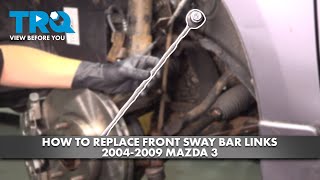
Technical Specifications
OEM Part Numbers: LD47-34-151 LD47-34-151A
Front Stabilizer Bar Bushing Bracket Bolt Torque: 45 ft-lbs

The information in this article is provided for general reference and educational purposes only. Vehicle specifications, procedures, and part compatibility can vary by production date, trim level, and region. Always consult your vehicle's factory service manual and verify part numbers before purchasing or performing repairs. Safety-critical components such as airbags, seat belts, and braking systems should be installed by a qualified professional.
- Mazda MPV:
- 🎬 Helpful Videos
- Symptoms of Stabilizer Bar System Failure
- 1. Clunking or Rattling Noises
- 2. Excessive Body Roll and Poor Handling
- 3. Visible Wear or Damage
- Known Issues, TSBs, and Recalls for 2002-2006 Mazda MPV
- Buying a Used 2002-2006 Mazda MPV Stabilizer Bar
- What to Inspect on a Used Bar:
- Why Used OEM is a Smart Choice
- Related Parts That Commonly Fail
- Cost Comparison for Stabilizer Bar System Repair
- Replacement Overview and Torque Specs
- Important Torque Specs:
- Frequently Asked Questions (FAQ)
- 🎟️ Get 5% Off