

2002-2010 Lexus SC430 Stabilizer Bar: Fixing Suspension Clunks and Rattles
This guide covers the real cause of stabilizer system noises in the Lexus SC430—worn bushings and links—and how to diagnose and repair the issue.
- Suspension clunks on the SC430 are almost always caused by worn stabilizer bar bushings and end links, not the bar itself.
- Replacing the bushings and links is an affordable and effective DIY-friendly repair that restores handling and eliminates noise.
- When installing new bushings, it is critical to tighten the final bolts only after the car's full weight is back on the suspension to prevent premature wear.
- A used OEM stabilizer bar is a great value if your original is bent, but always pair it with new bushings and end links.
Symptoms of a Failing Stabilizer Bar System


On the 2002-2010 Lexus SC430, the stabilizer bar itself is a robust piece of steel that rarely fails. The symptoms people notice are almost always caused by the failure of the supporting components: the rubber bushings that mount the bar to the car's frame and the end links that connect the bar to the suspension.
Clunking, Knocking, or Rattling Noises
This is the most common symptom. Owners typically report a metallic clunking or knocking sound coming from the front or rear of the car, especially at low speeds over bumps, uneven pavement, or when entering driveways. This noise occurs because the worn-out rubber bushings or loose end link joints allow the heavy steel stabilizer bar to move and knock against the chassis or other suspension parts.
Creaking or Squeaking Sounds
A creaking noise, particularly when driving over uneven surfaces, often points to deteriorated front sway bar bushings. The rubber can dry out and harden, causing it to creak against the metal bar as the suspension moves. This can sometimes be temporarily fixed by lubricating the bushings, but replacement is the permanent solution.
Reduced Handling and Stability
If the links or bushings are significantly worn, you may notice excessive body roll when cornering, making the car feel less stable and more 'wallowy'. The steering might also feel loose or less responsive than usual. This happens because the worn parts can no longer effectively transfer force to resist body roll.
Known Issues, TSBs, and Recalls

There are no specific recalls or Technical Service Bulletins (TSBs) from Lexus for the stabilizer bars, bushings, or end links on the 2002-2010 SC430. However, the clunking noise caused by worn bushings and links is a widely documented common issue in owner forums and repair databases. Early production models had a TSB (SU003-02) for a popping sound from the front suspension that required re-torquing the stabilizer bolts.
Important Recall Note: While there are no recalls for the suspension stabilizer bar, all 2002-2010 Lexus SC430 models were part of the massive Takata airbag inflator recalls. An inflator rupture could cause serious injury or death. It is critical to verify with a Lexus dealer or through the NHTSA website that this free recall repair has been performed on any vehicle you own or are considering purchasing.
Buying a Used Stabilizer Bar
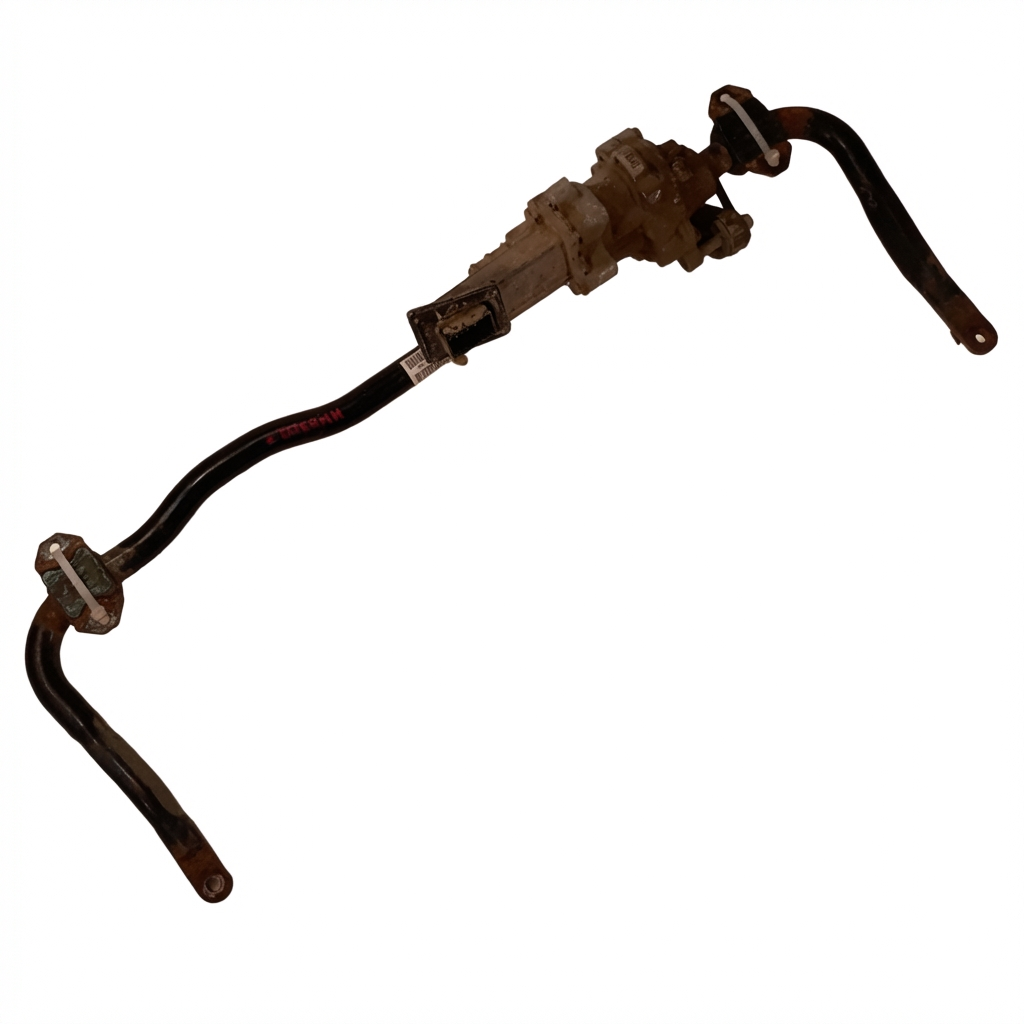
Since the stabilizer bar is a solid piece of metal, buying a used OEM bar is a very practical and cost-effective option, especially if your original bar was bent in an accident or is severely corroded. The bar itself has no internal moving parts and does not wear out from mileage.
What to Inspect on a Used Bar:
- Straightness: Look down the length of the bar to ensure it is not bent or twisted. Any deformation will negatively affect your car's handling.
- Corrosion: Check for heavy rust or pitting, especially around the areas where the bushings sit and where the end links connect. Surface rust is often acceptable, but deep, flaking rust can weaken the bar.
- Mounting Points: Ensure the ends of the bar and the splines (if applicable) are in good condition and not stripped or damaged.
Pro Tip: Assume you will need to replace the bushings and end links. Even if a used bar comes with them, they are inexpensive wear items. Pairing a quality used OEM bar with new, high-quality bushings and end links gives you the best of both worlds: the strength of an OEM part and the fresh performance of new wear components.
OEM vs. Aftermarket
A used OEM stabilizer bar is often superior to a cheap, new aftermarket bar. OEM bars are made from high-quality spring steel, engineered with a specific torsional stiffness (spring rate) to match the SC430's suspension dynamics. Some low-cost aftermarket bars may not have the correct dimensions or stiffness, which can compromise handling and stability.
Cost Comparison
The most common repair is replacing the bushings and/or end links, not the entire bar. The costs below reflect this reality.
| Part or Service | Estimated Cost |
|---|---|
| New OEM Stabilizer Bar (Front or Rear) | $160 - $250+ (Bar only) |
| Used OEM Stabilizer Bar | $50 - $150 |
| New Aftermarket Stabilizer Bar Bushings (Set) | $20 - $40 |
| New OEM Stabilizer Bar Bushings (Set) | $40 - $55 |
| New Aftermarket Stabilizer End Links (Pair) | $50 - $100 |
| New OEM Stabilizer End Links (Pair) | ~$200 |
| Shop Labor: Bushing Replacement | $101 - $148 |
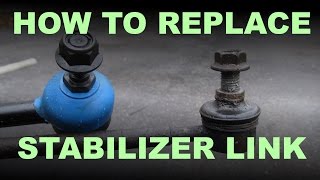
| Shop Labor: End Link Replacement | 🎬 Watch this step-by-step sway bar link replacement guide$61 - $90 |
Replacement and Installation Tips
Replacing the stabilizer bar bushings and end links is a feasible DIY project for those with basic tools and jack stands. The difficulty is generally low to moderate.
Key Procedures & Torque Specs
- Work on Level Ground: Always raise the entire front or rear of the car and support it on jack stands. Trying to replace a link with only one wheel off the ground will put the bar under tension, making removal and installation very difficult.
- Lubricate New Bushings: When installing new rubber or polyurethane bushings, apply a silicone-based grease to the inside surface where the bar sits. This prevents squeaking and allows the bar to rotate freely.
- Final Torque Under Load: This is the most critical step. Leave the bushing bracket bolts and end link nuts slightly loose until the car is back on the ground or on ramps. With the full weight of the vehicle on the suspension, tighten all bolts to their final torque specifications. This prevents pre-loading the bushings, which can cause premature failure and binding.
- Torque Values: While specific SC430 specs are elusive, similar Lexus models use around 25-37 ft-lbs for the bushing bracket bolts and 55 ft-lbs for the end link nuts. Always confirm the correct spec for your specific part and vehicle if possible.
Related Parts to Replace

When you're addressing a clunk from the stabilizer bar system, it's best practice to replace the related wear items at the same time.
- Stabilizer Bar Bushings: The rubber mounts holding the bar to the subframe. If one is bad, the others are likely not far behind.
- Stabilizer Bar End Links: These connect the bar to the lower control arms or struts. They have small joints that wear out, causing looseness and noise.
Technical Specifications and Part Numbers
| Part | OEM Part Number(s) | Notes |
|---|---|---|
| Front Stabilizer Bar | 48811-24130, 48811-30600 | Fits all 2002-2010 SC430 models. |
| Rear Stabilizer Bar | 48812-24110, 48812-24120 | Fits all 2002-2010 SC430 models. |
| Front Stabilizer Bushing | 48815-30520, 48815-24090 | Check diameter if using aftermarket. |
| Rear Stabilizer Bushing | 48818-53030, 48818-30120 | Check diameter if using aftermarket. |
Frequently Asked Questions (FAQ)
Do I need to replace the whole stabilizer bar or just the bushings and links?
In nearly all cases, you only need to replace the bushings and end links. The bar itself is a solid piece of steel and should only be replaced if it's bent from an accident or severely corroded.
Can I drive with a bad stabilizer bar link?
Yes, but it's not recommended for long. While the car is drivable, your handling will be compromised, with more body roll in turns and less stability. The clunking noise is also a sign that a part is loose, which could lead to further wear on other suspension components.
What's the difference between rubber and polyurethane (poly) bushings?
OEM bushings are made of rubber for a quiet, comfortable ride. Aftermarket polyurethane bushings are stiffer, providing a more direct handling feel and less deflection, but they can sometimes be noisier and require periodic re-greasing to prevent squeaks.
Do I need a wheel alignment after replacing stabilizer bar components?
No. Replacing the stabilizer bar, its bushings, or its end links does not affect the car's primary alignment angles (camber, caster, or toe). A wheel alignment is not necessary after this specific repair.
Helpful Videos
Technical Specifications
OEM Part Numbers: 48811-24130 48811-30600 4881124130 48812-24110 48812-24120 4881224120 4881224110
Front Bushing Inner Diameter: 25.0 MM (0.98 IN). Rear Bushing Inner Diameter: 13mm.
We Have This Part in Stock

The information in this article is provided for general reference and educational purposes only. Vehicle specifications, procedures, and part compatibility can vary by production date, trim level, and region. Always consult your vehicle's factory service manual and verify part numbers before purchasing or performing repairs. Safety-critical components such as airbags, seat belts, and braking systems should be installed by a qualified professional.
- Lexus SC430:
- 🎬 Helpful Videos
- 🛍️ Shop This Part
- Symptoms of a Failing Stabilizer Bar System
- Clunking, Knocking, or Rattling Noises
- Creaking or Squeaking Sounds
- Reduced Handling and Stability
- Known Issues, TSBs, and Recalls
- Buying a Used Stabilizer Bar
- What to Inspect on a Used Bar:
- OEM vs. Aftermarket
- Cost Comparison
- Replacement and Installation Tips
- Key Procedures & Torque Specs
- Related Parts to Replace
- Technical Specifications and Part Numbers
- Frequently Asked Questions (FAQ)
- 🎟️ Get 5% Off