

1986-1992 Mazda Bongo & Ford Econovan 4WD Front Spindle Knuckle: Diagnosis and Replacement
A complete guide to diagnosing noises, vibrations, and steering problems related to the front spindle knuckle on your 4WD Bongo or Econovan.
- This front spindle knuckle is ONLY for 1986-1992 4WD models of the Mazda Bongo and Ford Econovan; 2WD parts are not compatible.
- Failure is almost always caused by impact (hitting a curb) or extreme rust. Symptoms like noise and vibration are often from the wheel bearing or ball joints housed within the knuckle.
- When buying a used knuckle, inspect it carefully for cracks and damage, but always plan to replace the wheel bearing, hub, and ball joints.
- A professional wheel alignment is mandatory immediately after replacing a spindle knuckle to ensure safety and prevent tire damage.
Symptoms of a Failing Spindle Knuckle
A spindle knuckle itself is a solid piece of metal and typically only fails from a major impact, like hitting a curb or a deep pothole, or from extreme corrosion. However, the parts it holds—the wheel bearing and ball joints—are common wear items. Often, symptoms blamed on the knuckle are actually caused by these related parts. Here’s what to look and listen for:
- Clunking or Popping Noises: Sharp clunking or popping sounds, especially during low-speed turns like pulling into a parking spot, often point to a worn ball joint connected to the knuckle.
- Grinding or Humming Noise: A constant grinding, humming, or roaring noise that gets louder with vehicle speed is a classic sign of a bad wheel bearing, which is pressed into the knuckle. This noise may change pitch when you swerve from side to side.
- Vehicle Pulls to One Side: If your van pulls to one side even after a proper wheel alignment, the knuckle on that side could be bent. This throws off the camber and toe angles that an alignment can't correct.
- Uneven or Rapid Tire Wear: A bent knuckle will cause the wheel to be misaligned, resulting in rapid wear on the inner or outer edge of a single tire.
- Vibrating or Loose Steering Wheel: A feeling of looseness or vibration in the steering wheel can be caused by a worn wheel bearing or ball joint connected to the knuckle.
- Steering Wheel Off-Center: If you have to hold the steering wheel at an angle to drive straight, a bent knuckle could be the cause.
Pro Tip: To help distinguish between a bad wheel bearing and other issues, safely jack up the front wheel and try to shake it. With your hands at the 12 and 6 o'clock positions, push and pull. If you feel play or a clunking, it's likely a bad wheel bearing or ball joint. 🎬 Watch: How to 100% diagnose a bad wheel bearing If you feel play when shaking the wheel at the 3 and 9 o'clock positions, it could also indicate a worn tie rod end.
Buying a Used Spindle Knuckle for Your Bongo or Econovan
Given the age of these vehicles, finding a new OEM spindle knuckle is nearly impossible. A used, recycled OEM part is the most practical and often only solution. Aftermarket support is also very limited. When buying a used knuckle, a thorough inspection is critical.
Warning: This part is for 4WD models only and is side-specific (Left/Driver Side vs. Right/Passenger Side). A 2WD knuckle will not have the large opening for the CV axle and will not fit. Always verify you are buying the correct part for your vehicle's drivetrain and side.
Inspection Checklist for a Used Knuckle:
- Check for Cracks: Carefully inspect the entire casting for hairline cracks, especially around the mounting points for the ball joints, tie rod, and brake caliper. Pay close attention to the area where the spindle shaft meets the main body.
- Inspect Mounting Holes: Check the tapered holes for the ball joints and tie rod end. They should be perfectly round, not worn into an oval shape or distorted. Damaged tapers will prevent the new joints from seating correctly.
- Examine Threaded Holes: Make sure the threaded holes for the brake caliper bracket and any sensor mounts are clean and not stripped or cross-threaded.
- Look for Impact Damage: Any signs of bending, heavy gouges, or warping indicate the knuckle was likely damaged in a collision and should be rejected.
- Assume Bearings and Joints are Bad: Do not trust the condition of any wheel bearing or ball joints that come with a used knuckle. Plan on replacing the wheel bearing, hub, and seals as part of the installation process. These are wear items and it's cost-effective to replace them while the knuckle is off the vehicle.
Known Issues & Related Repairs for This Generation
While specific issues with the spindle knuckles on 1986-1992 Mazda Bongos and Ford Econovans are not widely documented, owners of these vans frequently report problems with general suspension wear and corrosion. When you are working on the front knuckle, it's a perfect time to inspect the entire front suspension.
- Rust: These vans are known for significant rust issues, especially on the chassis and suspension components. Expect bolts to be seized and budget extra time for removal. Use plenty of penetrating oil. 🎬 Watch: Mazda Bongo suspension replacement walkthrough
- Suspension Bushings: Worn sway bar bushings and links are a common source of front-end knocking sounds over bumps. These are inexpensive and relatively easy to replace.
- Shock Absorbers: Leaking or worn-out front shock absorbers can cause a bouncy ride and poor handling.
Cost to Replace a Front Spindle Knuckle
Replacing a spindle knuckle is a labor-intensive job. The total cost will depend on shop labor rates and what other parts are replaced at the same time.
| Part or Service | Estimated Cost (Per Side) |
|---|---|
| New OEM Part | null (Likely NLA - No Longer Available) |
| New Aftermarket Part | $100 - $250 (Very limited availability) |
| Used OEM Part | $75 - $200 |
| Shop Labor | $250 - $500 (2-4 hours) |
| Mandatory Wheel Alignment | $100 - $200 |
| Related Part: Wheel Bearing/Hub | $50 - $150 |
| Related Part: Ball Joints (Upper/Lower) | $40 - $100 |
Costs are estimates and may vary based on location, supplier, and vehicle condition. Rust can significantly increase labor time and cost.
Related Parts to Replace at the Same Time
To avoid doing the same job twice, it is highly recommended to inspect and likely replace the following parts when the spindle knuckle is removed:
- Wheel Bearing and Hub Assembly: The bearing is pressed into the knuckle and requires special tools to replace. It's mandatory to install a new one with a replacement knuckle.
- Axle Seals: Replace the inner and outer seals to prevent dirt and water from damaging the new bearing and CV axle.
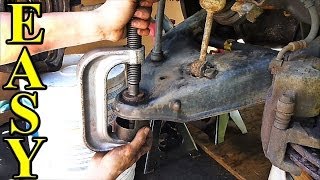
- Ball Joints: The knuckle connects to the control arms via upper and lower ball joints. They must be pressed out of the old knuckle and into the new one, making this the perfect time for replacement. 🎬 See this guide: How to replace ball joints on your vehicle
- Tie Rod End: This connects the knuckle to the steering rack. Inspect it for play and replace if necessary.
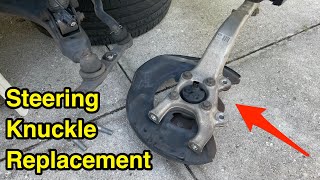
Special Tools & Procedures: Replacing a spindle knuckle requires a ball joint separator ('pickle fork' or press), a heavy-duty jack and jack stands, and potentially a hydraulic press for the wheel bearing. Torque specifications for the axle nut, ball joints, and caliper bolts are critical for safety. These specs are found in the factory service manual (FSM). An alignment is always required after replacement.
Frequently Asked Questions (FAQ)
Can I use a 2WD knuckle on my 4WD Bongo or Econovan?
No. The 4WD knuckle is designed with a large hole through its center for the front drive axle (CV axle) to pass through. A 2WD knuckle is solid in this area and will not work on a 4WD model.
Is a wheel alignment really necessary after replacing a knuckle?
Yes, it is absolutely mandatory. The spindle knuckle is the primary component that determines your front wheels' alignment angles (camber, caster, and toe). Replacing it will alter these settings, and driving without an alignment will cause poor handling and destroy your tires very quickly.
My van makes a grinding noise when I drive. Is it the knuckle?
The knuckle itself does not make noise. A grinding or humming noise that changes with speed is almost always a bad wheel bearing, which is housed inside the knuckle. While the knuckle may be fine, you will need to remove it from the vehicle to press out the old bearing and install a new one.
Is it better to buy a used knuckle that comes with the hub and bearing?
While it might seem convenient, you should always assume the bearing and ball joints on a used knuckle are at the end of their service life. It is safest and most cost-effective in the long run to press out the old components and install a new wheel bearing, hub, and ball joints into the bare used knuckle before installation.
Helpful Videos

Technical Specifications
Material: Cast Iron or Steel. Drivetrain: 4WD Only. Side: Left (Driver) and Right (Passenger) specific parts.
We Have This Part in Stock


The information in this article is provided for general reference and educational purposes only. Vehicle specifications, procedures, and part compatibility can vary by production date, trim level, and region. Always consult your vehicle's factory service manual and verify part numbers before purchasing or performing repairs. Safety-critical components such as airbags, seat belts, and braking systems should be installed by a qualified professional.
- Mazda Bongo:
- Ford Econovan:
- 🎬 Helpful Videos
- 🛍️ Shop This Part
- Symptoms of a Failing Spindle Knuckle
- Buying a Used Spindle Knuckle for Your Bongo or Econovan
- Inspection Checklist for a Used Knuckle:
- Known Issues & Related Repairs for This Generation
- Cost to Replace a Front Spindle Knuckle
- Related Parts to Replace at the Same Time
- Frequently Asked Questions (FAQ)
- 🎟️ Get 5% Off