

2014-2015 Chevrolet Caprice Front Knuckle: Diagnosing Clunks, Pulling, and Alignment Issues
This in-depth guide covers symptoms, known issues, and replacement costs for the front spindle knuckle on the 2014-2015 Chevrolet Caprice PPV.
- A bad knuckle is rare and usually caused by impact damage. Clunks and noises are more likely from worn control arm bushings, sway bar links, or loose ball joint nuts (see TSB 15019).
- Symptoms of a truly bad knuckle include persistent pulling after an alignment and severe, uneven wear on a single tire.
- A wheel alignment is mandatory after replacement. Failure to do so will result in poor handling and destroy your tires.
- Due to high OEM cost and scarce aftermarket options, a verified good used OEM knuckle is often the best value.
Symptoms of a Failing Spindle Knuckle


The spindle knuckle is a very durable component that typically only fails due to a significant impact (like hitting a curb or large pothole) or from collateral damage during other repairs. The symptoms of a bad knuckle can often be mistaken for other, more common suspension problems. Pay attention to these specific signs:
- Persistent Vehicle Pulling: If your car pulls to one side even after a professional wheel alignment, it may indicate a bent knuckle that is preventing the alignment from being set correctly.
- Uneven Tire Wear: A bent knuckle changes the camber or caster angles, causing the inside or outside edge of one specific tire to wear out much faster than the others.
- Clunking or Popping Noises: While turning at low speeds, like in a parking lot, you might hear clunking, popping, or grinding sounds. This can be caused by cracks in the knuckle or worn mounting points where other parts connect.
- Vibrating or Loose Steering Wheel: A vibration that you can feel in the steering wheel, especially at highway speeds, can be a sign of a compromised knuckle or a failing wheel bearing housed within it.
Is It the Knuckle or Something Else?
Front-end noises on the 2014-2015 Caprice PPV (and the related Holden Commodore platform) are more commonly caused by other components. Before condemning the knuckle, inspect these parts first:
- Lower Control Arm Bushings: Worn front lower control arm bushings are a very common issue on this platform, causing vibration, clunking, and unwanted steering changes.
- Sway Bar Links: Worn sway bar end links are a frequent source of rattling or clunking noises when going over bumps.
- Ball Joints & Tie Rods: Looseness in the ball joints or tie rod ends will create play in the steering and can cause clunking sounds.
Known Issues, TSBs, and Recalls

Technical Service Bulletin (TSB) 15019: Front Suspension Clunk/Rattle
For the 2014-2015 Caprice, GM issued a bulletin regarding a clunk or rattle noise from the front suspension. The cause was identified as under-torqued front lower control arm rear link ball joint nuts. The fix involves re-torquing these nuts to the correct specification. If you are experiencing a front-end clunk, this should be one of the first things you check, as it is a simple and known issue.
Related Steering Recalls
While there are no recalls for the spindle knuckle itself, these vehicles were subject to several important recalls for the electric power steering (EPS) system. Corrosion in the steering gear's electrical connectors could cause a sudden loss of power steering assist. This would make the vehicle difficult to steer at low speeds. Owners can check with a Chevrolet dealer or use their VIN on the NHTSA website to see if their vehicle was affected and if the recall work was completed.
Pro Tip: When diagnosing a suspected bad knuckle, have a mechanic perform a thorough suspension inspection. They can check for play in all related components and use alignment equipment to measure camber, caster, and toe angles, which can quickly reveal if a knuckle is bent out of specification.
Buying a Used Spindle Knuckle
Given the high cost of a new OEM knuckle and the scarcity of quality aftermarket options for the Caprice PPV, a used OEM knuckle from a reputable recycler is often the most practical and cost-effective solution. Since these parts are very durable, a used knuckle that has not been in a collision is an excellent choice.
What to Inspect:
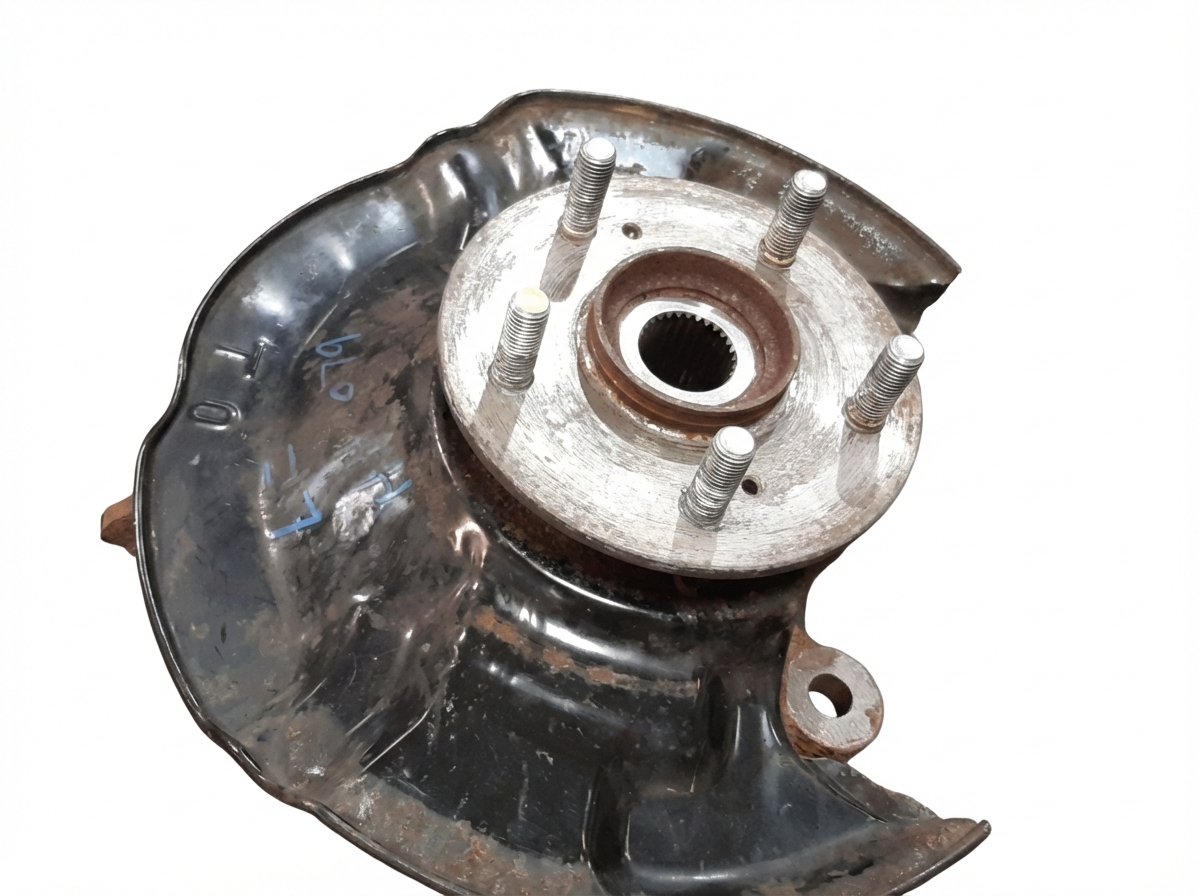
- Check for Cracks or Bends: Carefully inspect the entire part, especially around the mounting holes for the ball joints, tie rod, and strut. Look for any visible cracks, stress marks, or signs of it being bent. Compare it to a picture of a new part if possible.
- Inspect the Wheel Bearing Bore: The large, machined hole where the wheel bearing/hub assembly sits must be perfectly round and smooth. Look for deep scoring, gouges, or an oval shape. This kind of damage often happens when a seized wheel bearing is hammered or pressed out, which ruins the knuckle.
- Examine Mounting Surfaces: Ensure all mounting surfaces and bolt holes are clean and free of damage. Deformed or oval-shaped bolt holes for the strut or brake caliper bracket are a major red flag.
- Verify Part Numbers: Match the OEM part number if possible. The primary numbers for this vehicle include 92257920, 92283831, 92283833, and 92285637.
- Mileage and Vehicle History: Mileage is not a primary concern for a solid metal part like a knuckle. The vehicle's history is more important. A part from a vehicle that was not in a front-end collision is ideal.
Replacement Cost Breakdown
Replacing a spindle knuckle involves significant labor, and a wheel alignment is mandatory afterward. Prices can vary by location and shop.
| Part / Service | Estimated Cost | Notes |
|---|---|---|
| New OEM Part | $490 - $780 | Genuine GM parts are costly but guarantee perfect fitment. |
| New Aftermarket Part | $150 - $350+ | Availability for the Caprice PPV is limited. Quality can vary greatly. |
| Used OEM Part | $75 - $200 | A cost-effective and reliable option if properly inspected. |
| Shop Labor | $180 - $350 | Typically 2-3 hours of labor per side. Can be more if bolts are seized. |
| Wheel Alignment | $100 - $200 | Mandatory after knuckle replacement. |
| Total Estimated Cost | $355 - $1330+ | Total cost depends heavily on the source of the part. |
Installation Tips and Torque Specs
Replacing the knuckle is a job for an experienced DIYer or a professional. It requires safely lifting the vehicle, disassembling the brake and suspension components, and having the right tools, including a torque wrench. Many of the fasteners on this suspension are Torque-to-Yield (TTY), meaning they are designed for one-time use and should be replaced.
Warning: Many bolts, especially the strut-to-knuckle bolts, use a torque-plus-angle specification. This is critical for safety and must be followed precisely. Re-using old TTY bolts can lead to them loosening or breaking.
| Component | Torque Specification | Notes |
|---|---|---|
| Strut-to-Knuckle Bolts (Clevis Bolts) | 59 lb-ft + 180 degrees | Use new bolts. |
| Lower Control Arm Ball Joint Nut | 18 lb-ft + 120 degrees | |
| Outer Tie Rod End to Knuckle Nut | 22 lb-ft + 120 degrees | |
| Wheel Hub/Bearing to Knuckle Bolts | 79 lb-ft | |
| Brake Caliper Bracket to Knuckle Bolts | 44 lb-ft + 90 degrees | |
| Axle Nut | 118 lb-ft | |
| Wheel Lug Nuts | 120-140 lb-ft | Tighten in a star pattern. |
Frequently Asked Questions (FAQ)
Can I just replace the wheel bearing instead of the whole knuckle?
Yes, the wheel bearing/hub assembly is a separate, bolt-on part. However, if the bearing has completely seized, it can be extremely difficult to remove. In some cases, the force required can damage the knuckle, necessitating the replacement of both parts. Also, if the knuckle is bent from an impact, replacing only the bearing will not solve the resulting alignment or tire wear issues.
Is a wheel alignment really necessary after replacing a knuckle?
Absolutely. The knuckle is the central component that determines your front wheel alignment angles. Replacing it will always alter the alignment. Skipping the alignment will cause poor handling, crooked steering wheel, and rapid tire wear.
What's the difference between a spindle and a steering knuckle?
The terms are often used interchangeably, but there's a technical difference. A 'spindle' is a shaft that the wheel bearing rides on, common in older rear-wheel-drive cars and trucks. A 'knuckle' is a component with a hole that a sealed, bolt-in hub/bearing assembly fits into, which is what the 2014-2015 Caprice uses. For this vehicle, 'knuckle' is the more accurate term.
My front end clunks over bumps. Is it the knuckle?
It's possible, but unlikely to be the first cause. On the Caprice PPV and related vehicles, the most common sources of clunking are worn sway bar links, worn lower control arm bushings, or the loose ball joint nuts described in TSB 15019. Always diagnose these less expensive and more common failure points before assuming the knuckle is bad.
Technical Specifications
OEM Part Numbers: 92257920 92283831 92283833 92285637
Material: Cast Aluminum or Iron. Houses a bolt-in style wheel hub bearing assembly.
We Have This Part in Stock


The information in this article is provided for general reference and educational purposes only. Vehicle specifications, procedures, and part compatibility can vary by production date, trim level, and region. Always consult your vehicle's factory service manual and verify part numbers before purchasing or performing repairs. Safety-critical components such as airbags, seat belts, and braking systems should be installed by a qualified professional.
- Chevrolet Caprice:
- 🛍️ Shop This Part
- Symptoms of a Failing Spindle Knuckle
- Is It the Knuckle or Something Else?
- Known Issues, TSBs, and Recalls
- Technical Service Bulletin (TSB) 15019: Front Suspension Clunk/Rattle
- Related Steering Recalls
- Buying a Used Spindle Knuckle
- What to Inspect:
- Replacement Cost Breakdown
- Installation Tips and Torque Specs
- Frequently Asked Questions (FAQ)
- 🎟️ Get 5% Off