

1998-2000 Toyota Sienna Speedometer: Fixing a Dead or Erratic Gauge Cluster
Your guide to diagnosing common cluster failures, finding the right used part, and understanding the simple, no-programming-required replacement.
- The vehicle's mileage is stored in the instrument cluster; swapping it will display the mileage from the donor car.
- No programming or dealer visit is required for a replacement cluster on a 1998-2000 Sienna; it is a plug-and-play part.
- You must match the replacement cluster to your vehicle's trim level (with or without a tachometer).
- Always rule out a faulty Vehicle Speed Sensor (VSS), a common and separate issue, before replacing the entire cluster.
Symptoms of a Failing Instrument Cluster

When the instrument cluster in a first-generation Toyota Sienna begins to fail, it can cause a range of confusing issues. Because the speedometer and odometer are the most common points of failure, it's important to distinguish between a bad cluster and a bad sensor.
- Dead or Erratic Speedometer: The speedometer needle may not move at all, get stuck at a certain speed, or jump around erratically. This is the most common failure symptom.
- Odometer Display Failure: The digital odometer that shows the vehicle's mileage may go blank, become dim, or show garbled characters.
- Intermittent Gauge Operation: Gauges may work sometimes and not others, often influenced by temperature or vehicle vibrations.
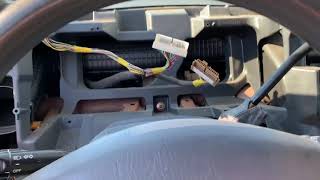
- Backlight Failure: The bulbs that illuminate the gauges for night driving can burn out, leaving parts or all of the cluster dark. This is often a simple bulb replacement issue, not a cluster failure. 🎬 Watch this step-by-step Sienna gauge cluster bulb replacement guide
- Multiple Gauges Fail at Once: If the speedometer, tachometer, and temperature gauge all stop working simultaneously, it often points to an electrical issue within the cluster or its power supply.
Diagnosing the Problem: Cluster vs. Speed Sensor

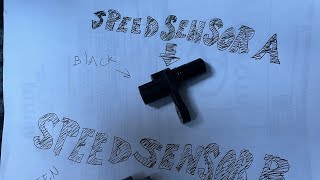
Before condemning the instrument cluster, it's crucial to rule out the Vehicle Speed Sensor (VSS). A faulty VSS is a very common cause of a non-working speedometer and can also affect cruise control operation.
- Check for OBD-II Codes: A faulty VSS will often trigger the Diagnostic Trouble Code (DTC) P0500 - Vehicle Speed Sensor 'A' Malfunction. If this code is present, the VSS is the most likely culprit.
- Inspect Fuses and Wiring: Check the fuses related to the instrument panel and gauges. A simple blown fuse can cause the entire cluster to lose power. Also, inspect the wiring to the VSS on the transmission for any visible damage or corrosion.
- Test Cruise Control: If the speedometer isn't working but the cruise control still functions, the problem is more likely to be within the instrument cluster itself, as the cruise control module often gets its speed signal before the cluster. Conversely, if both fail simultaneously, it points more strongly toward the VSS.
If the fuses are good, no VSS codes are present, and wiring appears intact, the instrument cluster is the most probable cause of the failure.
Pro Tip: The VSS on the 1998-2000 Sienna is located on the transmission housing. There are often two sensors; the one that controls the speedometer is typically designated as speed sensor 'A'. Replacing the VSS is a common repair and should be considered before replacing the entire cluster.
Buying a Used Speedo Head/Cluster: What to Know

Purchasing a used instrument cluster is a cost-effective solution, but careful matching is required to ensure it works correctly. For these Siennas, the process is straightforward as no programming is needed.
1. Match Trim Level: Tachometer vs. No Tachometer
The most important compatibility check is for the tachometer (rev counter).
- LE and XLE models came standard with a tachometer.
- Base CE models often did not have a tachometer, featuring a large fuel gauge in its place.
You must replace your cluster with one that matches your original configuration. A cluster with a tachometer will not work correctly in a vehicle originally equipped without one, and vice-versa.
2. Part Number is King
The surest way to guarantee compatibility is to match the OEM part number. This number is printed on a sticker on the back of the cluster housing. You will need to remove the cluster to see it. While several part numbers may be compatible, an exact match is the safest bet.
3. The Mileage Issue: A Critical Warning
Warning: On a 1998-2000 Toyota Sienna, the vehicle's mileage is stored directly in the instrument cluster's memory chip (EEPROM). When you swap the cluster, the odometer will display the mileage from the donor vehicle, not your vehicle's original mileage. This can create legal issues regarding odometer disclosure when you sell the vehicle. Some specialized services offer mileage correction for a fee by reprogramming the replacement cluster's chip before installation.
4. No Programming Required
A major advantage of working with this generation of Sienna is that the instrument cluster is plug-and-play. It does not need to be programmed or flashed to the vehicle's VIN. The immobilizer system is separate and is not linked to the instrument cluster, so you will not need a dealer or locksmith visit after installation. Simply install the replacement cluster, and it will function correctly, aside from displaying the donor's mileage.
Known Issues, Recalls, and TSBs
Searches for official recalls and Technical Service Bulletins (TSBs) from the National Highway Traffic Safety Administration (NHTSA) for the 1998-2000 Toyota Sienna's instrument cluster did not reveal any specific campaigns. Recent Toyota recalls for blank instrument clusters apply to much newer models (2023-2025) with fully digital displays and do not affect this generation. The primary known issues are age-related failures of the internal electronic components or the illumination bulbs.
Cost of Replacement
The cost to fix a faulty instrument cluster can vary significantly depending on the path you choose.
| Part/Service | Estimated Cost |
|---|---|
| New OEM Cluster | $500 - $700+ (if available) |
| New Aftermarket Cluster | Not commonly available |
| Used OEM Cluster | $60 - $150 |
| Remanufactured Cluster | $150 - $300 |
| Shop Labor (Replacement) | $100 - $200 |
| VSS Replacement (Parts & Labor) | $241 on average |
Step-by-Step Replacement Overview

Replacing the instrument cluster is a manageable DIY job for those comfortable with basic tools. The process generally takes about an hour.
- Disconnect the Battery: Always disconnect the negative battery terminal before working on vehicle electronics.
- Remove Dash Trim: Carefully pry off the plastic trim surrounding the instrument cluster. This often involves removing a few Phillips head screws, some of which may be hidden behind other small panels or below the steering column.
- Unscrew the Cluster: The cluster itself is typically held in by four Phillips head screws.
- Disconnect Electrical Connectors: Gently tilt the cluster forward to access the electrical connectors on the back. Press the release tabs and pull the connectors straight out.
- Install the New Cluster: Connect the electrical plugs to the replacement cluster, screw it back into the dash, and reassemble the trim pieces.
- Test: Reconnect the battery and turn the key to the 'On' position to verify that all gauges and lights are working correctly.
Frequently Asked Questions (FAQ)
Will replacing the cluster change my car's mileage?
Yes. The mileage is stored in the cluster itself. A used cluster will show the mileage of the vehicle it came from. You must keep a record of the mileage difference or seek a professional mileage correction service to stay legally compliant.
Do I need to program a replacement cluster for a 1999 Sienna?
No. For the 1998-2000 model years, the instrument cluster is a plug-and-play part. It does not require any programming, flashing, or VIN-linking to the vehicle.
Will a new cluster fix my car's starting problem?
No. The instrument cluster is not tied into the immobilizer or starting system on this vehicle. If your car doesn't start, the problem lies elsewhere (e.g., battery, starter, fuel system, or the immobilizer system itself).
🎬 Watch how to reset a car immobilizer to fix starting issuesHow do I know if my problem is the cluster or the speed sensor?
The best way is to scan for codes. A P0500 code points directly to the Vehicle Speed Sensor (VSS). If there are no codes and other gauges are also acting up, the cluster is the more likely problem.
Is it hard to replace the cluster myself?
For a DIY mechanic with basic tools, it is not a difficult job. It mainly involves carefully removing plastic dash panels and a few screws. The entire process can usually be completed in about an hour.
Helpful Videos
Technical Specifications
OEM Part Numbers: 83220-08010 83220-08020 83220-08030 83220-08040 83800-08010 83800-08030 83811-08010 83811-08030 83841-08010 83841-08030 83852-08010 83852-08030 83861-08010
Analog gauges with a digital odometer display. Connects via several multi-pin electrical connectors. Illumination is provided by replaceable incandescent bulbs (Type 2721 or similar).

The information in this article is provided for general reference and educational purposes only. Vehicle specifications, procedures, and part compatibility can vary by production date, trim level, and region. Always consult your vehicle's factory service manual and verify part numbers before purchasing or performing repairs. Safety-critical components such as airbags, seat belts, and braking systems should be installed by a qualified professional.
- Toyota Sienna:
- 🎬 Helpful Videos
- Symptoms of a Failing Instrument Cluster
- Diagnosing the Problem: Cluster vs. Speed Sensor
- Buying a Used Speedo Head/Cluster: What to Know
- 1. Match Trim Level: Tachometer vs. No Tachometer
- 2. Part Number is King
- 3. The Mileage Issue: A Critical Warning
- 4. No Programming Required
- Known Issues, Recalls, and TSBs
- Cost of Replacement
- Step-by-Step Replacement Overview
- Frequently Asked Questions (FAQ)
- 🎟️ Get 5% Off