

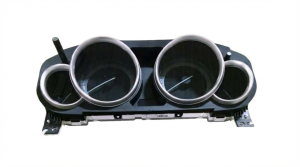
2010 Mazda 6 & Mazda6 Instrument Cluster: A Buyer's Guide to Programming and Compatibility
This guide covers the critical details you must know before buying a used instrument cluster for your 2010 Mazda 6, including engine-specific part numbers and mandatory programming.
- Programming is NOT optional. The cluster stores mileage and anti-theft data; a direct swap will prevent the car from starting.
- Cloning your original cluster's data to the replacement is the best solution for a plug-and-play install.
- Compatibility is critical. You must match the part to your car's production date (before/after 10/26/2009), engine (2.5L/3.7L), and panel style (standard/electroluminescent).
- A used OEM cluster combined with a mail-in cloning service is the most cost-effective and reliable repair method.
Key Compatibility Warnings for 2010 Mazda 6 Clusters

Warning: Buying the wrong instrument cluster for your 2010 Mazda 6 is very easy to do. This part is highly specific. Before purchasing, you must verify your vehicle's production date, engine, transmission, and original cluster style. Installing the wrong part can result in a no-start condition, incorrect gauge readings, or non-functioning features.
The most critical compatibility factors are:
| Factor | Details |
|---|---|
| Production Date | There was a change in parts during the 2010 model year. You must know if your vehicle was manufactured before or after October 26, 2009. This information is on the sticker in the driver's side door jamb. Some parts listings specify clusters for vehicles built 'Thru 10/25/09'. |
| Engine & Transmission | Clusters are specific to the 2.5L 4-cylinder engine with a 5-speed automatic transmission or the 3.7L V6 engine with a 6-speed automatic transmission. They are not interchangeable. |
| Panel Style | Base and Touring trims typically use a 'standard panel'. Grand Touring trims often feature 'electroluminescent gauges,' which have a different appearance and are not interchangeable with the standard version. |
Symptoms of a Failing Instrument Cluster

A faulty instrument cluster can cause a variety of strange electrical problems. Here are some of the most common signs of failure:
- Dead or Erratic Gauges: The speedometer, tachometer, fuel, or temperature gauges may stop working, get stuck, or provide incorrect readings.
- Intermittent Power Failure: The entire cluster may randomly shut off and then turn back on while driving.
- Flickering or Dead Backlighting: The lights that illuminate the cluster at night may flicker, dim, or go out completely, making it impossible to see your gauges.
- Warning Lights Malfunctioning: The check engine, ABS, or airbag lights might stay on constantly even when there's no issue, or they may fail to light up during the initial self-test. In some cases, a cascade of warning lights can appear on the dash at once.
- Digital Display Issues: The odometer or trip computer display may become pixelated, dim, or completely blank.
It's important to rule out other potential causes first, such as a weak battery or a blown fuse, as these can sometimes mimic cluster failure symptoms.
Buying a Used 2010 Mazda 6 Instrument Cluster

Due to the high cost of a new OEM cluster from a dealership, a quality used part is often the most economical solution. However, this is not a simple plug-and-play part. Here is what you absolutely must know.
The #1 Issue: Programming and Mileage
Warning: The vehicle's mileage and anti-theft immobilizer data are stored in the instrument cluster. If you simply install a used cluster, two things will happen: 1) The odometer will display the mileage from the donor car, not your car's actual mileage. 2) Your car will likely not start because the immobilizer in the replacement cluster does not recognize your key.
To replace the cluster correctly, you have two main options:
- Mileage Correction Service: You can buy a used cluster and send it, along with your original cluster, to a specialized service that will program the correct mileage onto the replacement unit.
- Cluster Cloning (Recommended): This is the best and most complete solution. A specialist service will transfer all the data—including mileage, VIN, and immobilizer information—from your original faulty cluster to the used replacement cluster. Once cloned, the replacement cluster becomes a true plug-and-play part for your specific vehicle, with no dealer visit required.
Many online repair shops and eBay sellers offer cloning services for around $80-$120. This is the most reliable way to ensure a successful swap.
Physical Inspection
When your used cluster arrives, inspect it for:
- Matching Part Number: Double-check that the part number on the used cluster matches your original.
- No Physical Damage: Ensure the plastic lens isn't cracked or deeply scratched and that all mounting tabs are intact.
- Clean Connectors: The electrical connector pins on the back should be clean and free of corrosion.
Instrument Cluster Replacement Overview
Physically replacing the cluster is a straightforward job for a DIYer with basic tools. The general process involves removing trim panels to gain access.
- Disconnect the negative battery terminal.
- Remove the plastic trim surrounding the steering column and dashboard. This may require a trim removal tool to avoid scratching the panels.
- Unscrew the few screws holding the instrument cluster in place.
- Carefully pull the cluster forward and disconnect the electrical connector on the back.
- Installation is the reverse of removal.
While the physical swap is easy, remember the programming is the most important part of the job.
Known Issues, TSBs, and Recalls
While there are no specific recalls for the instrument cluster on the 2010 Mazda 6, there are some related items and general vehicle recalls to be aware of:
- TSB 09-009-19-3566: Mazda issued a technical service bulletin regarding the proper procedure for speedometer replacement, emphasizing that tampering with odometers is prohibited by federal law. This underscores the importance of correctly programming the mileage.
- Recall 18V-631 (Front Cross Member Corrosion): Affects 2009-2010 models in salt-belt states. Corrosion could weaken the cross member, affecting steering control.
- Various Airbag Recalls: Like many vehicles of this era, the 2010 Mazda 6 was subject to multiple recalls related to Takata airbag inflators.
Cost of Replacing a 2010 Mazda 6 Cluster
Here is an estimated cost breakdown for replacing your instrument cluster. Prices can vary based on location and availability.
| Part/Service | Estimated Cost |
|---|---|
| New OEM (Dealer) | $800 - $1,200+ (plus programming) |
| New Aftermarket | Not commonly available |
| Used OEM (Recycled) | $50 - $150 |
| Remanufactured / Repair Service | $190 - $300 |
| Cloning / Programming Service | $80 - $120 |
| Shop Labor (Physical Swap) | $100 - $200 |
Pro Tip: The most cost-effective solution is to purchase a used OEM cluster ($50-$150) and pay for a mail-in cloning service ($80-$120). This gives you a fully functional, correctly programmed cluster for a fraction of the dealer price.
Frequently Asked Questions (FAQ)
Will my car start if I just swap in a used cluster?
Almost certainly not. The instrument cluster is part of the car's anti-theft immobilizer system. A cluster from another vehicle won't recognize your key, and the engine will be prevented from starting. You must have the replacement cluster cloned from your original.
How do I get the mileage corrected on a used cluster?
You need to use a professional service. You can find many reputable companies online that offer mail-in mileage correction or cloning services. You will typically need to send them both your original cluster and the replacement cluster. It is illegal to misrepresent a vehicle's mileage, so this should only be done to restore the true, correct mileage to a replacement part.
What's the difference between the 'standard' and 'electroluminescent' cluster?
The standard cluster has traditional backlighting. The electroluminescent cluster, found on higher Grand Touring trims, uses a different lighting technology for a brighter, more uniform appearance and often has a slightly different layout. They are not electronically compatible and cannot be interchanged.
Can I just replace a burnt-out bulb or a bad gauge?
In some older vehicles, this was possible. However, on the 2010 Mazda 6, the backlighting is typically provided by LEDs soldered to the circuit board, and the gauges are driven by small electronic stepper motors. Repairing these individual components requires specialized electronics soldering skills. For most people, replacing the entire unit is more practical.
Technical Specifications
OEM Part Numbers: GAA9-55-446 GAA955446 GAL1-55-446 GAL1-55-447 GAL155446 GAL155447 GAL2-55-447 GAL255447 GBD7-55-471A GBD7-55-471B GBD7-55-471C GBD7-55-471D GBE6-55-471C GBE6-55-471D GBF5-55-471A
Vehicle compatibility is determined by production date (before/after 10/26/2009), engine type (2.5L I4 or 3.7L V6), transmission type, and panel style (standard or electroluminescent).
We Have This Part in Stock



The information in this article is provided for general reference and educational purposes only. Vehicle specifications, procedures, and part compatibility can vary by production date, trim level, and region. Always consult your vehicle's factory service manual and verify part numbers before purchasing or performing repairs. Safety-critical components such as airbags, seat belts, and braking systems should be installed by a qualified professional.
- Mazda 6:
- Mazda Mazda6:
- 🛍️ Shop This Part
- Key Compatibility Warnings for 2010 Mazda 6 Clusters
- Symptoms of a Failing Instrument Cluster
- Buying a Used 2010 Mazda 6 Instrument Cluster
- The #1 Issue: Programming and Mileage
- Physical Inspection
- Instrument Cluster Replacement Overview
- Known Issues, TSBs, and Recalls
- Cost of Replacing a 2010 Mazda 6 Cluster
- Frequently Asked Questions (FAQ)
- 🎟️ Get 5% Off