

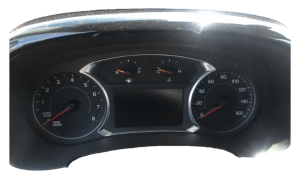
2017-2018 Mazda 3 Instrument Cluster: A Guide to Programming, Part Numbers & Replacement
This guide covers the critical programming requirements, common failures, and essential part number details for the 2017-2018 Mazda 3 speedometer cluster.
- A replacement cluster MUST be professionally programmed to the vehicle's VIN to sync the immobilizer; otherwise, the car will not start.
- Part numbers are not interchangeable. You must match the part number to your car's specific options, like Head-Up Display (HUD) and engine size (2.0L/2.5L).
- The total cost of replacement includes the part plus $100-$300 for programming. Factor this in when buying a used cluster.
- The physical swap is straightforward for DIY, but the car will be undrivable until it is towed or a mobile technician performs the programming.
Symptoms of a Failing Instrument Cluster

A failing instrument cluster in a 2017-2018 Mazda 3 can cause a range of issues, from minor annoyances to critical safety problems. Because it's a central communication module, its failure can sometimes mimic other problems.
- Complete or Intermittent Blackout: The entire cluster may go dark, losing all gauges and displays temporarily or permanently. This can be caused by internal power supply failure or connection issues.
- Flickering Gauges or Lights: The needles on the speedometer or tachometer may behave erratically, or the backlight may flicker.
- Individual Gauge Failure: The speedometer, tachometer, fuel gauge, or temperature gauge may stop working and remain at zero or an incorrect reading.
- Warning Lights Stay On or Don't Light Up: Multiple warning lights may illuminate for no reason, or a critical warning light (like the check engine light) may fail to turn on during the initial key-on sequence.
- OBD-II Code U0155: A common diagnostic trouble code associated with cluster failure is U0155 (Lost Communication with Instrument Panel Control Module). This means other modules in the car can no longer receive a signal from the cluster.
- Scratched or Hazy Lens: While not an electronic failure, the plastic lens on these clusters is known to scratch very easily, even from gentle cleaning. Mazda has issued service alerts about this, and the only fix is to replace the lens. 🎬 Watch: Easy fix for a scratched Mazda speedometer lens
Known Issues, TSBs, and Recalls

While there are no widespread recalls specifically for instrument cluster failure on the 2017-2018 Mazda 3, there are related service bulletins and recalls where the cluster is involved.
- Scratched Cluster Lens (Service Alert SA-050-23): Mazda acknowledged that the instrument cluster lens on many models, including the 2017-2018 Mazda 3, is prone to scratching. The official fix is to replace the lens.
- Smart Brake System (SBS) Recall (Affecting 2019-2020 models): Though for a later model year, a recall for the SBS system on 2019-2020 models involved either updating or replacing the instrument cluster as part of the fix for some vehicles. This highlights the cluster's role in integrated safety systems.
- Rearview Camera Recall (6023G): A recall was issued for the rearview camera image flickering or not displaying on 2014-2018 Mazda 3 vehicles. While not a cluster failure, it relates to the vehicle's display systems.
Warning: The most significant issue with this part is not a defect, but a feature. The instrument cluster is tied to the vehicle's immobilizer system. A replacement cluster MUST be programmed to the vehicle, or the engine will not start.
CRITICAL: Programming and Immobilizer Synchronization

You cannot simply swap a used instrument cluster into a 2017-2018 Mazda 3 and expect it to work. The cluster is a security component linked to your car's VIN and immobilizer system.
- Immobilizer Link: The instrument cluster and the Powertrain Control Module (PCM) are paired. If you install a cluster from another vehicle, the immobilizer system will activate, preventing the engine from starting. This is an anti-theft measure.
- Mileage Correction: The vehicle's mileage is stored in the instrument cluster. When you install a used cluster, it will display the mileage from the donor car, not your car's actual mileage. Federal law requires that the mileage be corrected or that a disclosure sticker be placed on the driver's side door jamb.
- Configuration (As-Built Data): The cluster must be configured for your vehicle's specific options, such as whether it has a Head-Up Display (HUD), automatic or manual climate control, or a 2.0L vs 2.5L engine.
Who Can Program the Cluster?
- Mazda Dealerships: A dealer has the factory tools (MDARS/IDS) to perform the immobilizer sync, configure the cluster, and, in some cases, send the new cluster out to a company like SPECMO to have the odometer set.
- Advanced DIY / Independent Shops: Some advanced DIY mechanics and specialized independent shops use a tool called FORScan with an extended license to perform these procedures. This involves backing up the 'as-built' data from the original cluster and writing it to the new one. Mileage correction often requires a separate, specialized tool. This is a complex process and not recommended for beginners.
Buying a Used 2017-2018 Mazda 3 Cluster

A used OEM cluster is an excellent, cost-effective alternative to a new one, provided you follow these essential steps.
1. Match the Part Number EXACTLY: This is the most important step. The part number must correspond to your vehicle's engine size (2.0L or 2.5L) and feature set. Key features that determine the part number include:
- Head-Up Display (HUD): Clusters for cars with HUD are different from those without.
- Climate Control: Models with automatic temperature control may use a different cluster than those with manual A/C.
- Adaptive Cruise Control: Some part numbers are specific to vehicles with adaptive cruise.
Check the part number on your original cluster before ordering. The initial letters are the most important (e.g., BABF, BABG, BAEV).
2. Inspect the Lens: Check photos carefully for scratches, hazing, or cracks on the clear plastic lens. Since this is a known weak point, try to find a unit with a lens in the best possible condition.
3. Verify the Mileage (If Possible): Many sellers list the mileage from the donor vehicle. Ideally, you want a cluster with mileage equal to or *less than* your vehicle's current mileage. Some programming tools can only roll the mileage forward, not backward.
4. Factor in Programming Costs: Remember that the price of the used cluster is not the final cost. You must budget for professional programming, which can cost between $100 and $300. Call local dealerships or specialized auto locksmiths for quotes before you buy the part.
Pro Tip: Before removing your old cluster, use a tool like FORScan to save a backup of its 'as-built' data. This file contains the configuration for all your car's features and can be loaded onto the replacement cluster, making programming much easier.
Replacement Cost Comparison
Prices can vary based on location and availability. The costs below are estimates as of late 2024.
| Part/Service | Estimated Cost |
|---|---|
| New OEM Cluster | $550 - $750 |
| Used OEM Cluster | $75 - $250 |
| Shop Labor (Physical Swap) | $100 - $200 |
| Shop Labor (Programming) | $100 - $300 |
Frequently Asked Questions (FAQ)
Can I install the cluster myself and drive to a shop for programming?
No. Once you install the unprogrammed cluster, the car's immobilizer will prevent the engine from starting. The programming must be done with the cluster installed in the vehicle, so the car will need to be towed to the shop or the programming must be done on-site.
What happens if I ignore a failing cluster?
Driving with a malfunctioning cluster is unsafe. You won't be able to accurately tell your speed, fuel level, or see critical warnings like low oil pressure or engine overheating. This could lead to a ticket, running out of gas, or severe engine damage.
Can I upgrade from a base model cluster to a GT cluster with the center tachometer?
Yes, this is a popular modification. Owners have successfully swapped base model clusters (with the center speedometer) for Grand Touring (GT) clusters (with the center tachometer). However, it requires careful part selection and programming with FORScan to configure it correctly. If you are also adding the Head-Up Display (HUD), you will need the HUD unit and the correct upper dash trim piece with the cutout for it.
Is a scratched cluster lens repairable?
Deep scratches cannot be repaired. For very light hazing or swirls, some owners have had success with a high-quality plastic polish, but this should be done with extreme care. The official Mazda solution is to replace the lens. To prevent future scratches, apply a screen protector film to the new lens immediately after installation.
Helpful Videos

Technical Specifications
OEM Part Numbers: BABF-55-471A BABF-55-471B BABF-55-471C BABF-55-471D BABF55471C BABF55471D BABG-55-471 BABG-55-471A BABG-55-471B BABG-55-471C BABG-55-471D BABH-55-471D BABH55471D BAEV-55-471 BAEV-55-471C BAMA-55-471D BAMB-55-471C
Communicates via CAN bus network. Integrated with vehicle immobilizer system. Display type varies between trim levels (analog center speedo vs. analog center tach with digital speedo).
We Have This Part in Stock




The information in this article is provided for general reference and educational purposes only. Vehicle specifications, procedures, and part compatibility can vary by production date, trim level, and region. Always consult your vehicle's factory service manual and verify part numbers before purchasing or performing repairs. Safety-critical components such as airbags, seat belts, and braking systems should be installed by a qualified professional.
- Mazda 3:
- 🎬 Helpful Videos
- 🛍️ Shop This Part
- Symptoms of a Failing Instrument Cluster
- Known Issues, TSBs, and Recalls
- CRITICAL: Programming and Immobilizer Synchronization
- Who Can Program the Cluster?
- Buying a Used 2017-2018 Mazda 3 Cluster
- Replacement Cost Comparison
- Frequently Asked Questions (FAQ)
- 🎟️ Get 5% Off