

2010-2014 Honda Insight Instrument Cluster: Guide to Programming, Trim Levels, and Replacement
This guide covers the critical programming requirements, trim level differences, and common failures of the 2010-2014 Honda Insight speedometer cluster.
- Programming is mandatory. The car will not start with a replacement cluster until it is programmed to the immobilizer by a dealer or qualified locksmith.
- You must match the part number AND the vehicle's trim level (Base/LX vs. EX). The clusters are not interchangeable.
- The mileage from the donor car will be displayed on a used cluster; it must be corrected by a professional during programming to reflect your vehicle's true mileage.
- Common failure symptoms include flickering displays, multiple random warning lights, and a no-start condition with a blinking key light.
Symptoms of a Failing Instrument Cluster
A failing instrument cluster in a 2010-2014 Honda Insight can cause a range of confusing and distracting issues. Because the cluster is a central communication hub for the car's electronics, a fault here can trigger what seems like widespread system failure.
- Erratic or Dead Gauges: The speedometer may flicker, freeze at a certain speed, or stop working entirely. Other gauges like the fuel or temperature gauge may also behave erratically or show no reading.
- Flickering or Blank Displays: The digital speedometer or the multi-information display (MID) may flicker, dim, or go completely blank. Some owners report the display works intermittently, sometimes reappearing after adjusting the brightness control or when the weather is colder.
- Multiple Warning Lights: One of the most common symptoms is the sudden appearance of multiple, unrelated warning lights. You might see alerts for the IMA system, emissions system, brakes, or tire pressure all at once, even if those systems are functioning correctly. This is often due to a communication failure within the cluster itself.
- Cluster "Rebooting": The entire cluster may repeatedly power cycle while driving. All lights will illuminate as if starting the car, gauges will sweep, and then it will either return to normal or fail again.
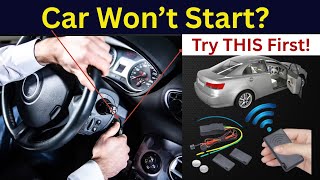
- No-Start Condition: Because the immobilizer system is integrated into the instrument cluster, a complete failure of the cluster can prevent the car from starting. The system will not recognize the key, and the engine will not turn over. A blinking green key icon on the dash is a tell-tale sign of an immobilizer problem. 🎬 Watch: How to reset a car immobilizer step-by-step
Pro Tip: Before condemning the instrument cluster, always check the health of your 12-volt battery. A weak or failing battery can cause very similar symptoms, including erratic electronics and multiple warning lights.
Understanding Trim Level Differences: Base/LX vs. EX
It is absolutely critical to match the replacement cluster to your Insight's original trim level. The clusters for Base/LX models and EX models are not interchangeable due to differences in features and wiring.
- Base and LX Models: These clusters are for the more basic trims. They have a specific set of warning lights and display functions corresponding to the standard features of these models. Part numbers like 78100-TM8-A01, 78100-TM8-A03, and 78100-TM8-A51 are typically associated with LX models.
- EX Models: The EX trim includes additional features like Bluetooth HandsFreeLink and paddle shifters, which are reflected in the instrument cluster's design and software. The cluster for an EX model will have indicators and menu options not present on the LX. Part number 78100-TM8-A61 is specifically for the EX trim.
Warning: Installing a cluster from a different trim level will result in either a non-functional cluster or the loss of certain features. Always verify the part number and the trim level of the donor vehicle before purchasing a used cluster.
Programming and Immobilizer Synchronization: The Most Critical Step
You cannot simply swap a used instrument cluster into a 2010-2014 Honda Insight and expect it to work. The vehicle will not start. This is because the immobilizer data, which pairs your keys to the car, is stored within the cluster.
Why is Programming Required?
- Immobilizer Handshake: When you turn the key, the immobilizer unit in the cluster must recognize the transponder chip in your key and then communicate with the engine's computer (ECU). If a new, unprogrammed cluster is installed, this security handshake fails, and the engine is prevented from starting.
- VIN Matching: The vehicle's VIN is stored in the cluster. A mismatch can cause communication errors with other modules on the car's network (CAN bus).
- Odometer Reading: The vehicle's mileage is stored on a small chip inside the cluster. When you install a used cluster, it will display the mileage of the car it came from. Federal law requires that the true mileage of the vehicle be restored or that a disclosure be made upon transfer of ownership.
Who Can Program the Cluster?
This is not a DIY job. It requires specialized tools and software.
- Honda Dealerships: A dealer can use the Honda Diagnostic System (HDS) to perform the "Gauge Control Module Replacement" procedure. This process retrieves the mileage from the old cluster (if possible), writes it to the new one, and syncs the immobilizer with the vehicle's keys and ECU.
- Automotive Locksmiths & Specialized Shops: Many independent shops and automotive locksmiths have advanced diagnostic tools (like Autel or Foxwell scanners) or specialized benchtop programming equipment that can perform these functions. They can often clone the data from your original cluster to the replacement one or reprogram the replacement cluster to the vehicle directly.
Buyer's Guide: What to Look for in a Used Insight Cluster
Buying a used OEM cluster is a cost-effective solution, but careful selection is key to avoiding headaches.
- Match the Part Number EXACTLY: This is the most important rule. Check the part number on your original cluster and match it to the replacement. Part numbers like 78100-TM8-A01, 78100-TM8-A61, etc., define the trim and model year compatibility.
- Verify the Trim Level: Double-check that the cluster comes from the same trim (Base/LX or EX) as your car. An EX cluster will not work correctly in an LX, and vice-versa.
- Inspect the Lens and Housing: Check for deep scratches or cracks on the clear plastic lens. Ensure all mounting tabs on the rear housing are intact and not broken.
- Plan for Programming: Understand that the part will require professional programming to function. Factor this cost into your budget. The car will not be drivable until this is done.
- Mileage is Not a Factor for Purchase: Do not worry about the mileage displayed on the used cluster. It will be corrected during the programming process by a qualified technician.
Replacement Cost Comparison
The cost of replacing the instrument cluster can vary significantly based on the source of the part and labor rates.
| Item | Estimated Cost |
|---|---|
| New OEM Cluster | $2200 - $3200 |
| Used OEM Cluster | $50 - $160 |
| Shop Labor (Physical Swap) | $100 - $200 |
| Shop Labor (Programming) | $100 - $300 |
| Total Estimated Cost (Used Part) | $250 - $660 |
Frequently Asked Questions (FAQ)
Will my car start after I install a used cluster?
No. The car will not start until the replacement cluster is professionally programmed to your vehicle's immobilizer system and keys.
Can I program the new cluster myself?
No, not without specialized and expensive equipment like the Honda HDS or other professional-grade diagnostic and programming tools. A simple OBD-II code reader cannot perform this function.
How is the mileage corrected on the used cluster?
A technician uses a diagnostic tool to read the mileage from your car's original cluster (or from another module) and writes it to the replacement unit. This is a standard part of the programming procedure. Services also exist where you can mail in your cluster to have the mileage set.
My speedometer display is just dim or flickering. Do I need a whole new cluster?
While the issue could be a failing backlight or a bad solder joint, the most common and practical repair is to replace the entire cluster assembly. Repairing the internal electronics of the board is a highly specialized task that most shops are not equipped to handle.
Are there any recalls for the 2010-2014 Insight instrument cluster?
No specific recalls were found for the instrument cluster on the 2010-2014 Honda Insight. While some Honda models from different years had TSBs related to cluster software, none appear to directly address the common failure modes in the second-generation Insight.
Helpful Videos
Technical Specifications
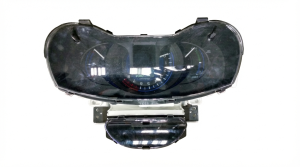
OEM Part Numbers: 78100-TM8-A01 78100-TM8-A02 78100-TM8-A020-M1 78100-TM8-A03 78100-TM8-A04 78100-TM8-A040 78100-TM8-A51 78100-TM8-A61 78100TM8A01 78100TM8A02 78100TM8A03 78100TM8A04 78100TM8A61 78120-TM8-A61 78120TM8A51
Communicates on a 500k baud rate CAN bus network. Immobilizer data is stored on an internal EEPROM chip (e.g., L56/93C56 type).
We Have This Part in Stock



The information in this article is provided for general reference and educational purposes only. Vehicle specifications, procedures, and part compatibility can vary by production date, trim level, and region. Always consult your vehicle's factory service manual and verify part numbers before purchasing or performing repairs. Safety-critical components such as airbags, seat belts, and braking systems should be installed by a qualified professional.
- Honda Insight:
- 🎬 Helpful Videos
- 🛍️ Shop This Part
- Symptoms of a Failing Instrument Cluster
- Understanding Trim Level Differences: Base/LX vs. EX
- Programming and Immobilizer Synchronization: The Most Critical Step
- Why is Programming Required?
- Who Can Program the Cluster?
- Buyer's Guide: What to Look for in a Used Insight Cluster
- Replacement Cost Comparison
- Frequently Asked Questions (FAQ)
- 🎟️ Get 5% Off