

2010-2016 Porsche Panamera Side Window Glass: Standard vs. Executive and Other Costly Mistakes
This guide covers the critical differences between Standard and Long Wheelbase 'Executive' models, how to identify optional acoustic glass, and what to inspect on a used part.
- The rear window glass for standard wheelbase and long-wheelbase 'Executive' models are NOT interchangeable. Executive models (2014+) have rear doors that are ~6 inches longer.
- Inspect used glass carefully for deep vertical scratches, which indicate the donor car had a failing window regulator.
- Porsche offered optional dual-pane 'Thermally & Noise-Insulated Glass' which is thicker and quieter; verify which type you are buying.
- After replacement, the window's auto up/down function must be re-initialized by holding the switch at the top and bottom limits of travel.
Key Compatibility Warning: Standard vs. 'Executive' Long Wheelbase
Warning: The single most important factor when purchasing a rear side window glass for a 2010-2016 Panamera is the vehicle's wheelbase. Porsche produced a standard wheelbase model and a long-wheelbase 'Executive' model. The rear door glass is NOT interchangeable between them.
The Panamera Executive features a wheelbase that is 150mm (approximately 5.9 inches) longer than the standard model. This additional length is incorporated into the rear door, making the rear door itself and the corresponding window glass longer. The front door glass, however, is the same for both models.
How to Identify Your Panamera Model:
- Check the Rear Doors: The simplest method is to look at the rear doors. On an Executive model, the rear doors are visibly longer and more substantial than the front doors, creating a more stretched, limousine-like profile.
- Look for Badging: Many Executive models feature 'Executive' script on the C-pillars or trunk lid.
- Check the VIN: A VIN decoder or your local Porsche dealer can confirm the exact specification of the vehicle, including whether it is a standard or Executive model. The Executive models were introduced with the 2014 model year facelift.
Symptoms of Failure
Aside from obvious cracks or shattering, side window glass issues often stem from the window regulator—the mechanism that lifts and lowers the glass.
- Grinding or Clicking Noises: When operating the window, grinding or clicking sounds often point to a failing window regulator with a frayed cable or broken gear. This can cause the glass to move unevenly.
- Slow or Uneven Window Movement: If the window struggles to go up or down, or moves in a jerky manner, the regulator is likely worn or the motor is failing.
- Scratches on the Glass: Vertical scratches on the glass are a red flag. They are often caused by a broken or misaligned window regulator guide, which allows the glass to rub against hard internal door components. If you are buying a used window glass with scratches, it suggests the donor car had a bad regulator.
- Window Drops or is Crooked: A window that falls into the door or sits crookedly in its opening indicates a complete failure of the regulator, which is no longer able to support the weight of the glass.
- Wind Noise or Water Leaks: If the window doesn't seal correctly at the top, it can cause excessive wind noise or allow water to enter the cabin. This is common after an improper installation or if the window limits are not correctly reset.
Buying a Used Side Window Glass: Inspection Guide
Purchasing a used OEM side window glass is a cost-effective alternative to a new dealer part, as high-quality aftermarket options are not widely available for this model. Careful inspection is key to getting a good part.
- Confirm Wheelbase: For rear windows, first and foremost, verify the glass is from a Standard wheelbase model, not an Executive.
- Inspect for Scratches: Run your fingernail across the entire surface of the glass. Deep vertical scratches indicate the donor car had a failing window regulator and should be avoided.
- Check for Delamination: On optional acoustic glass, inspect the edges for a milky or foggy appearance. This is delamination, where the layers of glass are separating, and it cannot be repaired.
- Identify Glass Type: The Panamera was available with different glass options. Check the small printed markings (the 'bug') on the glass to identify what you are buying.
- Standard Glass: All Panameras came with tinted, thermally-insulated glass from the factory.
- Thermally & Noise-Insulated Glass: This optional upgrade is a dual-pane (laminated) glass that is noticeably thicker at the edge than standard glass. It provides superior sound and temperature insulation. On the windshield, these vehicles have visible cutouts next to the rearview mirror for toll transponders. This is a premium, desirable option.
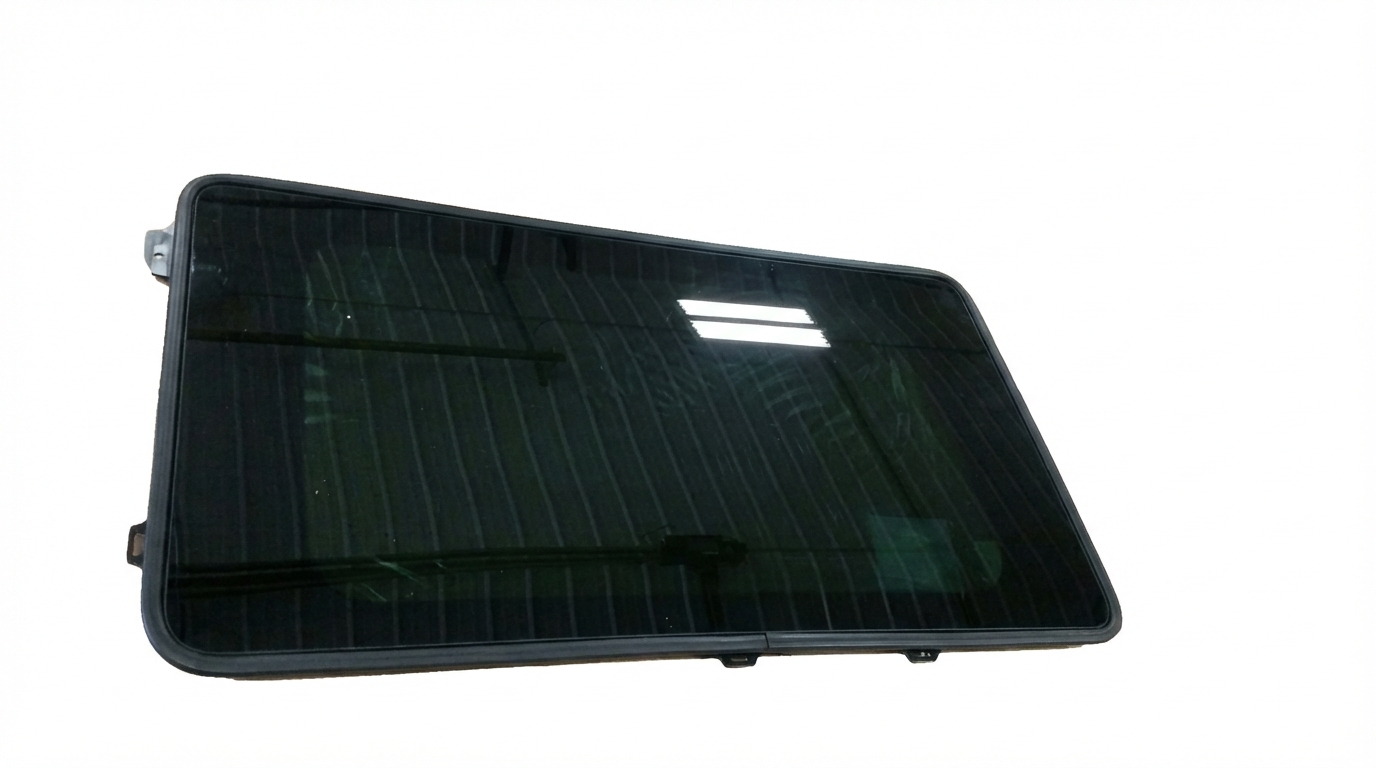
- Privacy Glass: This is a darker factory tint, typically for the rear passenger windows. Part descriptions will often note 'deep tint' or 'dark tint'.
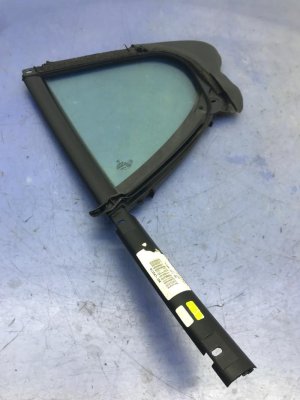
- Verify Position: Ensure the glass is for the correct location (e.g., Front Right Passenger Side, Rear Left Driver Side).
Known Issues, Recalls, and TSBs
While there are no specific recalls or Technical Service Bulletins (TSBs) for the side window glass on the 2010-2016 Panamera, a notable vehicle-wide recall exists.
- Recall AKA7 (NHTSA Campaign 19V-402): Porsche recalled 2010-2016 Panamera models because water could enter the air conditioner blower control unit. This can cause an electrical short circuit, increasing the risk of a fire. Owners are advised to ensure this recall work, which involves sealing the unit and adding a relay harness, has been performed by a Porsche dealer.
Replacement Overview & Installation Difficulty
Replacing the side window glass is a moderately difficult task suitable for an experienced DIYer.
- Installation Difficulty: 3/5
- Procedure: The process involves removing the interior door panel, carefully peeling back the weather barrier, lowering the window to access the mounting bolts, unbolting the old glass from the regulator clamps, and carefully maneuvering the glass out of the door frame. Installation is the reverse of removal.
- Window Initialization: After the glass is installed or if the vehicle's battery has been disconnected, the window's auto up/down and door-opening drop feature must be reset. This is a simple procedure:
- Turn the ignition on (engine does not need to be running).
- Press and hold the window switch down until the window is fully open.
- Release the switch, then press and hold it down again for 3-5 seconds.
- Pull and hold the window switch up until the window is fully closed.
- Release the switch, then pull and hold it up again for 3-5 seconds.
- The auto function should now be restored.
Pro Tip: While the door panel is off, it's a perfect time to inspect the window regulator for any signs of wear, such as frayed cables or cracked plastic guides. The regulator is a common failure point, and replacing it at the same time as the glass can save you from having to do the job twice.
Cost Comparison
Prices can vary significantly based on the specific glass option (standard, acoustic, privacy tint) and location.
| Part Type | Estimated Cost |
|---|---|
| New OEM | $400 - $1,100+ |
| New Aftermarket | Not commonly available |
| Used OEM | $75 - $250 |
| Shop Labor | $200 - $350 |
Frequently Asked Questions (FAQ)
How do I know for sure if I have a Standard or Executive Panamera?
The easiest way is to look at the profile of the car. The rear doors on the Executive model are about 6 inches longer than the front doors, giving it a stretched appearance. Standard models have more balanced front and rear door lengths. The Executive trim was available from model year 2014 onwards.
What is the difference between standard and thermally & noise-insulated glass?
Standard glass is single-pane tempered glass with a basic tint. The optional thermally and noise-insulated glass is dual-pane laminated glass (two pieces of glass with a special acoustic film in between). It is visibly thicker at the top edge and makes the cabin significantly quieter. It is a premium option that adds value to the vehicle.
My window is scratched. Do I need to replace the regulator too?
Most likely, yes. Vertical scratches are almost always caused by a failing window regulator that is allowing the glass to rub against something inside the door. If you only replace the glass, the new glass will likely get scratched as well. It's best to replace the window regulator at the same time.
Can I use glass from a newer Panamera (2017+)?
No. The Panamera was completely redesigned for the 2017 model year (known as the 971 generation). The body, doors, and glass are a different shape and size and are not compatible with the first generation (970) 2010-2016 models.
Technical Specifications
OEM Part Numbers: 97054431212 97054431220 97054431227 97054431235 97054451205 97054231102 97054431208 97054451215 97054431231 97054431232 97054451220
Standard Wheelbase vs. Executive Long Wheelbase (+150mm/5.9in). Optional 5-layer thermally and noise-insulated laminated glass.
We Have This Part in Stock

The information in this article is provided for general reference and educational purposes only. Vehicle specifications, procedures, and part compatibility can vary by production date, trim level, and region. Always consult your vehicle's factory service manual and verify part numbers before purchasing or performing repairs. Safety-critical components such as airbags, seat belts, and braking systems should be installed by a qualified professional.
- Porsche Panamera:
- 🛍️ Shop This Part
- Key Compatibility Warning: Standard vs. 'Executive' Long Wheelbase
- How to Identify Your Panamera Model:
- Symptoms of Failure
- Buying a Used Side Window Glass: Inspection Guide
- Known Issues, Recalls, and TSBs
- Replacement Overview & Installation Difficulty
- Cost Comparison
- Frequently Asked Questions (FAQ)
- 🎟️ Get 5% Off