

Stuck in Park? 2007-2024 Toyota & Scion Shift Lock Control Module Diagnosis
A complete guide to diagnosing a faulty Shift Lock Control Module and related parts in your Camry, Corolla, Tundra, RAV4, and more.
- This module is plug-and-play and does NOT require dealer programming for installation.
- Before blaming the module, always check the brake lights first. A faulty brake light switch causes identical symptoms and is a much more common and cheaper fix.
- Use the manual shift lock override slot near the shifter to get the car into Neutral if you are stranded.
- The shift lock *solenoid* inside the shifter assembly and related fuses are more common failure points than the electronic control module itself.
Is the Shift Lock Control Module Really the Problem?
Before you replace the Shift Lock Control Module, it's important to understand that it is just one part of a system. The most common symptom—being unable to shift out of Park—is frequently caused by other, less expensive parts. The module itself is a reliable component and often outlasts the mechanical parts it controls. This guide will help you diagnose the true cause of the problem.
This system and its components are shared across a wide range of Toyota and Scion vehicles, including:
- 2007-2011 Toyota Camry
- 2009-2012 Toyota RAV4
- 2009-2013 Toyota Corolla
- 2007-2021 Toyota Tundra
- 2011-2020 Toyota Sienna
- 2008-2018 Toyota Sequoia
- 2013-2024 Toyota 4Runner
- 2009-2016 Toyota Venza
- 2011-2016 Scion tC
- 2009-2013 Toyota Matrix
Symptoms of a Failing Shift Lock System
When the shift lock system fails, you'll know it. The symptoms are immediate and prevent normal operation of the vehicle.
1. Shifter is Stuck in Park
This is the most common symptom. You start the car, press the brake pedal, but the gear selector will not move out of the 'P' (Park) position. You may or may not hear a faint 'click' from the shifter area when you press the brake. If you don't hear a click, it's a strong clue that the electronic signal isn't reaching the solenoid.
2. Ignition Key Cannot Be Removed
On many vehicles, the shift lock system is tied to the key interlock. The system won't allow the ignition key to be turned to the 'LOCK' position and removed unless the shifter is confirmed to be in Park. If the module or related sensors are faulty, your key may become trapped in the ignition.
3. Blown Fuses
A failing shift lock solenoid can sometimes short out, causing the related fuse to blow. If you find yourself replacing the same fuse repeatedly (often labeled 'CIG', 'ECU-IG', or similar), it could point to a problem in the shift lock circuit.
How to Diagnose the Problem: A Step-by-Step Guide
Follow these steps in order to avoid replacing parts you don't need.
Step 1: Check Your Brake Lights
This is the most important first step. Have a friend stand behind the vehicle while you press the brake pedal. If the brake lights do NOT illuminate, the problem is almost certainly a faulty brake light switch (also called a stop lamp switch) or a blown fuse, not the shift lock module. The shift lock module relies on the signal from this switch to know you're pressing the brake. A bad brake light switch is a very common and inexpensive fix. This issue can sometimes trigger fault codes P0504 and P0571.
Step 2: Use the Manual Shift Lock Override
Nearly every automatic vehicle has a manual override to get you out of this situation. It's designed for emergencies, like when the battery is dead or the system fails. Look for a small slot or a covered button near the gear selector. You may need to pry off a small plastic cover with a flathead screwdriver or your car key.
- Engage the parking brake firmly.
- Turn the ignition key to the 'ON' position.
- Insert your key or a screwdriver into the slot and press down.
- While holding the override down, press the shifter button and move the lever to 'N' (Neutral).
If the override works, it confirms the problem is in the electronic control system (brake switch, fuse, solenoid, or module) and not a mechanical jam in the shifter linkage. This will allow you to move the vehicle for service.
Step 3: Check Fuses
Consult your owner's manual to locate the fuse boxes (there is usually one in the engine bay and one inside the cabin). Check fuses related to the shifter, ignition, and brake lights. On a Toyota Sienna, for example, relevant fuses are located in the interior fuse box on the driver's side. A blown fuse is a simple fix, but if it blows again, it indicates a short circuit in the wiring or a component like the solenoid.
Step 4: Consider the Shift Lock Solenoid
If the brake lights work and the fuses are good, the next most likely culprit is the shift lock solenoid itself. This is an electro-mechanical part inside the shifter assembly that can wear out, get gummed up, or fail electrically. Several Toyota recalls have been issued for faulty shift lock solenoids due to manufacturing defects or grease contamination, particularly on Sienna models. Replacing the solenoid is more involved than changing a fuse but is still a more common failure than the control module.
When to Suspect the Shift Lock Control Module
You should only consider the Shift Lock Control Module as the point of failure after you have ruled out the brake light switch, fuses, and the shift lock solenoid. The module itself is a simple computer and generally very reliable. A failure might occur due to an internal short, cracked solder joints from age, or a bad ground connection, as has been noted in some 2009-2013 Corolla models where a faulty ground block was the root cause. There are generally no specific OBD-II codes that point exclusively to a failed Shift Lock Control Module.
Pro Tip: The entire system is often referred to as the 'shift interlock'. When searching for information or parts, using terms like 'shift interlock solenoid' or 'brake light switch' will often yield more relevant results than searching for the control module alone.
Buying a Used Shift Lock Control Module
If you've confirmed the module is the problem, buying a used OEM part is an excellent, cost-effective option. Here’s what you need to know:
- Programming: Based on available data, this module does NOT require programming, flashing, or VIN-matching. It should be a plug-and-play replacement. This is a major advantage, as it means no expensive trip to the dealer is required after installation.
- Part Numbers: Match the part number exactly if possible. However, Toyota often updates part numbers. Research shows that part number 85903-06010 is a common replacement that supersedes older numbers like 85903-35010 and 85903-52010. Always verify compatibility with your vehicle's year and model with the seller.
- Inspection: When buying a used module, inspect it for any signs of physical damage, especially to the connectors. Check for corrosion on the pins or cracks in the plastic housing. Avoid any parts that show signs of water intrusion or heat damage.
- Why Used OEM?: Aftermarket companies like Dorman produce replacement shift lock *solenoids*, but direct aftermarket replacements for the *control module* itself are not widely available. This makes a reliable, tested used OEM module a superior choice over trying to find a new, unproven aftermarket alternative.
Known Issues, Recalls, and TSBs
While there are no widespread recalls specifically for the Shift Lock Control Module, there are several related recalls for the shift lock *solenoid* and shifter assembly. These issues present the same symptoms.
- NHTSA Recall 13V429000 (Sienna): Addresses a failing shift lock solenoid that could allow the vehicle to be shifted out of Park without the brake pedal being pressed.
- Toyota Safety Recall H0V/D0N (Sienna): Involves replacing the shift lock solenoid assembly because grease could contaminate components and cause them to fail.
- Toyota Safety Recall D0R (Various Models): Pertains to manufacturing defects in the shifter assembly that could cause the shift lock to fail.
These recalls highlight that components within the shifter assembly are the most common failure points in the system.
Cost Comparison for Shift Lock System Repairs
| Part / Service | Estimated Cost |
|---|---|
| New OEM Shift Lock Control Module | $340 - $550 |
| Used OEM Shift Lock Control Module | $50 - $120 |
| New Aftermarket Shift Lock Control Module | Not Generally Available |
| New OEM Brake Light Switch | $20 - $50 |
| New OEM/Aftermarket Shift Lock Solenoid | $80 - $200 |
| Shop Labor for Module/Solenoid Replacement | $100 - $250 |
(Prices are estimates and may vary based on location and vehicle model.)
Frequently Asked Questions (FAQ)
Does the Shift Lock Control Module need to be programmed?
No, this module does not require programming or flashing. It is a plug-and-play component, which makes replacement straightforward for a DIYer or any independent mechanic.
Where is the Shift Lock Control Module located?
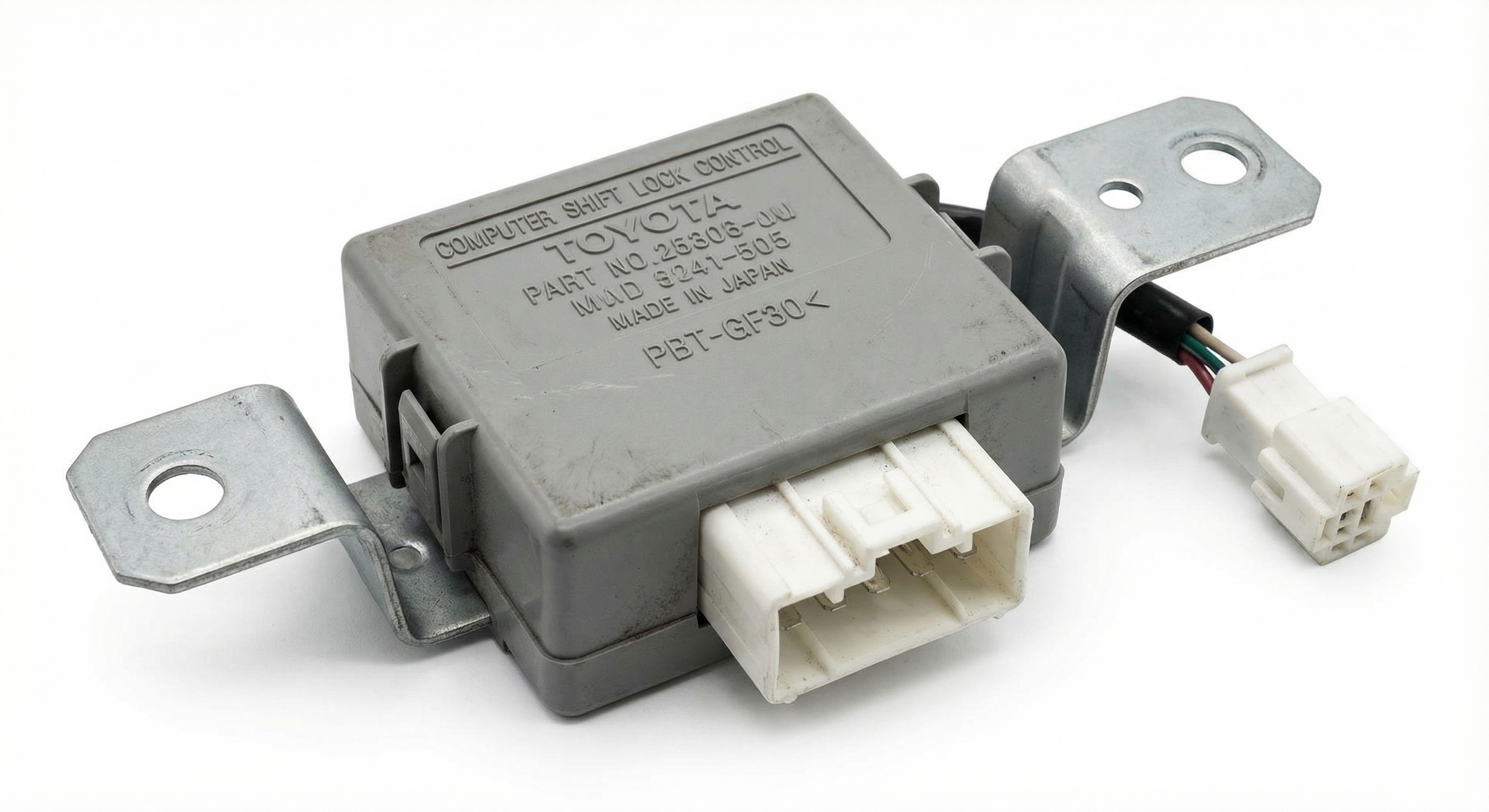
The module is typically a small metal or plastic box located within the center console, near the base of the shifter assembly, or mounted under the dashboard nearby. Access usually requires removing the center console trim panels.
Can I drive my car if the shift lock is broken?
If you are stuck in Park, you cannot drive. However, you can use the manual shift lock override to shift into Neutral or Drive to move the vehicle to a safe location or to a repair shop. It is not recommended to use the override for daily driving, as the underlying safety feature is disabled.
What's the difference between the shift lock module and the shift lock solenoid?
Think of it as a brain and a muscle. The Shift Lock Control Module (the brain) is the computer that decides when to unlock the shifter. The Shift Lock Solenoid (the muscle) is the electro-mechanical part that physically retracts a pin to release the shifter when it receives the command from the module. The solenoid is a more common failure point.
Technical Specifications
OEM Part Numbers: 85903-06010 85903-35010 85903-52010 8590306010 8590335010 8590352010
The Shift Lock Control Module is a low-voltage electronic control unit. It receives input from the brake light switch and sends an output signal to the shift lock solenoid. No other technical specifications are relevant for diagnosis or replacement.
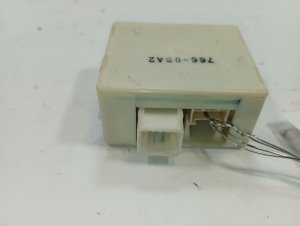
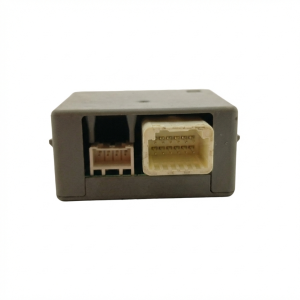
We Have This Part in Stock

The information in this article is provided for general reference and educational purposes only. Vehicle specifications, procedures, and part compatibility can vary by production date, trim level, and region. Always consult your vehicle's factory service manual and verify part numbers before purchasing or performing repairs. Safety-critical components such as airbags, seat belts, and braking systems should be installed by a qualified professional.
- Toyota Camry:
- Toyota RAV4:
- Toyota Corolla:
- Toyota Tundra:
- Toyota Sienna:
- Toyota Sequoia:
- Toyota 4Runner:
- Toyota Venza:
- Scion tC:
- Toyota Matrix:
- Scion xB:
- Scion iQ:
- 🛍️ Shop This Part
- Is the Shift Lock Control Module Really the Problem?
- Symptoms of a Failing Shift Lock System
- 1. Shifter is Stuck in Park
- 2. Ignition Key Cannot Be Removed
- 3. Blown Fuses
- How to Diagnose the Problem: A Step-by-Step Guide
- Step 1: Check Your Brake Lights
- Step 2: Use the Manual Shift Lock Override
- Step 3: Check Fuses
- Step 4: Consider the Shift Lock Solenoid
- When to Suspect the Shift Lock Control Module
- Buying a Used Shift Lock Control Module
- Known Issues, Recalls, and TSBs
- Cost Comparison for Shift Lock System Repairs
- Frequently Asked Questions (FAQ)
- 🎟️ Get 5% Off