

2003-2006 Nissan Altima Seat: A Guide to Power, Airbag & Swap Compatibility
This guide covers the critical differences in power options, side airbags, and mid-generation wiring changes you must verify before buying a replacement seat.
- You MUST match the seat by features (power, heat, side airbag) AND by year range (2003-2004 vs. 2005-2006) due to different airbag connectors.
- An illuminated airbag light means the entire safety system is disabled. This is a critical fault often linked to the passenger seat's OCS sensor or under-seat wiring.
- ALWAYS disconnect the battery for at least 15 minutes before unplugging any seat connectors to prevent accidental airbag deployment and system faults.
- New complete OEM seats are discontinued, making a quality, compatible used seat the most practical solution.
Critical Compatibility Warnings: Read This Before Buying
The 2003-2006 Nissan Altima was produced with numerous seat variations. Failure to match your original seat's features exactly can result in non-functioning components, a persistent airbag warning light, or a part that won't physically connect to your car's wiring. This generation of Altima was a 4-door sedan only; these seats will not fit coupe models from later generations.
Warning: The most significant variation is a change in the airbag wiring connectors that occurred for the 2005 model year. Seats from 2003-2004 models are generally not compatible with seats from 2005-2006 models due to these electrical differences.
Before purchasing a used seat, you must verify the following features in your vehicle:
- Side-Impact Airbags: The vehicle was sold with or without front seat side-impact airbags. A replacement seat MUST match your vehicle's original configuration. Installing a seat without an airbag in a car that needs one, or vice-versa, will cause a critical SRS system fault.
- Power vs. Manual Adjustments: Power seats use a different wiring harness than manual seats. You cannot install a power seat in a car originally equipped with a manual seat without extensive and complex wiring modifications.
- Heated Seats: This was an optional feature. If your vehicle has heated seats, the replacement must also have the heating element and correct connector.
- Upholstery & Color: Seats were available in cloth or leather, with common interior colors being Frost, Blond, and Charcoal.
- Model Year Split (2004 vs. 2005): There was a mid-generation update. Seats from 2003-2004 models have different airbag system connectors than those in 2005-2006 models. Always buy a replacement from the correct year range (03-04 or 05-06) to ensure the electrical connectors match.
Symptoms of a Failing Altima Seat
Seat failures can range from minor annoyances to critical safety issues. Here are the most common problems owners experience.
1. Power Seat Will Not Move
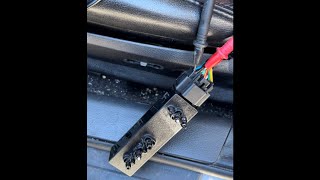
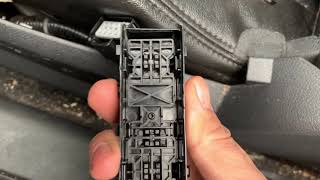
One or more power functions (forward/back, recline, height) stop working. Often, the other functions will continue to operate. This is very commonly caused by a faulty power seat switch assembly on the side of the seat. The internal contacts wear out or the small plastic tabs that actuate the switches break. In other cases, the seat may become crooked in its track or refuse to move forward or backward, which often points to a failed seat slide motor or gear assembly.
🎬 Watch: How to fix a stuck power seat2. Airbag (SRS) Warning Light is On
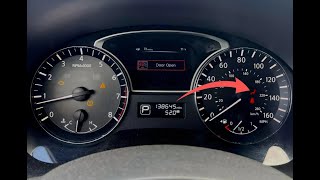
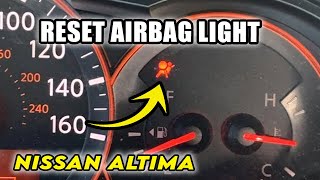
An illuminated airbag light on the dashboard is a serious issue, indicating the entire Supplemental Restraint System (including all airbags) is disabled. In relation to the seats, this is often caused by a faulty Occupant Classification System (OCS) sensor in the passenger seat cushion, which detects the passenger's weight. It can also be triggered by loose or corroded wiring connectors under the seat, especially the distinct yellow airbag plugs. This light will also appear if an incorrect type of seat is installed (e.g., one without an airbag in a car that requires it).
3. Seat Heater is Inoperative
The seat heater fails to warm up when activated. This can be due to a burned-out heating element inside the seat cushion, a bad switch, a faulty relay, or a wiring issue. Often, the light on the switch will illuminate, but no heat is produced, pointing toward a problem with the element itself.
4. Seat is Loose or Rocks
The seat feels unstable, rocking back and forth during acceleration or braking. This indicates a mechanical failure in the seat track or a crack in the seat frame itself. While less common than electrical issues, it is a significant safety concern that should be addressed immediately.
Known Issues, Recalls, and Technical Service Bulletins (TSBs)
- TSB NTB08-055: Nissan issued this bulletin for 2004-2006 Altimas concerning the power seat not moving forward/backward or becoming crooked on the tracks. The bulletin provides procedures for replacing the seat slide motor and gear assembly to correct the problem.
- TSB NTB14-029: This service bulletin warns technicians that any changes or modifications to the front seat trim materials (like installing aftermarket seat covers) can interfere with the proper operation of the seat-mounted side-impact airbags and the passenger OCS sensor.
- Takata Airbag Inflator Recall: While not a failure of the seat itself, the 2002-2006 Altima was part of the massive Takata recall. A defective inflator in the airbag can explode in a crash, causing serious injury or death. It is critical to ensure this recall has been performed on any vehicle or on the donor vehicle of a used seat.
Pro Tip: If your airbag light came on immediately after the seat was removed or worked on, the system may just need to be reset. A specific procedure involving the ignition key and driver's door switch can sometimes clear the code without a trip to the dealer. However, if the light returns, a persistent fault exists.
🎬 See this quick airbag light reset procedureBuying a Used 2003-2006 Altima Seat: A Buyer's Checklist
Due to new OEM parts being discontinued, a quality used seat is often the only viable option. Careful inspection is key to getting a good part.
- Confirm Your Car's Specs First: Before you shop, check the production date on the driver's door jamb sticker and confirm if you have power, heat, and side airbags. Take photos of the electrical connectors under your seat for comparison.
- Match the Year Range: Only buy a seat from the correct year group: 2003-2004 or 2005-2006. Do not mix them.
- Inspect the Frame and Tracks: Place the seat on the ground and try to rock it. It should be solid. Check the metal frame and mounting points for any cracks or signs of rust. Manually slide the tracks to ensure they move smoothly.
- Check the Upholstery and Foam: Look for rips, burns, or heavy stains. More importantly, press down on the seat cushion and side bolsters. The foam should feel firm and supportive, not flat or collapsed.
- Inspect the Wiring: Carefully examine all the wiring harnesses and connectors under the seat. Look for cut wires, corrosion in the pins, or damaged connector housings. Pay special attention to the yellow airbag connector; it should be pristine.
- Verify Donor Vehicle History: Ask the seller if the seat came from a vehicle that was in a flood or had its airbags deployed. A seat from a flooded car can have hidden corrosion and mold, and a seat from a wrecked car may have a deployed (and therefore useless) side airbag or pretensioner.
Replacement Overview
Replacing the front seat is a straightforward job for a DIYer with basic tools, but extreme caution must be taken with the airbag system.
- Difficulty: 2 out of 5
- Estimated Time: 1 Hour
- Tools Needed: Socket set (14mm socket), ratchet, extension.
Step-by-Step Procedure
CRITICAL: Disconnect the negative terminal of the car battery and wait at least 15 minutes before starting work. This allows the airbag system's backup power to discharge and prevents accidental deployment, which can cause serious injury.
- Slide the seat to access the four 14mm bolts that secure it to the floor pan. You may need to remove plastic covers to access them.
- Remove all four bolts.
- Carefully tilt the seat backward to get clear access to the electrical connectors underneath.
- Disconnect all wiring harnesses. The airbag connector is typically yellow and may have a special locking tab that needs to be released.
- Lift the seat out of the vehicle. 🎬 Watch: Step-by-step seat removal walkthrough
- To install the new seat, reverse the process. Ensure all connectors are securely plugged in before bolting the seat down.
- Once the seat is fully installed, reconnect the negative battery terminal.
- Turn the ignition to the 'ON' position and check for an airbag warning light. If it stays on, the system may need to be reset by a professional.
Cost Comparison
| Part Type | Estimated Cost |
|---|---|
| New OEM Complete Seat | Discontinued |
| New Aftermarket | $350 - $1,600 (Upholstery kits/covers only, not complete seats) |
| Used OEM | $150 - $500 (Depending on condition, features, and location) |
| Shop Labor Cost | $120 - $160 |
Frequently Asked Questions (FAQ)
Can I install a power seat in my Altima that came with manual seats?
This is not recommended. The vehicle's body wiring harness is different for manual and power seats. You would need to source the correct harness and potentially a control module, making it a very complex and expensive conversion.
My airbag light is on after I replaced the seat. What did I do wrong?
There are three likely causes: 1) You did not disconnect the battery before unplugging the old seat, triggering a fault code. 2) The replacement seat has a fault (e.g., bad OCS sensor) or is the wrong type for your car (e.g., no airbag). 3) The connector under the seat is not fully plugged in. You can try a manual reset procedure, but if the light persists, you will need a diagnostic scan to identify the specific fault.
Can I just replace the broken power seat switch instead of the whole seat?
Yes. The power seat switch module can be purchased separately and replaced. This involves removing the plastic side trim of the seat to access the switch, prying it out, and disconnecting its harness. This is a much cheaper solution if you have confirmed the switch is the only part that has failed.
Is it safe to use a seat from a car that was in an accident?
No. If the accident was severe enough to deploy the airbags, the side-impact airbag in the seat and the seatbelt pretensioner will have fired. These are one-time use components and cannot be reused. A seat from a wrecked car is only good for mechanical parts and upholstery, not its safety systems.
Helpful Videos

Technical Specifications
OEM Part Numbers: 87000-3Z600 87050-3Z600 87300-ZB146 87300-ZB800 87300-ZD96B 87300-ZD96C 87350-3Z171 87350-3Z600 87350-3Z610 87350-3Z621 87350-3Z661 87350-ZB800 87600-ZB017 87650-3Z617 87650-3Z776 24167-ZB000
Fits 2003-2006 Nissan Altima 4-door sedan models. Variations include power/manual adjustment, heated/non-heated, cloth/leather upholstery, and with/without side-impact airbags. A wiring harness change occurred between the 2004 and 2005 model years.
We Have This Part in Stock



The information in this article is provided for general reference and educational purposes only. Vehicle specifications, procedures, and part compatibility can vary by production date, trim level, and region. Always consult your vehicle's factory service manual and verify part numbers before purchasing or performing repairs. Safety-critical components such as airbags, seat belts, and braking systems should be installed by a qualified professional.
- Nissan Altima:
- 🎬 Helpful Videos
- 🛍️ Shop This Part
- Critical Compatibility Warnings: Read This Before Buying
- Symptoms of a Failing Altima Seat
- 1. Power Seat Will Not Move
- 2. Airbag (SRS) Warning Light is On
- 3. Seat Heater is Inoperative
- 4. Seat is Loose or Rocks
- Known Issues, Recalls, and Technical Service Bulletins (TSBs)
- Buying a Used 2003-2006 Altima Seat: A Buyer's Checklist
- Replacement Overview
- Step-by-Step Procedure
- Cost Comparison
- Frequently Asked Questions (FAQ)
- 🎟️ Get 5% Off