

2003-2006 Mitsubishi Outlander Seat: Solving Airbag Faults and Wear
This guide covers the common failure points, compatibility issues, and replacement tips for the front seats in the first-generation Mitsubishi Outlander.
- The most critical factor when buying a used seat is verifying the presence or absence of a side airbag to match your original.
- A recall (NHTSA 03V194) was issued for potential water leaks causing corrosion in the airbag wiring connectors under the seat; inspect this area carefully.
- Seats are interchangeable across the 2003-2006 model years, as long as material (cloth/leather) and airbag options match.
- Always disconnect the battery for at least 10 minutes before unplugging any seat connectors, especially the yellow SRS plugs.
Symptoms of a Failing Seat
Seat issues in the first-generation Outlander typically fall into three categories: physical wear, mechanical failure, or electrical problems related to the airbag system.
Physical Wear and Tear
- Torn or Ripped Fabric: The most common point of failure is the outer bolster on the driver's seat cushion, which wears down from sliding in and out of the vehicle.
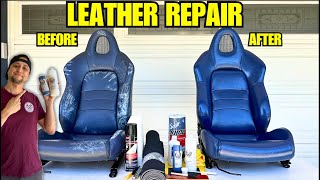
- Collapsed Foam Cushion: After years of use, the foam support can break down, leading to a feeling of sitting "in a hole" 🎬 Watch: How to repair collapsed seat bolster foam or a lack of support. The seat may feel uncomfortable on long drives.
- Squeaking or Rubbing Noises: A rubbing noise from the seat back when a person is seated can be caused by the urethane pad making direct contact with the seat frame. Mitsubishi issued a Technical Service Bulletin (TSB) to address this by applying non-woven fabric tape between the components.
Mechanical Failure
- Seat Won't Slide or Recline: The mechanisms that allow the seat to adjust can jam or break. This can be due to debris in the tracks or a failed internal component.
- Loose Seat or Rocking Motion: If the seat feels loose or rocks during acceleration and braking, the bolts securing the seat to the floor may be loose, or there could be wear in the seat track assembly itself. While a TSB for this issue was released for later model Outlanders, the principle of worn linkages causing movement is a common point of failure for all vehicle seats.
Electrical and Safety System Failures
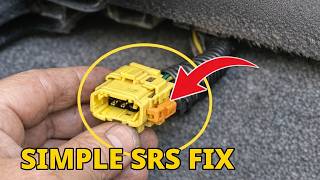
- SRS or Airbag Light is On: This is a critical warning. It often points to a problem with the side airbag housed within the seat or, more commonly, the wiring and connectors underneath it. A recall was issued for potential water intrusion in the floorboard area, which could corrode these connectors and disable the side airbag 🎬 See how to fix corroded under-seat SRS connectors and seatbelt pre-tensioner.
Known Issues, Recalls, and TSBs
While a relatively simple component, the seats in the 2003-2006 Outlander were involved in a significant safety recall.
Recalls
- NHTSA Recall 03V194: This recall addresses a condition where water could leak into the front floorboard area. This water can cause corrosion in the wiring harness connectors located under the seat, affecting the side airbag sensor, seatbelt pre-tensioner, and even the stop lamps. A corroded connector can prevent the side airbag from deploying in a crash.
- NHTSA Recall 04V067000: This recall pertains to an error in the owner's manual regarding the proper installation of a child restraint system tether strap, which could lead to an improperly secured child seat.
Technical Service Bulletins (TSBs)
- TSB-22-52A-001REV: Addresses a rubbing noise from the front seat back caused by the foam pad rubbing against the frame. The fix involves applying special tape to insulate the two components.
Warning: The presence of an active SRS/airbag light on your dashboard means the airbag system is disabled. In the event of a collision, your airbags may not deploy. This should be diagnosed and repaired immediately.
Buying a Used 2003-2006 Outlander Seat: A Buyer's Guide
Purchasing a used OEM seat is a cost-effective option, but careful verification is required to ensure you get the right part that functions safely.
Step 1: Identify Your Vehicle's Seat Configuration
Before you start shopping, you must know exactly what is in your car. The first-generation Outlander was available in LS and XLS trims, with different seating options.
- Material: Is your interior cloth or the optional leather?
- Side Airbags: This is the most critical check. Look for a small tag that says "SRS Airbag" or "Side Airbag" sewn into the seam of the seatback's outer bolster. Front side airbags were optional and typically exclusive to the XLS trim. For 2006, they became standard on all trims.
- Power/Heated Functions: Most Outlanders of this generation have fully manual seats. However, heated seats were available. Check for switches on the dashboard or console and for extra electrical connectors under the seat.
Pro Tip: Take clear photos of the labels on your original seat and all the electrical connectors underneath it. This will be your best tool for matching a replacement.
Step 2: Physical Inspection Checklist
When inspecting a potential replacement seat, whether in person or through photos, check the following:
- Frame and Tracks: Look for any signs of rust, cracks, or bends, especially around the mounting points. A bent frame from a previous accident compromises its safety.
- Mechanisms: Test the slide and recline functions. Ensure they operate smoothly and lock securely in place.
- Upholstery and Foam: Check for rips, burns, or stains. Pay close attention to the driver's side outer bolster, as this is a high-wear area. Press on the seat cushion to ensure the foam is still firm and supportive.
- Wiring and Connectors: This is crucial. Compare the connectors to the photos of your original seat. Ensure no wires are cut and the plastic connectors are not cracked or damaged. The yellow connectors are for the SRS/airbag system and must be in perfect condition.
Cost Comparison
Replacing a seat can have a wide range of costs, depending on the source of the part and labor.
| Part/Service | Estimated Cost | Notes |
|---|---|---|
| New OEM Seat | $1000+ (if available) | Often discontinued for older vehicles. Extremely expensive. |
| Used OEM Seat | $150 - $400 | Price varies by condition, material (cloth/leather), and inclusion of side airbag. |
| New Aftermarket Seat | Not Generally Available | Complete replacement seats are rare. Aftermarket upholstery kits (Katzkin, etc.) are available but require professional installation. |
| Shop Labor for Installation | $100 - $200 | Typically 0.5 to 1.0 hour of labor. |
Replacement Overview & Difficulty
Replacing a front seat is a straightforward job that most DIY mechanics can handle.
- Difficulty: 2 out of 5
- Estimated Time: 0.5 - 1 hour
- Tools Needed: Socket set (for mounting bolts), trim removal tool (optional).
Basic Steps:
- Disconnect the Battery: Disconnect the negative battery terminal and wait at least 10-15 minutes before working on the seat. This is a critical safety step to de-energize the SRS system and prevent accidental airbag deployment.
- Unbolt the Seat: Slide the seat forward to access the rear mounting bolts and slide it backward to access the front ones. Remove the plastic covers if present, then remove the four bolts holding the seat to the floor.
- Disconnect Wiring: Carefully tilt the seat back to access the electrical connectors underneath. Disconnect them, paying special attention to the yellow SRS connector's locking tab.
- Remove the Old Seat: Lift the seat out of the vehicle.
- Installation: Installation is the reverse of removal. Place the new seat in the vehicle, reconnect the wiring, and then loosely thread all four mounting bolts before tightening them to the proper torque. Reconnect the battery last. 🎬 Watch: Step-by-step front seat removal walkthrough
Frequently Asked Questions (FAQ)
Can I install a seat without a side airbag in my Outlander that originally had one?
No. Doing so will cause a permanent SRS/airbag warning light on your dashboard and, more importantly, will disable the entire airbag system. You must replace the seat with one that has the same safety equipment.
Will a seat from a 2006 Outlander fit my 2004 model?
Yes, the seats are physically interchangeable across the entire first generation (2003-2006), provided the features (cloth vs. leather, manual vs. power, and side airbag presence) are identical.
My airbag light is on after I replaced the seat. What did I do wrong?
First, ensure you reconnected all the wiring harnesses securely, especially the yellow SRS connector. If the light remains, it's possible the replacement seat has a faulty airbag or is incompatible. A professional scan tool may be needed to read the specific SRS fault code and reset the system.
How do I know for sure if my Outlander has side airbags?
The most reliable method is to visually inspect the seat. Look for a tag sewn into the upper, outer seam of the seatback (the side closest to the door). The tag will typically say "SRS AIRBAG". XLS trims were more likely to have them as an option, and they became standard in 2006.
Helpful Videos
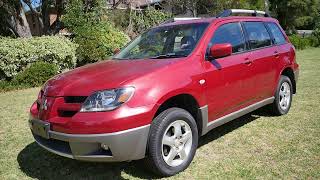

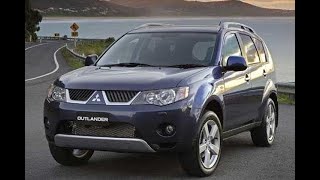

Technical Specifications
OEM Part Numbers: 6911B181XA MR524258 MR562593 MR979559
Fits 2003, 2004, 2005, 2006 Mitsubishi Outlander. Available in cloth and leather. Optional seat-mounted side airbags (standard on 2006 models). Manual adjustment is standard.
We Have This Part in Stock


The information in this article is provided for general reference and educational purposes only. Vehicle specifications, procedures, and part compatibility can vary by production date, trim level, and region. Always consult your vehicle's factory service manual and verify part numbers before purchasing or performing repairs. Safety-critical components such as airbags, seat belts, and braking systems should be installed by a qualified professional.
- Mitsubishi Outlander:
- 🎬 Helpful Videos
- 🛍️ Shop This Part
- Symptoms of a Failing Seat
- Physical Wear and Tear
- Mechanical Failure
- Electrical and Safety System Failures
- Known Issues, Recalls, and TSBs
- Recalls
- Technical Service Bulletins (TSBs)
- Buying a Used 2003-2006 Outlander Seat: A Buyer's Guide
- Step 1: Identify Your Vehicle's Seat Configuration
- Step 2: Physical Inspection Checklist
- Cost Comparison
- Replacement Overview & Difficulty
- Frequently Asked Questions (FAQ)
- 🎟️ Get 5% Off