

Saab 9-5 & 9-3 Seat Memory Module Guide: Fixing Failures & Replacement Programming
An in-depth guide to diagnosing, replacing, and programming the seat memory control module for 1998-2010 Saab 9-5 and 1998-2003 Saab 9-3 models.
- A replacement module MUST be programmed to the car with a Saab Tech 2 scan tool to function correctly.
- Compatibility is critical: This part does NOT fit the 2003 Saab 9-3 Sport Sedan.
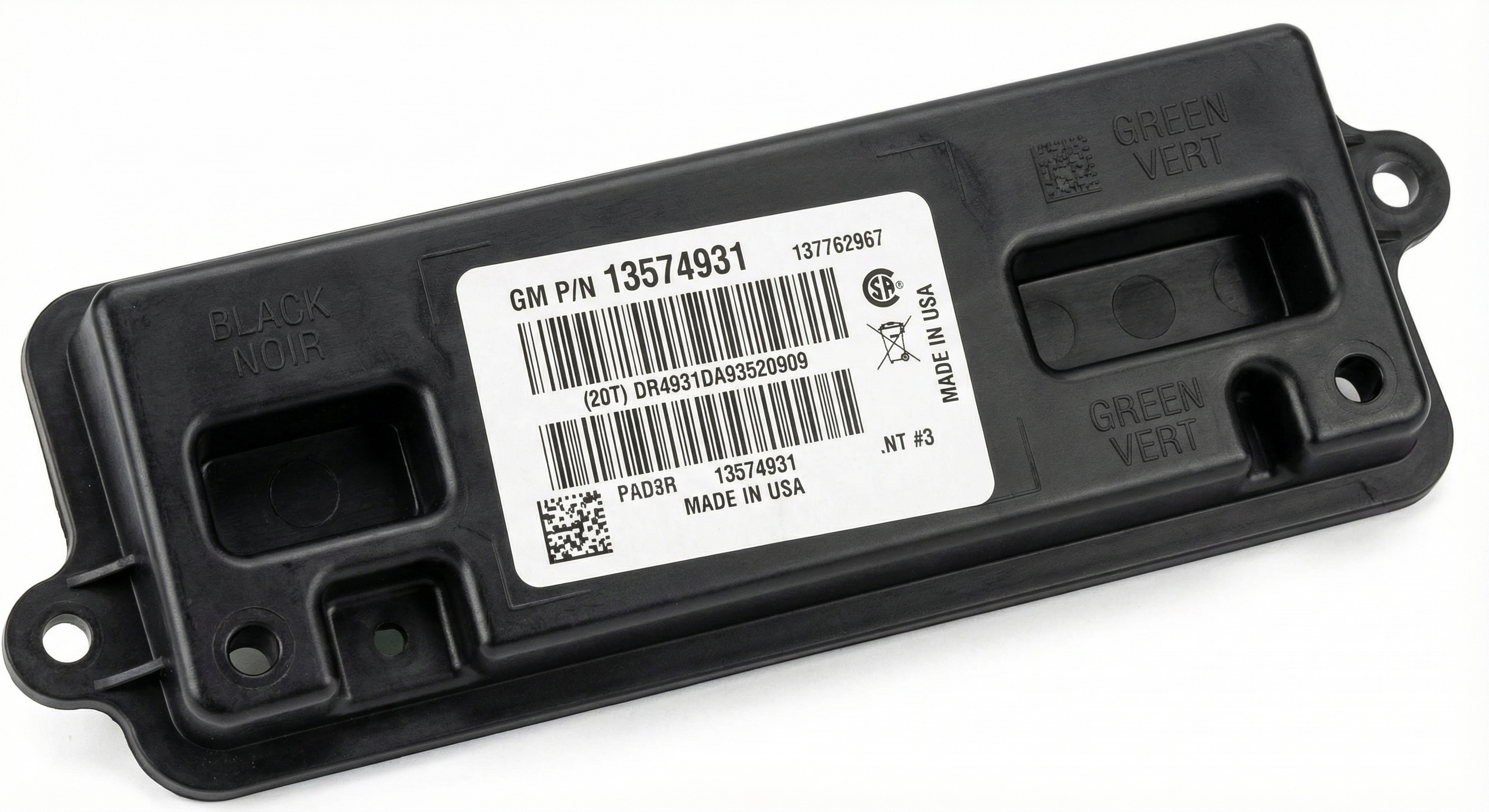
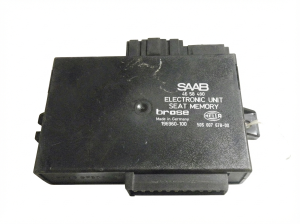
- The OEM part number to look for is 4658480.
- A used OEM module is a viable option, but budget for professional programming costs.
Compatibility Warnings: Read This First
This Seat Memory Control Module, part number 4658480, fits a specific range of Saab vehicles, but there are critical exceptions. Please verify your vehicle carefully.
Warning: Compatibility for this part is very specific. Ordering the wrong module will result in it not working.
- 1998-2010 Saab 9-5: This module fits most 9-5 models. However, for the final 2010 model year, it is only correct for vehicles with 'E' as the 4th digit of the Vehicle Identification Number (VIN).
- 1998-2003 Saab 9-3: This module ONLY fits the 1998-2002 models and the 2003 Convertible and 5-door Hatchback models. It does NOT fit the 2003 Saab 9-3 Sport Sedan, which was built on a completely new platform and uses different electronics.
Symptoms of a Failing Seat Memory Module
A failing seat memory module can cause a range of frustrating electrical issues. Because it's tied into the car's data network, symptoms aren't always confined to the seat itself.
- Unresponsive Seat Controls: The most common symptom is when the power seat controls stop working entirely or work intermittently. You may press the buttons and hear nothing, or the seat may move in short, jerky pulses instead of a smooth motion.
- Memory Function Fails: The memory buttons may stop working. You might be unable to save a new position, or pressing a memory button does nothing. In some cases, the seat may move to an incorrect or random position.
- Inability to Adjust Seat: While some adjustments like forward/backward might work, other functions like tilt or height adjustment may fail.
- Erratic Behavior: The module may cause other strange electrical problems. Since it communicates with other modules, its failure can sometimes lead to communication error codes (U-codes) being logged by other systems in the car.
- Pulsing Movement: A common failure mode reported by owners is the seat moving in short bursts or pulses instead of a continuous motion, particularly when trying to move it forward or backward. This can sometimes be traced to a fault within the memory switch itself or the main module.
Associated Diagnostic Trouble Codes (DTCs)
A standard OBD-II code reader may not be able to communicate with the seat module. A more advanced scan tool, like the dealer-level Tech 2, is often required to read body-related codes. Look for "U" codes (indicating a communication problem on the data bus) or "B" codes (indicating a body-related fault). Common codes include:
- U0140: Lost Communication With Body Control Module.
- Other U-codes indicating a loss of communication with various modules.
Programming and Installation
Important: A replacement Seat Memory Control Module, whether new or used, MUST be programmed to your specific vehicle using a Saab Tech 2 scan tool or a compatible J2534 device with Saab software. This is not an optional step.
This process, often called "marrying" the module to the car, adds it to the vehicle's network and allows it to communicate with other control units like the TWICE (Theft Warning Integrated Central Electronics) module and Body Control Module. Without proper programming, a replacement module will not function correctly, if at all. Some or all seat adjustment and memory functions will be disabled.
While some forum users have reported plug-and-play success when swapping in a used module for basic adjustment functions, this is not guaranteed and memory features will likely not work without being properly added to the car with a Tech 2. For full functionality, programming is required. This can be done by a Saab-specialist independent mechanic or a dealership with the correct tools.
Buying a Used Seat Memory Control Module
A used OEM module is an excellent, cost-effective alternative to a very expensive new part. Since these modules are electronic and require programming, here’s what to look for:
- Verify the Part Number: The most critical step is to match the part number. Ensure the used module is stamped with 4658480. Do not rely on visual similarity alone.
- Physical Inspection: Check the module for any signs of physical damage. Look for cracks in the plastic casing, bent or corroded connector pins, and any evidence of water intrusion or burning. The module is located under the driver's seat, a location that can be vulnerable to spills.
- Source Vehicle: If possible, find out the history of the donor car. A module from a lower-mileage, accident-free vehicle is always preferable.
- Return Policy: Only buy from sellers who offer a return policy. This gives you protection in case the module is Dead on Arrival (DOA), even though you will still need to have it programmed to confirm its function.
Pro Tip: When buying a used module, factor in the cost of programming. Call a local Saab specialist beforehand to get a quote for programming a customer-supplied part so there are no surprises.
Cost Comparison
Prices can vary, but this gives a general idea of the cost for the part and installation.
| Item | Estimated Cost |
|---|---|
| New OEM Module | $830 - $900 |
| Used OEM Module | $40 - $85 |
| Shop Labor (Replacement & Programming) | $150 - $300 |
Replacement Overview
Replacing the module is a straightforward job for a DIYer, but remember that programming is required afterward.
- Disconnect the Battery: Before working on any electronic component, always disconnect the negative terminal of the car battery.
- Access the Module: Move the driver's seat all the way up and back to get the best access to the area underneath. The module is mounted to the seat frame.
- Unbolt the Seat (Optional but Recommended): For easier access, it is highly recommended to unbolt the driver's seat from the floor. This typically involves removing four Torx bolts at the corners of the seat rails. Tilt the seat back to reach the connectors.
- Disconnect and Remove: Carefully disconnect the two wiring harness connectors from the module. Then, release the clips or screws holding the module to the seat frame and remove it.
- Install the New Module: Installation is the reverse of removal. Secure the new module, reconnect the wiring harnesses, bolt the seat back down, and reconnect the battery.
- Programming: The final step is to have the module programmed to the vehicle with a Tech 2 scan tool.
Frequently Asked Questions
Can I drive my car with a faulty seat memory module?
Yes. A failed seat memory module will not prevent the car from starting or driving. However, you will lose the ability to adjust your seat, which could be a safety issue if you cannot achieve a proper driving position.
Do I have to get this module programmed at a Saab dealer?
No, but you do need a workshop that has a Saab Tech 2 scan tool or equivalent J2534 programming equipment and software. Many independent shops specializing in European cars, particularly Saab, will have this capability. It is wise to call ahead and confirm.
My seat only moves in short pulses. Is the module bad?
This is a common symptom. While it can be caused by a faulty module, it can also be caused by a dirty or failing memory switch assembly. As a diagnostic step, some owners have had success disconnecting the memory switch to see if the main seat adjustment controls then work smoothly. If they do, the memory switch is the likely culprit.
Why does this module fit the 2003 9-3 Convertible but not the 2003 9-3 Sedan?
In 2003, Saab introduced the all-new 9-3 Sport Sedan on the new Epsilon platform. However, they continued to produce the Convertible and Hatchback models based on the older GM2900 platform (which was shared with the Saab 9-5) for that model year. This module is for the older platform only.
Technical Specifications
OEM Part Numbers: 4658480
Location: Under the driver's seat, attached to the seat frame.
We Have This Part in Stock

The information in this article is provided for general reference and educational purposes only. Vehicle specifications, procedures, and part compatibility can vary by production date, trim level, and region. Always consult your vehicle's factory service manual and verify part numbers before purchasing or performing repairs. Safety-critical components such as airbags, seat belts, and braking systems should be installed by a qualified professional.
- Saab 9-5:
- Saab 9-3: