

2002-05 Thunderbird & 2003-06 Lincoln LS Seat Memory Module: Fixing Dead Heaters & Memory
A complete guide to diagnosing and replacing the seat memory and heater control module in your Ford Thunderbird or Lincoln LS.
- This module controls both the heated seat and memory functions; failure can affect one or both features.
- A replacement module with a matching part number is typically plug-and-play and does not require dealer programming.
- If your only symptom is the heated seat light turning on then off, the problem is most likely the seat's internal heating element, not the module.
- A faulty module can cause a parasitic battery drain; if your battery dies overnight, this module is a known potential cause.
Symptoms of a Failing Seat Memory Control Module
When the seat memory control module begins to fail, you may experience one or more specific issues. Because the module controls both heating and memory, a failure can affect either function independently or both at the same time.
- Heated Seats Don't Work: This is one of the most common symptoms. When you press the heated seat switch, the indicator light may flash on for a second and then immediately turn off. In other cases, the light may stay on, but the seat never warms up.
- Memory Functions Inoperative: You may find that you can no longer save a new seat position, or the system fails to recall a previously stored position. The memory buttons may seem completely dead with no response.
- Power Seat Adjustments Fail Intermittently: The power seat may refuse to move, but then work again after the car has been turned off and on. Some owners report that disconnecting and reconnecting the battery temporarily restores function, pointing to an issue within the module.
- Parasitic Battery Drain: A faulty module can fail to shut down completely when the car is off, creating a slow electrical drain that can leave you with a dead battery overnight. This has been specifically reported by Thunderbird owners who traced the drain to the heated seat circuit.
- DTC B1342: A Ford-specific Diagnostic Trouble Code (DTC) B1342 indicates a generic "ECU is Defective" fault and can be triggered by a failing Driver Seat Module (DSM).
Pro Tip: If your only symptom is the heated seat light turning on and then immediately off, first check the heating element within the seat itself. A broken wire in the seat cushion's heating grid is a very common failure and will cause the module to shut the circuit down as a safety measure. You can test the heating element with a multimeter to see if it has proper resistance before replacing the entire module.
Known Issues and Vehicle-Specific Information
The Ford Thunderbird and Lincoln LS were both built on Ford's DEW98 platform, which is why they share this and many other electronic components. While there are no major recalls or Technical Service Bulletins (TSBs) specifically for this module on these vehicles, the shared architecture means they suffer from similar electrical issues.
- 2002-2005 Ford Thunderbird: Owners have reported parasitic battery drains linked directly to the heated seat module. The module is located under the driver's seat, and accessing it requires unbolting the seat to tilt it back.
- 2003-2006 Lincoln LS: Forum discussions for the Lincoln LS frequently mention intermittent power seat operation, where the seat stops responding but may work again after power is cycled by pulling a fuse or disconnecting the battery. This points to an internal fault in the module rather than a simple switch or motor failure.
Warning: These vehicles are known for surface corrosion on untreated metal components under the seats and dashboard. When inspecting your module, don't be alarmed by rust on the seat frame itself, but do check the module's connectors for any signs of water intrusion or corrosion, which can cause similar symptoms.
Buying a Used Seat Memory Control Module
Since new OEM modules are often discontinued or very expensive, a quality used OEM module is the most practical and cost-effective solution. Here’s what to look for:
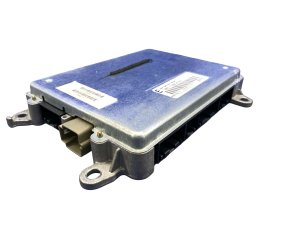
- Match the Part Number Exactly: This is the most important step. The primary part number is printed on a sticker on the module's case. Look for numbers like 3W1T-14C724-AA or 3W1T-14C724-AB. While other numbers may exist, matching your original part number is the best way to ensure compatibility without needing programming.
- Inspect the Connectors: Ask for clear photos of the electrical connector pins on the module. Look for any signs of corrosion (green or white crust), bent pins, or melted plastic. Overheating at the connector pins is a common failure mode for heated seat circuits.
- Check for Physical Damage: Avoid any modules with cracked plastic housings or signs that the case has been opened.
- Source from a Reputable Seller: Purchase from a seller that offers a warranty and has good feedback. This gives you protection in case the part is dead on arrival.
Cost of Replacement
Replacing the seat memory module is relatively affordable if you use a recycled OEM part and do the labor yourself. Professional replacement will add an hour or two of shop time.
| Part Source | Estimated Cost |
|---|---|
| New OEM | $250 - $470+ (Largely discontinued, based on similar Ford parts) |
| New Aftermarket | Not commonly available |
| Used OEM | $40 - $75 |
| Shop Labor | $120 - $250 (1-2 hours) |
Replacement & Programming Guide
Replacing the module is a straightforward job that a DIY mechanic can typically handle in about an hour.
Location: The module is a black plastic box bolted to the underside of the driver's seat frame.
Basic Replacement Steps:
- Disconnect the Battery: Before working on any electronic modules or seats with airbags, always disconnect the negative battery terminal to prevent electrical shorts or accidental airbag deployment.
- Access the Module: Move the driver's seat all the way forward and up to access the two rear bolts holding it to the floor. Then, move it all the way back to access the two front bolts.
- Unbolt and Tilt the Seat: Remove the four bolts securing the seat to the vehicle floor. You should now be able to carefully tilt the entire seat backward to access the wiring and modules underneath. You do not need to remove the seat from the vehicle.
- Swap the Module: Locate the Seat Memory Control Module. Disconnect the electrical connectors (they have locking tabs you must press) and unbolt it from the seat frame. Install the new module, reconnect the connectors, and bolt the seat back into place.
- Reconnect and Test: Reconnect the battery and test all functions—power seat adjustment, memory presets, and the heated seat.
Does the module need to be programmed?
No, in most cases programming is not required. If you replace your original module with a used one that has the exact same part number, it should be plug-and-play. The memory and heating functions are self-contained and are not typically tied to the vehicle's VIN or anti-theft system. Some owners have resolved minor glitches by simply unplugging the module for a few minutes to reset it. In the rare event that the seat does not behave correctly after replacement, a "seat calibration" procedure may be needed, which can sometimes be performed by an independent shop with a high-end scan tool. However, this is uncommon for a simple like-for-like swap.
Frequently Asked Questions (FAQ)
Can I still drive my car with a bad seat memory module?
Yes. A failed module will not prevent the car from starting or driving safely. However, you will lose the convenience of heated seats and memory functions. The only potential risk is if the module is causing a parasitic battery drain, which could leave you stranded with a dead battery.
My seat heater light turns on for a second then goes off. Is it the module?
Not necessarily. This is the classic symptom of a broken heating element in the seat cushion itself. The module detects the open circuit (the broken wire) and immediately shuts down power as a safety precaution. You should test the resistance of the heating element with a multimeter before condemning the module.
Are the modules in the Ford Thunderbird and Lincoln LS the same?
Yes, they share the same core module because they are built on the same vehicle platform. The key is to match the OEM part number (e.g., 3W1T-14C724-AB) from your original part to the replacement part, regardless of whether it came from a Thunderbird or an LS.
Can I fix a module that is draining my battery?
Repairing the internal electronics of the module is not practical for most people. The failure is usually due to a faulty relay or shorted component on the internal circuit board. The most reliable and cost-effective solution is to replace the entire module with a working used unit.
Technical Specifications
OEM Part Numbers: 3W1T-14C724-AA 3W1T-14C724-AB 3W1TAA 3W1TAB 3W1Z-14C724-AA
Located under the driver's seat. Controls both heated seat and memory seat/mirror/pedal functions. Operates on the vehicle's 12V DC system.
We Have This Part in Stock



The information in this article is provided for general reference and educational purposes only. Vehicle specifications, procedures, and part compatibility can vary by production date, trim level, and region. Always consult your vehicle's factory service manual and verify part numbers before purchasing or performing repairs. Safety-critical components such as airbags, seat belts, and braking systems should be installed by a qualified professional.
- Ford Thunderbird:
- Lincoln LS: