

2020-2023 Lincoln Aviator Perfect Position Seat Module: Fixing Massage & Adjustment Failures
This guide covers the common failures, diagnosis, and replacement of the Passenger Seat Control Module for the 30-way Perfect Position seats.
- The most common cause of massage/lumbar failure is a bad connector, not the module itself, as detailed in TSB 19-2390.
- A replacement module (new or used) is NOT plug-and-play and REQUIRES dealer-level programming (PMI or As-Built data) to function.
- This module is only for Aviators with the optional 30-way 'Perfect Position' seats; it will not work in vehicles with standard seats.
- Before buying a module, have a shop diagnose the issue to rule out the simpler (though more labor-intensive) pigtail connector repair.
Symptoms of a Failing Seat Control Module
When the Passenger Seat Control Module (PSCM) in a 2020-2023 Lincoln Aviator begins to fail, you will typically notice a loss of specific comfort features. Because the module controls all seat functions, a variety of symptoms can appear.
- Massage and Lumbar Inoperative: The most commonly reported symptom is the complete failure of the massage and lumbar adjustment functions. The features may stop working intermittently at first and then fail altogether. This can happen with or without any warning messages on the instrument cluster or SYNC screen.
- Functions Unresponsive from Switch and Screen: The seat adjustment controls on the door panel and the seat control menu on the SYNC touchscreen may become completely unresponsive for the massage and multi-contour settings.
- Seat Memory Malfunctions: In some cases, issues with the seat memory or the Easy Entry/Exit feature can be tied to module or software problems. For example, the seat may not recall saved positions correctly or move unexpectedly.
- Loss of Heating and Cooling: While less commonly cited as the primary symptom, a faulty module can also lead to the failure of the seat's heating and ventilation functions.
- Check Engine Light and Diagnostic Codes: A failing module can store specific Diagnostic Trouble Codes (DTCs). The most common codes associated with this issue are B1471, U024B, and U024C. These codes point to a loss of communication or a fault within the seat control module circuit.
Pro Tip: Before assuming the module has failed, check the fuse for the seat controls in the vehicle's fuse box. While less common, a blown fuse can cause a complete loss of function.
Known Issues: TSB 19-2390 - The Connector is the Weak Link
For the 2020 Lincoln Aviator, there is a very common issue that mimics a failed seat control module. Ford issued Technical Service Bulletin (TSB) 19-2390 to address intermittent or inoperative massage and lumbar functions.
The bulletin states that the root cause is often not the module itself, but "terminal fretting" at the module's main electrical connector. Fretting is a form of micro-corrosion and wear caused by tiny vibrations between the electrical pins and the connector over time. This poor connection interrupts the signals between the module and the rest of the vehicle.
The official repair is NOT to replace the module. Instead, technicians are instructed to:
- Remove the seat back cover to access the module.
- Cut off the old electrical connector.
- Splice in a new 'pigtail' connector (Part No. KU2Z-14S411-FA), soldering each wire individually and sealing with heat shrink tubing.
- Reroute the harness to provide more slack, preventing the issue from happening again.
Because this connector issue is so prevalent, it is essential to perform this diagnosis before spending money on a replacement module. If you are experiencing these symptoms, the problem is more likely to be the connector than the module itself.
Buying a Used Seat Heater Control Module
If you have confirmed the module itself is faulty (and not just the connector), a used OEM module can be a cost-effective alternative to an expensive new part. However, there are critical factors to consider.
1. Verify Compatibility
You must match the part number exactly. The primary OEM part number for the front passenger seat module is LU5T-14F549. The letters that follow, such as 'AF' or 'BF', indicate revisions, but the base number must match. This module is specifically for vehicles equipped with the 30-way 'Perfect Position' seats with massage. It will not work on vehicles with standard power seats.
Warning: This module is for the front passenger seat only. The driver's seat uses a different, though similar, module called the Driver Seat Control Module (DSCM).
2. Physical Inspection
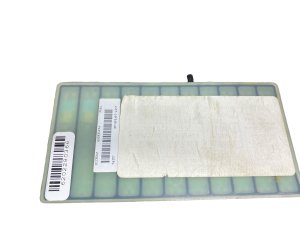
When you receive the used module, inspect it carefully. Look for any signs of physical damage, such as a cracked casing or bent pins on the connectors. Check for any evidence of water damage or corrosion, which can destroy the internal circuit board.
3. Programming is REQUIRED
This is not a plug-and-play part. A replacement seat control module, whether new or used, must be programmed to your vehicle's specific VIN and configuration. If you install a used module without programming, it will not function correctly and may cause other electrical issues. Ford issued a service bulletin (SSM 51536) specifically warning against swapping modules for diagnosis due to these configuration conflicts.
- Programmable Module Installation (PMI): This is the correct procedure. A technician uses a compatible scan tool (like the dealer's FDRS software) to download the configuration data from your original module. After installing the replacement module, that data is uploaded to it.
- As-Built Data: If the original module is completely dead, the technician can download the car's original configuration data from Ford's servers using the VIN and program the used module from scratch.
Before purchasing a used module, ensure you have a local repair shop that has the proper Ford-compatible diagnostic equipment and is willing to program a customer-supplied used part. Many dealerships may refuse, so an independent shop specializing in Ford/Lincoln vehicles is often the best choice.
Cost Comparison
The high cost of a new OEM module makes a used unit an attractive option, especially if you can find a shop to handle the programming.
| Part Type | Estimated Cost |
|---|---|
| New OEM | $230 - $850 |
| New Aftermarket | Not Available |
| Used OEM | $150 - $350 |
| Remanufactured | Not Available |
| Shop Labor (Replacement & Programming) | $180 - $400 |
Replacement Overview & Difficulty
Replacing the Passenger Seat Control Module is a moderately difficult job, primarily because of the required programming.
- Difficulty Rating: 4 out of 5
- DIY Feasible: No (due to mandatory programming)
- Estimated Time: 1.5 - 2.5 hours
The module is located on the underside or back of the passenger seat. Access typically requires unbolting the front seat from the floor and carefully tilting it back to reach the electrical components underneath. While the physical swap is straightforward (disconnecting connectors and unbolting the module), the final programming step makes this a job for a professional technician with the correct tools.
Frequently Asked Questions (FAQ)
Do I have to program a replacement seat module?
Yes, programming is mandatory. The module is configured to the specific options of the vehicle it came from. Installing it in a new vehicle requires a 'Programmable Module Installation' (PMI) or 'As-Built' data programming procedure using a dealer-level scan tool to make it work correctly.
How do I know if my module is bad or if it's the connector from TSB 19-2390?
A technician can test the electrical connector for power, ground, and communication signals. If the signals are present at the connector but the functions still don't work, the module is likely the culprit. However, since the TSB identifies terminal fretting (a poor connection) as the common cause, the connector should always be the first suspect. The presence of DTCs like U024B or U024C strongly points towards this known connector issue.
Can I perform the TSB 19-2390 pigtail repair myself?
This is an advanced DIY repair. The procedure requires cutting, stripping, and soldering over a dozen small wires correctly, then sealing them with heat shrink. Mistakes can lead to further electrical problems or damage to the new pigtail or the module. It is recommended for experienced technicians comfortable with detailed wiring work.
Is a clunking noise from my seat related to this module?
No. A physical clunking or shifting feeling from the seat base when turning is a separate issue addressed by a different Technical Service Bulletin (TSB 22-2100). That problem is caused by a mechanical issue with the seat pan and is fixed by reinforcing a hook, not by replacing any electronic modules.
Technical Specifications
OEM Part Numbers: LU5T-14F549 LU5T-14F549-AF LU5T-14F549-BF LU5Z-14F549-H LU5Z-14F549-L
Controls all functions for the front passenger 30-way 'Perfect Position' seat, including heating, cooling, massage, and multi-contour adjustments.
We Have This Part in Stock

The information in this article is provided for general reference and educational purposes only. Vehicle specifications, procedures, and part compatibility can vary by production date, trim level, and region. Always consult your vehicle's factory service manual and verify part numbers before purchasing or performing repairs. Safety-critical components such as airbags, seat belts, and braking systems should be installed by a qualified professional.
- Lincoln Aviator:
- 🛍️ Shop This Part
- Symptoms of a Failing Seat Control Module
- Known Issues: TSB 19-2390 - The Connector is the Weak Link
- Buying a Used Seat Heater Control Module
- 1. Verify Compatibility
- 2. Physical Inspection
- 3. Programming is REQUIRED
- Cost Comparison
- Replacement Overview & Difficulty
- Frequently Asked Questions (FAQ)
- 🎟️ Get 5% Off