

2025 Kia K4 Passenger Seat Heater Module: Diagnosis and Replacement Guide
Troubleshoot a faulty passenger heated seat in your 2025 Kia K4 and understand the critical steps for replacing the control module.
- The correct OEM part number for the 2025 K4 passenger seat heater module is 88B70-GG000. You must match this number.
- A replacement module will likely require programming (variant coding) by a Kia dealer or qualified shop to function correctly.
- Common failure symptoms include the passenger seat not heating, intermittent operation, or being stuck on one heat level.
- Before replacing the module, rule out a blown fuse or a broken heating element inside the seat itself.
Vehicle-Specific Issues for the 2025 Kia K4
As the 2025 Kia K4 is a new model replacing the Forte, there is limited long-term data on common failures. However, the electronic systems on modern Kia vehicles are complex. As of July 2026, there are no recalls or Technical Service Bulletins (TSBs) from Kia or the National Highway Traffic Safety Administration (NHTSA) that specifically address the seat heater control module for the 2025 K4.
Two unrelated recalls have been issued for the 2025 K4:
- NHTSA Recall 25V548: Pertains to improperly tightened engine connecting rod bolts, which could cause a loss of power.
- NHTSA Recall 26V046: A software error that may cause the instrument panel display to fail.
These recalls do not affect the seat heating system, but it is wise to ensure all recall work has been completed on your vehicle.
Symptoms of a Failing Seat Heater Control Module
A bad passenger seat heater module will typically not affect the driver's side. If your passenger seat heater is acting up, here are the most common signs pointing to a faulty module.
- Passenger Seat Has No Heat: The most obvious symptom is when the passenger seat heater does not turn on at all, while the driver's seat works fine.
- Intermittent Operation: The heat may turn on and off randomly. This can be caused by failing internal components or cracked solder joints inside the module.
- Heat Stuck on One Level: You may not be able to adjust the heat setting. For example, it might be stuck on high regardless of the button you press.
- Burning Smell: A plastic or electrical burning odor from under the passenger seat when the heater is activated is a serious sign. If you smell this, stop using the heater immediately as it indicates a potential electrical short and fire risk.
- Diagnostic Trouble Codes (DTCs): A professional scan tool may find body codes stored in the vehicle. While specific codes for the K4 are not yet widely documented, common Kia codes related to seat comfort systems include B14AC or B14AE. A generic code indicating a "Seat Heating Circuit Malfunction" may also be present.
Pro Tip: Before blaming the module, check the basics. Ensure the fuse for the seat heaters is not blown. A blown fuse often points to a different problem, like a short in the wiring or the heating element itself.
Diagnosing the Problem: Module vs. Heating Element
It's important to determine if the module is the problem or if the fault lies with the heating element embedded in the seat. A faulty heating element is also a common issue.
- Check for Clicks: With the vehicle running, have someone press the passenger seat heat button while you listen carefully under the front passenger seat. You may hear a faint click from the module as its internal relay tries to activate. No click could mean the module isn't receiving power or is internally dead.
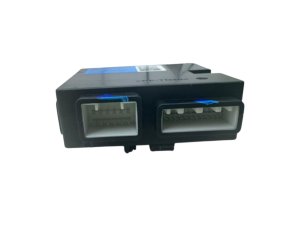
- Inspect Connectors: The module is located under the front passenger seat. Visually inspect its electrical connector for any signs of corrosion (green or white buildup), melted plastic, or loose pins. Water intrusion from spills or wet carpets can damage the connection.
- Test the Heating Element: This requires a multimeter. Disconnect the heating element from the module and measure its resistance. An open circuit (infinite resistance) means the element's internal wiring is broken and the element needs to be replaced, not the module.
Buying a Used Seat Heater Control Module
Purchasing a used OEM module is a cost-effective way to fix your heated seat. Because aftermarket options are not yet available for the new 2025 K4, a used part is often the best alternative to an expensive new one. Here’s what to look for:
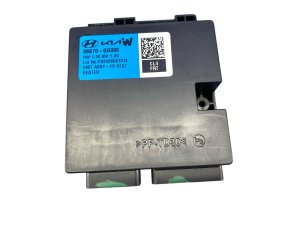
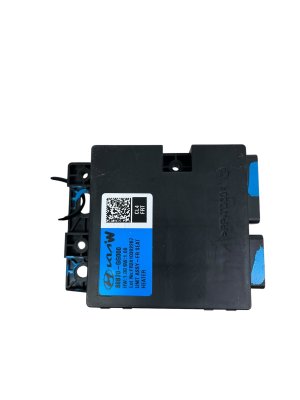
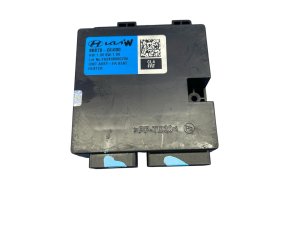
- Match the Part Number: The most critical step is to verify the part number. The known OEM part number for the 2025 K4 passenger seat heater module is 88B70-GG000 or 88B70GG000. Your original module should have this number on its label. Do not install a module with a different part number, even if it looks identical.
- Verify Vehicle Options: This module is for the front passenger seat with heated seats. Ensure the donor vehicle did not have different options, like ventilated (cooled) seats, as that may use a different module.
- Inspect for Damage: When buying a used part, check the photos carefully. Look for any signs of water damage, corrosion on the pins, or cracks in the plastic housing. A reputable seller will provide clear pictures of the connector pins.
- Why Used OEM is a Good Choice: For electronic modules, a used OEM part that has been tested and comes from a reputable recycler is often more reliable than a cheap, newly manufactured aftermarket part. The OEM part was designed specifically for your vehicle's electrical system.
Warning: This module may require programming or 'variant coding' after installation. While not definitively confirmed, it is a common procedure for modern Kia vehicles. If the module is not programmed to the car, it may not function. Be prepared for a potential visit to a Kia dealership or a qualified independent shop with Kia-specific diagnostic tools to complete the repair.
Cost Breakdown
Prices can vary based on your location and the supplier. Here are some estimated costs:
| Part Type | Estimated Cost |
|---|---|
| New OEM | $150 - $250 (estimate) |
| New Aftermarket | Not Yet Available |
| Used OEM | $75 - $125 |
| Shop Labor | $90 - $140 |
Frequently Asked Questions (FAQ)
Does a replacement seat heater module need to be programmed?
It is very likely. Modern Kia vehicles often require new electronic modules to be programmed or coded to the vehicle's VIN and specific options. Failing to do so may result in the part not working. This procedure typically requires a Kia-specific diagnostic tool, which means a trip to a dealer or specialized independent mechanic may be necessary.
Can I replace this module myself?
The physical replacement is straightforward for a DIY mechanic. It involves unbolting the front passenger seat, tilting it back, and swapping the module located underneath. However, because of the probable need for programming, the job may not be complete without professional tools. If you install it and it doesn't work, programming is the likely next step.
How do I know if the module is bad or if it's the seat's heating element?
If the heater doesn't work and the fuse is good, the next step is diagnosis. A professional can test the output from the module and the resistance of the heating element. If the module is sending power but the seat doesn't warm up, the heating element inside the seat is likely broken. If the module is not sending power, the module itself is the probable cause.
Is it safe to drive with a broken seat heater module?
Yes. A failed seat heater module is a comfort feature and does not affect the vehicle's safety or drivability. The only exception is if you notice a burning smell, which indicates an active electrical problem. In that case, you should stop using the heated seat function and have the vehicle inspected immediately.
Technical Specifications
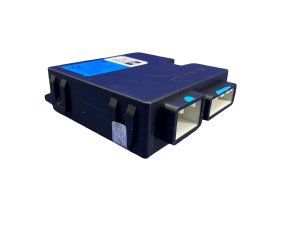
OEM Part Numbers: 88B70-GG000 88B70GG000
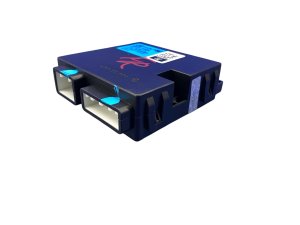
Controls front passenger heated seat functions. Located under the front passenger seat.
We Have This Part in Stock

The information in this article is provided for general reference and educational purposes only. Vehicle specifications, procedures, and part compatibility can vary by production date, trim level, and region. Always consult your vehicle's factory service manual and verify part numbers before purchasing or performing repairs. Safety-critical components such as airbags, seat belts, and braking systems should be installed by a qualified professional.
- Kia K4: