

2017-2020 Audi RS3 Front Seat: Failures, Recalls, and Used Buying Advice
This guide covers common problems like heating failures and airbag sensor faults, plus what to inspect when buying a used S Sport seat for your 2017-2020 RS3.
- A critical safety recall (NHTSA 21V-198) affects the passenger seat's occupant detection system, which can cause the airbag to be disabled. Verify this has been fixed before buying used.
- The most common failure is the seat heating element, which can be replaced without buying a whole new seat.
- When buying a used seat, inspect the yellow airbag connector for damage and avoid any seats from cars where airbags have deployed.
- After installation, the airbag warning light must be cleared using a diagnostic tool like VCDS.
Key Variants and Features

The hallmark of the 2017-2020 Audi RS3 interior is the standard S Sport front seats. These are easily identified by their aggressive bolstering and unique honeycomb or diamond-patterned stitching on the Nappa leather. While most RS3 models are similarly equipped, buyers should verify specific options:
- Heating: Heated front seats were a standard feature in most North American models.
- Power Adjustments: 8-way or 12-way power adjustments with 4-way power lumbar support are typical.
- Stitching Color: The diamond stitching was often done in a contrasting color, such as red or grey, to match other interior or exterior accents.
Pro Tip: The RS3 seats are a popular, high-value upgrade for owners of standard Audi A3 and S3 models from the same '8V' chassis generation. However, wiring for features like power, heating, and airbags can differ, often requiring custom wiring or programming to function correctly.
Common Symptoms of Front Seat Failure

Failures in the RS3 front seat are almost always electrical. Given the complexity of the integrated systems, several issues can arise.
- Seat Heating Failure: The most common issue is a failure of the heating element mat inside the seat cushion or backrest. The switch on the dash will light up, but no heat is produced. This often requires replacing the internal heating mat, which involves removing the seat's upholstery.
- Power Adjustment Failure: The seat may stop moving in one or all directions. This can be caused by a faulty adjustment switch on the side of the seat, a bad motor, or a wiring issue under the seat. Sometimes, a weak or recently replaced battery can cause the seat control module to shut down.
- Airbag Warning Light: An airbag light on the dashboard is a serious safety concern. It is often related to the Passenger Occupant Detection System (PODS) sensor mat in the passenger seat. This system is subject to a recall.
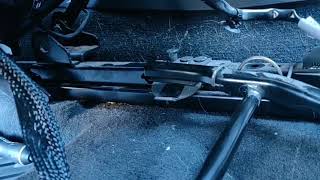
- Creaking or Squeaking Noises: Some owners report creaking noises from the seat frame, particularly from the height adjuster mechanism. 🎬 Watch this overview on diagnosing broken Audi seat sliders Audi has issued a Technical Service Bulletin (TSB) for this, which involves applying special grease to the adjuster's toothed segment.
Known Issues, TSBs, and Recalls

It is critical for buyers to be aware of a major safety recall affecting the front passenger seat of the 2017-2020 Audi RS3.
Recall 69BY / NHTSA 21V-198: Passenger Airbag May Deactivate
Warning: A significant recall was issued for the Passenger Occupant Detection System (PODS). The system can malfunction and disable the passenger airbag, even when the seat is occupied. This increases the risk of injury in a crash. An error message will appear in the instrument cluster, and the "Passenger Airbag Off" light will illuminate. Audi dealers will perform a repair, which may involve replacing the PODS sensor mat and updating the control module software, 🎬 See how to code VW and Audi airbag modules using VCDS free of charge. Before purchasing a used seat, a buyer should verify if this recall has been completed.
TSB 2076184: Creaking/Squeaking Noises from Seat Frame
This TSB addresses complaints of noise from the seat height adjuster. The fix involves removing the outer seat trim, carefully bending a shielding plate, and applying lithium grease (G 052150A2) to the mechanism.
TSB 2069350: Seat Adjustment Switch Inoperative
This bulletin addresses failures of the power seat adjustment switch. The solution is to replace the switch assembly and inspect the surrounding trim panel for damage.
Buying a Used 2017-2020 RS3 Front Seat: What to Check

Due to their high cost new, a used OEM S Sport seat is a popular choice. However, careful inspection is crucial, especially given the integrated safety systems.
Physical Inspection Checklist
- Leather Condition: Check for cracks, tears, or heavy wear on the leather, especially on the driver-side outer bolsters, which wear the fastest.
- Stitching: Ensure the signature diamond stitching is intact, with no frayed or pulled threads. Verify the color matches your vehicle's interior.
- Foam Integrity: Press on the seat cushion and bolsters. The foam should feel firm and supportive, not collapsed or flat.
- Frame and Rails: Inspect the metal frame and mounting rails underneath for any signs of bending, rust, or damage from an accident.
Electrical and Feature Verification
- Airbag Connectors: This is the most critical check. Inspect the main yellow airbag connector and any other wiring harnesses under the seat. Look for cut wires, damaged pins, or signs of amateurish splicing. A seat from a vehicle with a deployed airbag is unusable.
- Part Numbers: If possible, match the part numbers on the used seat's labels with your original seat. There are many small variations in modules and sensors.
- Source Vehicle VIN: Ask the seller for the VIN of the donor car. You can use this to check its history, including whether the airbag recall was performed.
Warning: Never buy a seat with a deployed side airbag. The airbag is a single-use component, and the seat frame itself may be compromised. Many used seats sold online are listed as "BLOWN" or "DAMAGED" for this reason.
Cost Comparison: New vs. Used RS3 Seats
The S Sport seats are a high-value item. Direct aftermarket replacements that retain all OEM functions (airbag, heating, power) are not available. The market consists of new OEM, used OEM, or aftermarket racing shells which are not direct fits.
🎬 Watch this step-by-step walkthrough for installing aftermarket seats| Part Type | Estimated Cost | Notes |
|---|---|---|
| New OEM (Single Seat) | $3,000 - $5,000+ | Ordered from an Audi dealership. Extremely expensive. |
| New Aftermarket | Not Available | No direct-fit aftermarket seats with integrated airbags and electronics exist. |
| Used OEM (Single Seat) | $400 - $1,500 | Price varies widely based on condition, whether it's driver/passenger, and if airbags are intact. |
| Shop Labor (Installation) | $150 - $300 | Includes removal, installation, and clearing any fault codes. |
Installation Guide: Replacing the Front Seat

Overview & Difficulty
Replacing the front seat is mechanically straightforward but requires extreme care when handling the electrical connectors, especially for the airbag system.
- Difficulty: 2/5
- Estimated Time: 1 hour
- DIY Feasible: Yes, for mechanically inclined individuals who understand the safety precautions.
Tools Required
- Triple Square or Torx bit set (often T50 for seat bolts)
- Socket wrench
- Trim removal tools
- Diagnostic scan tool (like VCDS by Ross-Tech) for clearing fault codes
Step-by-Step Procedure
- Disconnect the Battery: This is a mandatory first step to disable the airbag system. Wait at least 10-15 minutes before proceeding.
- Move Seat for Access: Slide the seat to a position where you can access the front and rear mounting bolts.
- Remove Mounting Bolts: Remove the plastic covers over the seat rails and unbolt the four main bolts holding the seat to the floor.
- Disconnect Wiring: Carefully tilt the seat back to access the connectors underneath. There will be a large primary connector block, often color-coded (e.g., yellow for the airbag). Release the locking tabs and disconnect all harnesses.
- Remove the Seat: Lift the seat out of the vehicle. Be careful not to scratch the door sills or interior trim.
- Install the New Seat: Place the new seat in the car, reconnect all electrical harnesses, and bolt it down. Torque the bolts to the manufacturer's specification.
- Reconnect Battery & Clear Codes: Reconnect the battery. The airbag light will likely be on. Use a diagnostic tool to scan the system and clear any stored fault codes related to the seat disconnection.
Frequently Asked Questions (FAQ)
Can I install a 2017-2020 RS3 seat in my A3 or S3?
Physically, the seat will bolt into any 8V chassis A3 or S3. However, the wiring for power, heating, and especially the airbag system may be different. This swap often requires custom wiring harnesses or coding with a tool like VCDS to ensure all features work and no safety system faults are present.
Why is my airbag light on after replacing the seat?
The airbag control module stores a fault code whenever a component like a seat airbag or OCS sensor is disconnected. This light will stay on even after reconnection until the code is cleared with a compatible diagnostic scan tool. If the light returns, it indicates a persistent fault with the replacement seat or wiring.
My seat heater stopped working. Do I need a whole new seat?
No, not usually. A non-functional seat heater is typically caused by a broken heating element (mat) inside the seat. A qualified technician can remove the leather upholstery, replace the faulty mat, and reinstall the cover, which is much cheaper than replacing the entire seat.
What is VCDS and why do I need it?
VCDS (VAG-COM Diagnostic System) is a software and hardware tool from Ross-Tech that allows deep access to the control modules in Volkswagen Auto Group (VAG) vehicles like Audi. For seat replacement, it's essential for reading and clearing airbag fault codes. It can also be used to code a new seat module to the car if necessary.
Helpful Videos

Technical Specifications
OEM Part Numbers: 5Q4881045Q 5Q4881105AE 8V0881106 8V0881969C 8V4881184 8V4881806S 8V5880241A
Fits 8V chassis (2017-2020). Features S Sport design with Fine Nappa leather and diamond stitching. Integrates power adjustment, heating, side airbag, and Passenger Occupant Detection System (PODS).

The information in this article is provided for general reference and educational purposes only. Vehicle specifications, procedures, and part compatibility can vary by production date, trim level, and region. Always consult your vehicle's factory service manual and verify part numbers before purchasing or performing repairs. Safety-critical components such as airbags, seat belts, and braking systems should be installed by a qualified professional.
- Audi RS3:
- 🎬 Helpful Videos
- Key Variants and Features
- Common Symptoms of Front Seat Failure
- Known Issues, TSBs, and Recalls
- Recall 69BY / NHTSA 21V-198: Passenger Airbag May Deactivate
- TSB 2076184: Creaking/Squeaking Noises from Seat Frame
- TSB 2069350: Seat Adjustment Switch Inoperative
- Buying a Used 2017-2020 RS3 Front Seat: What to Check
- Physical Inspection Checklist
- Electrical and Feature Verification
- Cost Comparison: New vs. Used RS3 Seats
- Installation Guide: Replacing the Front Seat
- Overview & Difficulty
- Tools Required
- Step-by-Step Procedure
- Frequently Asked Questions (FAQ)
- 🎟️ Get 5% Off