

2023-2025 Genesis GV60 Seat Belt & SRS Control Module Guide
This guide covers the critical details of the GV60's Supplemental Restraint System (SRS) control module, including recalls, programming requirements, and failure symptoms.
- If the SRS light is on, the airbag system is disabled and will not work in a crash. The vehicle is unsafe to drive.
- Any replacement module, new or used, MUST be programmed to your vehicle's VIN by a dealer or a specialized shop.
- A used module must come from a vehicle where airbags have NOT deployed. Modules that have stored crash data are locked and unusable.
- The 2023 GV60 was recalled for potentially exploding seat belt pretensioners, a system controlled by this module.
Known Issues, Recalls, and TSBs
The 2023-2025 Genesis GV60 has been subject to significant recalls involving its seat belt systems. While the control module itself has not been the recalled part, it is directly related to the function of these components.
NHTSA Recall 23V-149: Exploding Seat Belt Pretensioners
A major recall was issued for certain 2023 GV60 models because the front seat belt pretensioners could deploy abnormally during a crash. This abnormal deployment could cause the pretensioner's micro gas generator (MGG) to explode, projecting metal fragments into the cabin and increasing the risk of injury. The remedy involves dealers installing a protective cap on the pretensioner assembly at no charge. While this recall does not replace the SRS control module, the module is what commands the pretensioner to fire, and any faults within this system will be logged by the module.
NHTSA Recall 23V-557: Faulty Seat Belt Retractor
A smaller recall was issued for 168 GV60 vehicles from the 2023 model year due to an issue with the front passenger-side seat belt. The Automatic Locking Retractor (ALR) could remain locked, preventing the passenger from being able to extend and fasten the seat belt. This issue was traced back to an improperly assembled lot of seat belt assemblies from a supplier. The fix involves dealers inspecting and, if necessary, replacing the entire front passenger seat belt assembly.
Symptoms of a Failing Seat Belt Control Module
A problem with the SRS control module will almost always result in a warning light on your instrument cluster. This is the most common and immediate sign of a failure.
- SRS Warning Light: The most common symptom is an illuminated SRS (Supplemental Restraint System) or airbag warning light on the dashboard. This indicates a fault has been detected somewhere in the system, and the module has disabled it as a precaution.
- Seat Belt Warning Light: A specific warning related to the seat belts may appear.
- Failure to Deploy: In the event of an accident, a failed module will not command the airbags or seat belt pretensioners to deploy, resulting in a critical safety failure.
- OBD-II Fault Codes: A professional scan tool can retrieve specific trouble codes from the module. Codes starting with a 'B' (for Body) are common, such as B1620 (Internal Fault) or codes indicating lost communication with sensors or pretensioners.
Warning: If the SRS warning light is on, you must assume that the entire airbag and seat belt pretensioner system is disabled. The vehicle is not safe to drive, as these safety features will not function in a crash.
Programming and Replacement Requirements
Replacing the SRS control module is not a simple plug-and-play procedure. Professional programming is required to ensure the safety system functions correctly.
Programming is Mandatory
A new or used SRS control module must be programmed to the vehicle. This process, often called 'variant coding', involves writing the vehicle's specific information, including its VIN and the exact configuration of airbags and sensors, to the module. Without correct programming, the module will not know which components are installed in the vehicle and will not work. An incorrectly programmed module will keep the SRS light on and the system will remain inactive.
Who Can Program the Module?
Programming generally requires manufacturer-specific diagnostic tools, like the Genesis GDS (Global Diagnostic System). While some high-end independent shops with advanced scan tools (like certain Autel models) may be able to perform variant coding on Hyundai and Genesis vehicles, it is not guaranteed. It is safest to assume a visit to a Genesis dealer will be necessary for programming. Always confirm with the shop or dealer before purchasing a used module that they are willing and able to program it.
Buying a Used Seat Belt Control Module
Purchasing a used SRS control module can offer significant savings, but it requires careful attention to detail to ensure you get a safe and functional part.
Critical Warning: Never purchase a module that has come from a vehicle where the airbags or seat belt pretensioners have been deployed. After a crash, the module stores permanent "crash data" and is locked. This part is a one-time-use item and cannot be safely reused after it has commanded a deployment. Some services claim to "reset" modules by clearing crash data, but this is a complex process and its safety is debated. For guaranteed safety, always source a module from a vehicle with no deployment history.
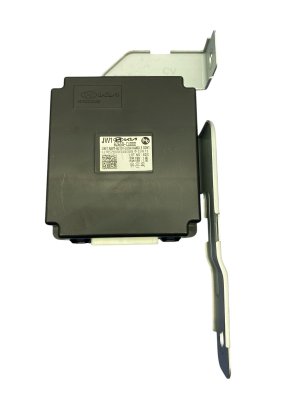
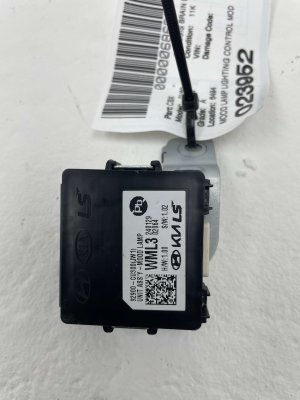
- Match the Part Number: The OEM part number must be an exact match. For the 2023-2025 GV60, the known part number is 888E0-CU000. Verify this number on the label of the module you are considering.
- Verify the Source: Ensure the module comes from a collision-free vehicle. Reputable recyclers will provide the VIN of the donor car, which you can use to check its history.
- Inspect for Damage: Physically inspect the module for any signs of corrosion, water damage, or physical harm to the casing or connector pins. A module from a flood-damaged car is useless and dangerous.
- Factor in Programming Costs: Remember that the price of the used part is not the final cost. You must add the cost of professional installation and, most importantly, dealer programming.
Cost Breakdown
The cost to replace the SRS control module can vary significantly based on whether you choose a new or used part. Labor costs for the physical swap are relatively low, but programming adds to the total.
| Part/Service | Estimated Cost |
|---|---|
| New OEM Module | $650 - $700 |
| New Aftermarket Module | Not Generally Available |
| Used OEM Module | $100 - $250 |
| Shop Labor (Installation & Programming) | $150 - $250 |
Frequently Asked Questions (FAQ)
Can I replace the SRS control module myself?
While the physical replacement may be possible for an experienced DIY mechanic (it's often located under the center console), the mandatory programming requires specialized dealer-level tools. For this reason, DIY replacement is not recommended for this part.
Will a used module from a different GV60 work in my car?
Yes, provided the part number is identical and it comes from a non-wrecked vehicle. However, it will still need to be reprogrammed with your car's specific VIN and option configuration to function.
Can I just reset the SRS light myself?
No. A standard OBD-II code reader cannot access or clear SRS fault codes. Even with a professional tool, the light will immediately return if the underlying fault (e.g., the bad module) is not repaired first. The light is a critical safety warning that should not be ignored or bypassed.
Is the Seat Belt Control Module the same as the Airbag Control Module?
Yes, these terms, along with SRS Control Module, are often used interchangeably to refer to the same computer that controls the entire Supplemental Restraint System. The system includes airbags, seat belt pretensioners, and all related sensors.
Technical Specifications
OEM Part Numbers: 888E0-CU000
The module acts as the central computer for the Supplemental Restraint System (SRS), coordinating crash sensors, airbags, and seat belt pretensioners.
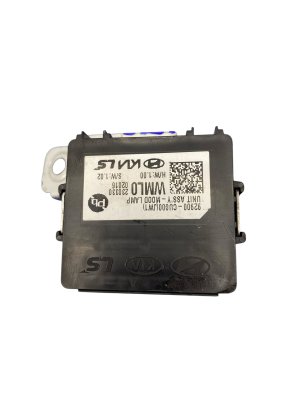
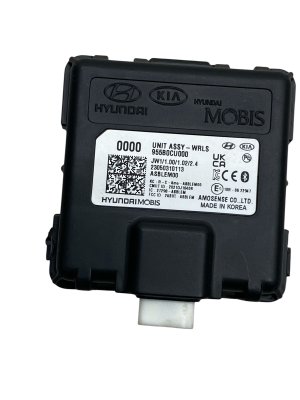
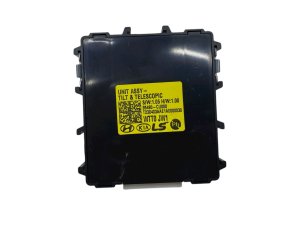
We Have This Part in Stock

The information in this article is provided for general reference and educational purposes only. Vehicle specifications, procedures, and part compatibility can vary by production date, trim level, and region. Always consult your vehicle's factory service manual and verify part numbers before purchasing or performing repairs. Safety-critical components such as airbags, seat belts, and braking systems should be installed by a qualified professional.
- Genesis GV60:
- 🛍️ Shop This Part
- Known Issues, Recalls, and TSBs
- NHTSA Recall 23V-149: Exploding Seat Belt Pretensioners
- NHTSA Recall 23V-557: Faulty Seat Belt Retractor
- Symptoms of a Failing Seat Belt Control Module
- Programming and Replacement Requirements
- Programming is Mandatory
- Who Can Program the Module?
- Buying a Used Seat Belt Control Module
- Cost Breakdown
- Frequently Asked Questions (FAQ)
- 🎟️ Get 5% Off