

2004-2005 Mitsubishi Endeavor Seat Belt: SRS Light & Pretensioner Failures
This guide explains common seat belt problems in the 2004-2005 Endeavor, the critical importance of the SRS system, and what to inspect when buying a used assembly.
- Professional installation and an SRS system reset with a scan tool are mandatory for safety and functionality; this is not a DIY job.
- An illuminated SRS light means your airbags are likely disabled. Do not ignore this warning.
- Never install a seat belt assembly from a vehicle that has been in a collision, as the explosive pretensioner is a one-time-use component.
- Always verify the OEM part number on the replacement unit matches your original part to ensure electrical compatibility.
Symptoms of a Failing Seat Belt Assembly
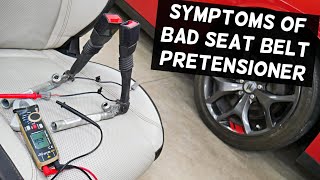
A faulty seat belt is a critical safety issue. 🎬 Watch: Common symptoms of a bad seat belt pretensioner. If you notice any of these symptoms, the vehicle should be inspected by a professional immediately.
SRS Warning Light is On
The most common symptom of a seat belt assembly failure is an illuminated SRS (Supplemental Restraint System) warning light on your dashboard. This light indicates that the vehicle's computer has detected a fault in the safety system, which often points to a problem with the seat belt pretensioner's electrical circuit or a faulty sensor. When the SRS light is on, there is a high probability that the airbags will not deploy in a collision. 🎬 See the top reasons your SRS light stays on. The system is designed to default to a safe mode, which means disabling deployment to prevent unpredictable behavior.
Physical Damage to the Belt
Visually inspect the seat belt webbing. Any signs of fraying, cuts, or severe wear compromise the belt's ability to restrain you in a crash. Also, check for melting or burn marks on the plastic trim of the retractor assembly, which can be a sign that the pretensioner has previously deployed.
Retractor or Latch Malfunction
A seat belt that fails to retract, retracts very slowly, or gets stuck is a sign of a failing retractor mechanism. Similarly, if the buckle doesn't latch securely or fails to release, the entire assembly needs to be addressed. While sometimes this can be caused by dirt or debris, it can also indicate a mechanical failure within the unit.
Known Issues, Recalls, and Technical Service Bulletins (TSBs)
While there are no widespread recalls specifically for the main seat belt retractor or pretensioner on the 2004-2005 Endeavor, it's important to be aware of related safety notices.
- NHTSA Recall 08V-022 (OEM SR-08-001): This recall was for a potentially faulty right front seat belt bracket on some Mitsubishi vehicles, which could fail in a crash. While the Endeavor was part of a group of vehicles under scrutiny, it's crucial to verify if a specific vehicle was included.
- TSB-06-52A-001 (NHTSA ID: 10020105): Mitsubishi issued a technical service bulletin regarding the replacement of seat belt stopper buttons. This is a minor component but indicates dealer-level procedures exist for some seat belt parts.
- TSB-04-52B-002 (NHTSA ID: 10007524): This bulletin was a service manual revision for advanced airbag troubleshooting procedures, highlighting the complexity of the SRS system in these vehicles.
CRITICAL SAFETY WARNING: Professional Installation and SRS Reset Required
Seat belt assemblies are not simple mechanical parts; they are integrated SRS components containing a pyrotechnic explosive charge. Improper handling or installation can lead to accidental deployment, causing serious injury. Furthermore, simply swapping the part is not enough. After installation, the SRS control module must be reset using a professional-grade scan tool to clear the fault codes and re-enable the airbag system. Failure to do so will leave the SRS light on and the airbags non-functional. For safety and legal liability reasons, installation must be performed by a qualified technician with experience in SRS systems.
Buying a Used 2004-2005 Endeavor Seat Belt Assembly
A quality used OEM seat belt assembly can be a safe and cost-effective alternative to an expensive new part, provided you know what to look for.
What to Physically Inspect
- Never Buy a Deployed Belt: A seat belt that has been in a moderate to severe collision is a one-time-use part. The pretensioner will have fired, and the webbing may be stretched. Inspect the unit for any signs of activation, such as a locked belt that won't extend, melted plastic, or a compressed buckle pretensioner.
- Webbing Condition: Pull the belt out fully and check for any cuts, fraying, or chemical stains. The webbing should be clean and in excellent condition.
- Electrical Connector: Inspect the yellow electrical connector and its wires. They should be free of corrosion, cuts, or any signs of being repaired. A damaged connector is a major red flag.
- Part Number Verification: Ensure the OEM part number on the used assembly (e.g., 7000C771, MR966393XA) matches the one you are replacing. While parts may look similar, internal resistance values can differ between models and years.
Cost Comparison
Prices for seat belt assemblies can vary significantly. Here is an approximate cost breakdown:
| Part Type | Estimated Cost |
|---|---|
| New OEM | $250 - $400+ |
| New Aftermarket | Not commonly available due to safety regulations. |
| Used OEM | $50 - $150 |
| Shop Labor for Installation | $100 - $200 |
Frequently Asked Questions (FAQ)
Can I install a used seat belt myself to save money?
No. This is strongly discouraged due to the explosive pretensioner and the need to reset the SRS computer. An error during installation could lead to serious injury or a non-functional airbag system. The legal and personal risk far outweighs the cost savings.
Why is my SRS light still on after replacing the seat belt?
The SRS control module stores "hard codes" when a fault is detected. These codes do not clear themselves, even after the faulty part is replaced or the battery is disconnected. A professional scan tool is required to communicate with the SRS module and clear the stored data.
Is a seat belt from a junkyard car safe?
It can be, but only if the vehicle was not involved in a collision. You must verify that the donor vehicle has no signs of front or side impact. The safest bet is to purchase from a reputable recycler who guarantees the part has not been deployed.
What's the difference between a single-stage and dual-stage seat belt?
This refers to the number of explosive charges (pretensioners) in the assembly. A single-stage belt has one electrical connector and one charge. A dual-stage belt has two connectors and two charges, allowing for a variable deployment force. It is critical to match the type exactly, as they are not interchangeable.
Helpful Videos

Technical Specifications
OEM Part Numbers: 7000C771 MR966393XA
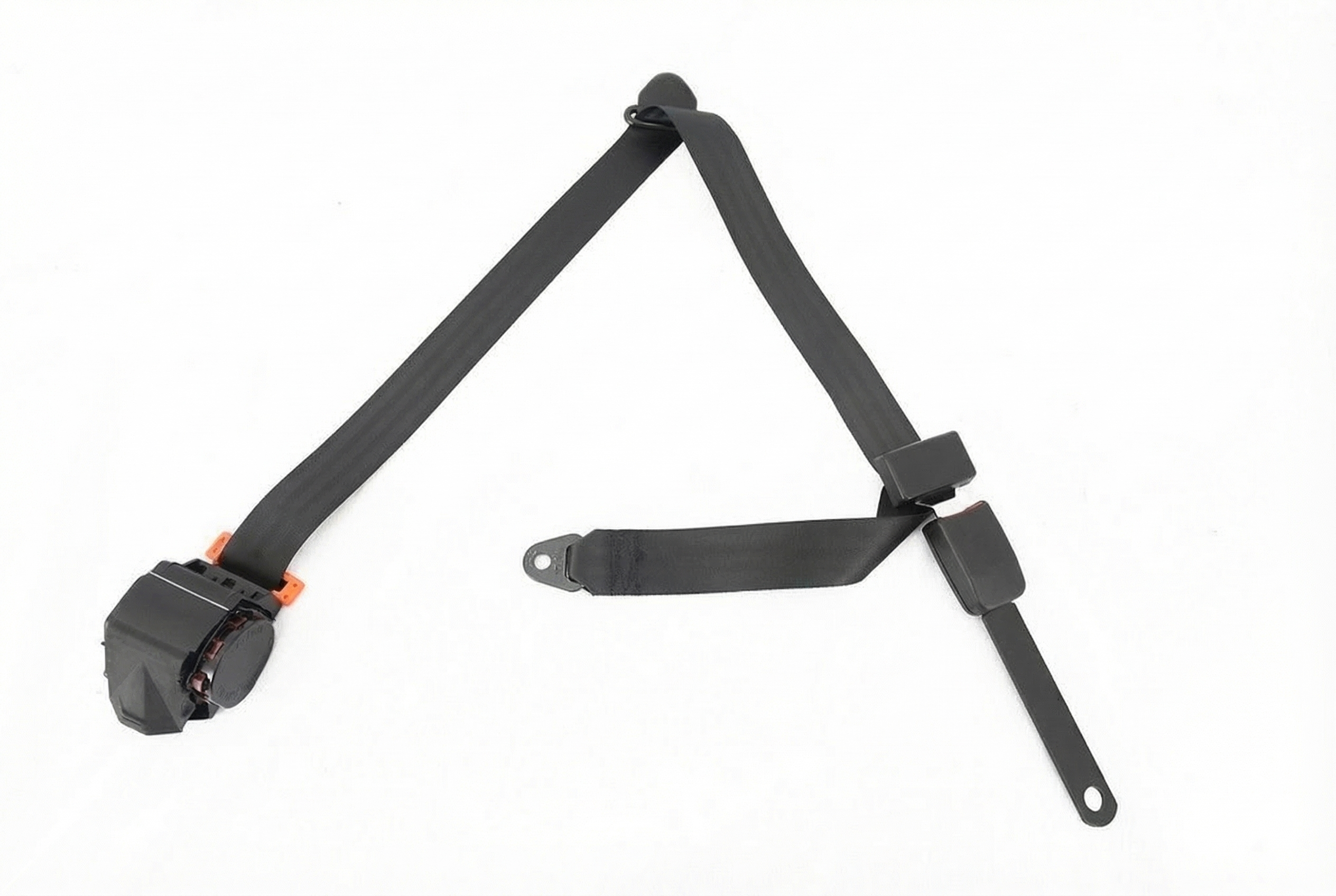
The assembly includes a pyrotechnic pretensioner that is part of the Supplemental Restraint System (SRS). It uses a specific electrical resistance value that must match the SRS module's expectations. Most assemblies for this model are single-stage, identified by a single electrical connector.
We Have This Part in Stock



The information in this article is provided for general reference and educational purposes only. Vehicle specifications, procedures, and part compatibility can vary by production date, trim level, and region. Always consult your vehicle's factory service manual and verify part numbers before purchasing or performing repairs. Safety-critical components such as airbags, seat belts, and braking systems should be installed by a qualified professional.
- Mitsubishi Endeavor:
- 🎬 Helpful Videos
- 🛍️ Shop This Part
- Symptoms of a Failing Seat Belt Assembly
- SRS Warning Light is On
- Physical Damage to the Belt
- Retractor or Latch Malfunction
- Known Issues, Recalls, and Technical Service Bulletins (TSBs)
- Buying a Used 2004-2005 Endeavor Seat Belt Assembly
- What to Physically Inspect
- Cost Comparison
- Frequently Asked Questions (FAQ)
- 🎟️ Get 5% Off