

2014-2020 Mercedes CLA & GLA Seat Belt Assembly: SRS Warnings and Replacement Guide
This guide covers common failures, SRS light diagnosis, and why professional installation is mandatory for the seat belt systems in the CLA250, CLA45 AMG, GLA250, and GLA45 AMG.
- Professional installation and SRS module reset are mandatory for this part to function correctly and ensure your safety.
- An active SRS warning light means the vehicle's airbags and seat belt pretensioners are likely disabled and will not work in a crash.
- When buying a used seat belt assembly, you must verify it has not been deployed in an accident; a deployed unit will be locked and is unusable.
- Always check your VIN with a Mercedes-Benz dealer for open safety recalls, even if none are widely reported for your specific issue.
Professional Installation is Mandatory
Warning: This is not a DIY part. The seat belt assembly is an integral part of your vehicle's Supplemental Restraint System (SRS). Improper installation can lead to the complete failure of the seat belt and airbag systems during a collision. After replacement, the SRS control module must be professionally scanned and reset to clear fault codes and ensure the system is active. Attempting to install this part yourself poses a significant safety risk and may result in legal liability in the event of an accident.
Understanding the SRS Warning Light
The most common indicator of a problem with the seat belt assembly is an illuminated SRS warning light on your dashboard. SRS stands for Supplemental Restraint System. When this light is on, it means the onboard computer has detected a fault in one of the safety components, such as a seat belt pretensioner, an airbag, or a sensor. The most serious consequence of ignoring this light is that the entire SRS system—including all airbags and seat belt pretensioners—may be disabled and will not deploy in an accident. It is critical to have the system diagnosed by a qualified technician as soon as the light appears.
Symptoms of a Failing Seat Belt Assembly
Mechanical Symptoms
- Slow or No Retraction: The belt does not retract smoothly or quickly back into the pillar when unbuckled, often leaving it hanging loosely. This can be caused by a weakened internal spring or debris inside the retractor mechanism.
- Failure to Extend or Latch: You have to tug forcefully to pull the belt out, or it gets stuck. The buckle may also fail to click into place or release properly.
- Grinding or Clicking Noises: Unusual sounds when pulling the belt out or letting it retract can indicate worn or broken gears inside the retractor.
- Frayed or Damaged Webbing: Visible cuts, tears, or fraying on the belt material compromises its strength and is an immediate safety failure.
- Frequent Locking: The belt locks up during normal, gentle pulling, not just during a sudden stop. This points to a faulty locking mechanism within the retractor.
Electronic Symptoms
- SRS Warning Light: As mentioned, this is the primary indicator of an electrical fault with the pretensioner component of the seat belt assembly. A diagnostic scan is required to confirm the specific fault code.
Known Recalls and Service Bulletins
There is a known safety recall for some 2018-2019 Mercedes-Benz GLA250 vehicles concerning the anchor plate for the rear middle seat belt, which could be loose. This specific recall, NHTSA campaign number 19V601000 (Mercedes-Benz number 2019080010), does not apply to the front seat belt assemblies covered in this guide. While no widespread recalls were found for the front seat belt assemblies on all listed models and years, it is always recommended to check your vehicle's specific Vehicle Identification Number (VIN) with a Mercedes-Benz dealership or on the NHTSA website for any open safety campaigns.
Buying a Used Seat Belt Assembly: A Safety Checklist
A used OEM seat belt assembly can be a safe and cost-effective option, but only if it is inspected carefully. Never install a part that shows any signs of having been in a collision.
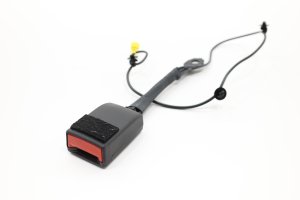
- Confirm it has NOT been deployed: This is the most critical check. A deployed pretensioner means the belt was in a vehicle during a crash. The belt will be locked and will not extend or retract. The electrical connector may also look melted or burnt. Do not purchase a belt in this condition; it is useless and unsafe.
- Inspect the Webbing: Pull the entire length of the belt out. Look for any cuts, fraying, discoloration, or stretching. The material should be clean and consistent in texture.
- Test the Retractor: Pull the belt out smoothly and let it go. It should retract fully and without hesitation. Give the belt a sharp, quick tug to ensure the locking mechanism engages properly.
- Check the Electrical Connector: The plastic connector and wiring should be intact, with no cracks, bent pins, or signs of corrosion.
- Verify Part Numbers: Ensure the OEM part number on the unit (e.g., A1178601385) matches the part required for your vehicle.
Pro Tip: For safety-critical SRS components, a verified, non-deployed used OEM part is often a safer choice than a new, non-certified aftermarket part due to guaranteed fitment and adherence to original factory safety standards.
Cost Comparison
| Part Type | Estimated Cost |
|---|---|
| New OEM (Dealer) | $400 - $585 |
| New Aftermarket | Not commonly available |
| Used OEM | $75 - $200 |
| Shop Labor | $150 - $250 |
Frequently Asked Questions (FAQ)
Can I install a seat belt assembly myself?
No. This is a safety-critical component of the SRS system. Replacement requires disconnecting the battery, carefully handling pyrotechnic charges, and most importantly, resetting the SRS control module with a professional-grade diagnostic tool after installation. Failure to do so will leave the SRS light on and the safety systems inactive.
What does the SRS light on my dashboard mean?
It means the Supplemental Restraint System has detected a fault. This system includes your airbags and seat belt pretensioners. When the light is on, you should assume these safety features will NOT work in a crash. Common causes include a faulty seat belt pretensioner, a bad sensor, or a wiring issue.
Will a used seat belt from a junkyard work?
It can, but only if it was sourced from a vehicle that was not in a significant collision. You must carefully inspect it to ensure the pretensioner has not been fired and the belt webbing is in perfect condition. A deployed seat belt is completely locked and cannot be reused.
Does the SRS system need to be reset after replacing a seat belt?
Yes, absolutely. After the new part is installed, a technician must use a compatible diagnostic scanner to communicate with the SRS control module, clear the stored fault codes related to the old part, and verify the entire system is functioning correctly. This is not something a standard OBD-II code reader can do.
Technical Specifications
OEM Part Numbers: 1178601385 A1178601385 11786013859C94 1178600185
Contains a pyrotechnic pretensioner charge, which is a hazardous material.
We Have This Part in Stock
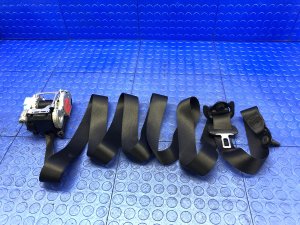
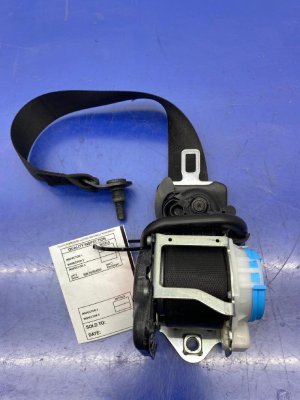
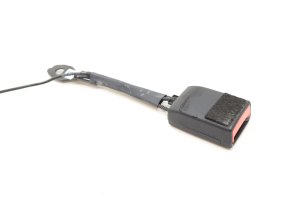
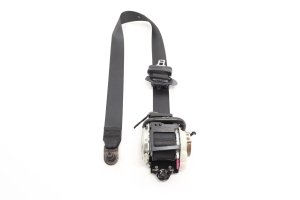

The information in this article is provided for general reference and educational purposes only. Vehicle specifications, procedures, and part compatibility can vary by production date, trim level, and region. Always consult your vehicle's factory service manual and verify part numbers before purchasing or performing repairs. Safety-critical components such as airbags, seat belts, and braking systems should be installed by a qualified professional.
- Mercedes-Benz GLA250:
- Mercedes-Benz CLA250:
- Mercedes-Benz GLA45 AMG:
- Mercedes-Benz CLA45 AMG:
- 🛍️ Shop This Part
- Professional Installation is Mandatory
- Understanding the SRS Warning Light
- Symptoms of a Failing Seat Belt Assembly
- Mechanical Symptoms
- Electronic Symptoms
- Known Recalls and Service Bulletins
- Buying a Used Seat Belt Assembly: A Safety Checklist
- Cost Comparison
- Frequently Asked Questions (FAQ)
- 🎟️ Get 5% Off