

2008-2012 Taurus, MKS, Flex & More: Seat Belt Pretensioner & SRS Light Guide
Diagnosing a locked seat belt or airbag light in your Ford Taurus, Lincoln MKS, Ford Flex, Taurus X, Mercury Sable, or Lincoln MKT.
- This is a critical safety component containing an explosive charge; professional installation and an SRS system reset are mandatory.
- The most common symptom of failure is a persistent SRS or airbag warning light on the dashboard.
- A locked seat belt that won't move means the pretensioner has fired and the assembly must be replaced.
- When buying used, you must get a guarantee from the seller that the part was not deployed in a crash.
Symptoms of a Failing Seat Belt Assembly
A problem with a seat belt pretensioner will almost always alert you with a dashboard warning light. Ignoring these signs can mean the entire SRS system, including airbags, may not function in a crash.
1. SRS or Airbag Warning Light is On
This is the most common and immediate sign of a fault. The SRS computer continuously monitors all its components, including the seat belt pretensioners. If it detects a problem with the pretensioner's electrical circuit (like high or low resistance) or if the component has been deployed, it will trigger the warning light. A diagnostic scan tool that can read SRS codes is needed to identify the specific fault.
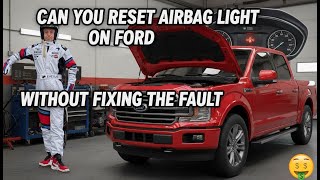
🎬 Watch: How to diagnose and fix an SRS warning light.2. Seat Belt is Locked and Will Not Move
If a seat belt is completely locked and will not extend or retract, it's a definitive sign that the pyrotechnic pretensioner has been fired. This can happen even in a minor fender bender where the airbags did not deploy. Once a pretensioner fires, it is a single-use device and the entire component (either the retractor or the buckle) must be replaced.
3. Slow or Incomplete Retraction
If the seat belt retracts very slowly or you have to feed it back into the pillar, the retractor mechanism may be failing. Often, this is caused by years of dirt and grime accumulating on the belt webbing, causing it to bind inside the retractor. While sometimes cleaning the belt can help, it can also indicate a worn-out spring inside the retractor assembly.
🎬 See this guide on troubleshooting a slow seat belt retractor.4. Buckle Fails to Latch or Releases Unexpectedly
A worn or damaged buckle may not click securely when you insert the belt tongue, or it may release on its own. This is a critical safety failure and indicates the internal locking mechanism of the buckle assembly is broken and requires immediate replacement.
Known Issues, Recalls, and Technical Service Bulletins (TSBs)
While there are no major recalls specifically for the seat belt assemblies on this group of vehicles, there is a critical safety recall related to the SRS system that owners must be aware of.
NHTSA Recall 16V-247 (Ford Campaign 16C06)
This important recall affects the driver's frontal airbag, not the seat belt itself. However, it applies to many of the same vehicles covered in this guide.
- Affected Vehicles: 2008 & 2010-2012 Ford Taurus, 2008-2009 Ford Taurus X, 2008 Mercury Sable, 2009-2012 Ford Flex, and 2009 & 2011 Lincoln MKS.
- Issue: The driver's frontal airbag may not inflate properly during the second stage of deployment in a high-speed crash, increasing the risk of injury.
- Remedy: Ford dealers will inspect and, if necessary, replace the driver's airbag module free of charge.
It is essential to use your Vehicle Identification Number (VIN) on the NHTSA website to check if your specific vehicle is affected by this or any other open recalls.
CRITICAL SAFETY WARNING: Professional Installation is Required
Seat belt assemblies with pretensioners are classified as hazardous materials (HazMat) because they contain an explosive charge. They are a core part of your vehicle's life-saving SRS system. Under no circumstances should an untrained individual attempt to replace a seat belt pretensioner.
- Risk of Injury: Mishandling a pretensioner can cause it to deploy accidentally, leading to serious injury.
- System Deactivation: Incorrect installation can cause the entire SRS system, including all airbags, to be disabled. The SRS light will remain on, and you will have no airbag protection in a crash.
- Legal Liability: Installing safety-critical components like seat belts and airbags carries significant legal liability. If the part is installed incorrectly and fails in a subsequent collision, the installer could be held responsible for resulting injuries.
Always have SRS components installed by a qualified, professional technician who understands the proper procedures for handling and system verification.
Buying a Used Seat Belt Assembly: What to Look For
A used OEM seat belt assembly can be a safe and cost-effective alternative to an expensive new part, but only if you buy from a reputable source and perform careful inspections. The single most important rule is: never install a seat belt from a vehicle that was in a collision where the SRS system deployed.
- Source is Everything: Only purchase from professional auto recyclers who can guarantee the part came from a vehicle where the airbags and pretensioners did not deploy. They have the expertise to identify and properly handle SRS components.
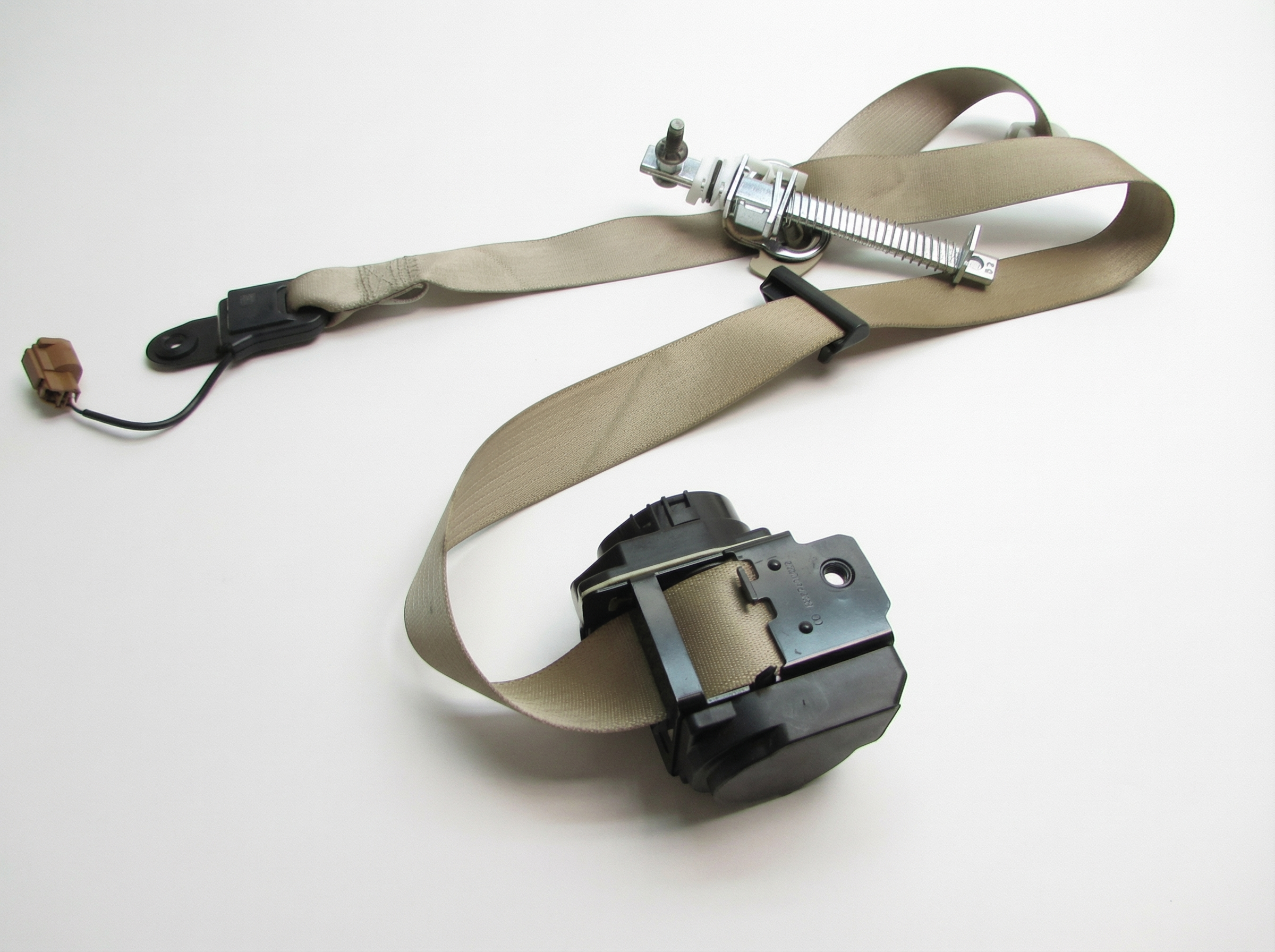
- Inspect the Webbing: The belt material should be free of any cuts, frays, tears, or chemical stains. A frayed belt can snap in a collision. Pull the belt all the way out to inspect its entire length.
- Check for Smooth Operation: The belt should retract smoothly and quickly on its own. If it's slow or jams, the retractor mechanism is likely worn. Test the buckle to ensure it latches and unlatches with a crisp, positive click.
- Examine the Connectors: Check the electrical connector and wiring pigtail. They should be clean, dry, and free of any corrosion or damage. Do not buy a part with a cut or spliced connector.
- Why Used OEM is a Good Choice: For a non-deployed component, a used OEM assembly offers the same fit, function, and safety engineering as the original part, often at a fraction of the price of a new one from the dealer. Aftermarket SRS components are rare and generally not recommended due to potential quality and compatibility issues.
Replacement and SRS System Reset
The replacement process involves removing interior trim panels to access the retractor in the B-pillar and unbolting the buckle from the seat frame. 🎬 Watch: Professional walkthrough of the seat belt replacement process. A technician will perform the following critical steps:
- Disconnect the Battery: The negative battery terminal MUST be disconnected, and the technician must wait at least 15-30 minutes before beginning work. This allows the capacitors in the SRS module to fully discharge, preventing accidental deployment.
- Component Replacement: The old part is unbolted and its electrical connector is unplugged. The new part is then bolted in place (often with specific torque specs) and plugged in.
- SRS Module Reset: After the battery is reconnected, the SRS module must be scanned for fault codes. If the replacement was successful, the technician will use a professional scan tool to clear any stored codes related to the old, faulty part. In many cases, once the fault is corrected, the SRS light will turn off on its own.
Cost of Replacement
Prices can vary based on location and which part has failed (retractor or buckle). Labor typically takes 1-2 hours.
| Part/Service | Estimated Cost |
|---|---|
| New OEM Assembly (Retractor) | $200 - $325 |
| New OEM Assembly (Buckle) | $95 - $120 |
| Used OEM Assembly (Non-Deployed) | $75 - $150 |
| Mail-In Repair Service (Rebuild) | $65 - $100 |
| Shop Labor | $120 - $250 |
Frequently Asked Questions (FAQ)
Can I just clear the SRS light without replacing the part?
No. If the SRS light is on due to a faulty or deployed pretensioner, the code will return immediately after being cleared. The light is indicating a real safety issue that must be physically repaired. The entire SRS system may be disabled until the fault is corrected.
Is a slow retracting seat belt a safety issue?
Yes. While it may not trigger an SRS light, a belt that doesn't retract properly can get caught in the door, become damaged, and may not hold you securely in the initial moments of a crash. It indicates the retractor is failing and should be replaced.
My car had a small bump and now the seat belt is locked. Do I need to replace it?
Yes. A locked seat belt is the primary sign that the pretensioner has fired. It is a one-time use device. Even if there is no visible damage to the car, the pretensioner did its job and must be replaced for the system to be ready for a future event.
Does this part fit models with a front bench seat?
No. The part numbers and information in this guide are specifically for models equipped with front bucket seats. They will not fit the rare models that may have a front bench seat.
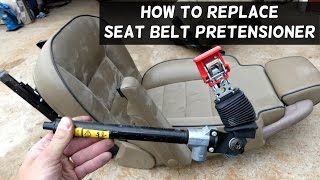
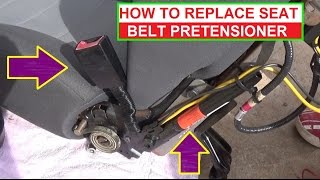
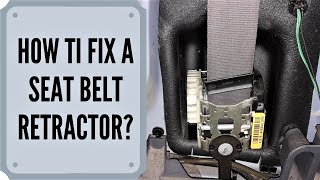
Helpful Videos


Technical Specifications
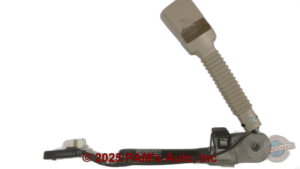
OEM Part Numbers: 8A5Z5461203AC (Buckle) 8G1Z54611B08AD (Retractor) 8G1Z54611B09AC (Retractor) 8G1Z54611B09AD (Retractor) 8G1Z54611B09AE (Retractor) 8G1Z5461202AB (Buckle) 8G1Z5461202AC (Buckle) 9A5Z54611B08AB (Retractor) AG1Z5461202AB (Buckle) BG1354612D34AD BG1354612D35AD BG1Z54611B08AC (Retractor) BG1Z54611B08AG (Retractor) BG1Z54611B08AH (Retractor) BG1Z54611B08AL (Retractor)
Designed for vehicles with front bucket seats only. Contains a pyrotechnic pretensioner charge. Integrated part of the Supplemental Restraint System (SRS).
We Have This Part in Stock





The information in this article is provided for general reference and educational purposes only. Vehicle specifications, procedures, and part compatibility can vary by production date, trim level, and region. Always consult your vehicle's factory service manual and verify part numbers before purchasing or performing repairs. Safety-critical components such as airbags, seat belts, and braking systems should be installed by a qualified professional.
- Ford Taurus:
- Lincoln MKS:
- Ford Taurus X:
- Mercury Sable:
- Ford Flex:
- Lincoln MKT:
- 🎬 Helpful Videos
- 🛍️ Shop This Part
- Symptoms of a Failing Seat Belt Assembly
- 1. SRS or Airbag Warning Light is On
- 2. Seat Belt is Locked and Will Not Move
- 3. Slow or Incomplete Retraction
- 4. Buckle Fails to Latch or Releases Unexpectedly
- Known Issues, Recalls, and Technical Service Bulletins (TSBs)
- NHTSA Recall 16V-247 (Ford Campaign 16C06)
- Buying a Used Seat Belt Assembly: What to Look For
- Replacement and SRS System Reset
- Cost of Replacement
- Frequently Asked Questions (FAQ)
- 🎟️ Get 5% Off