

2019-2024 Audi A8 & S8 Carbon Fiber Seat Back Panel: Rattles, Damage, and Replacement
This guide covers common issues, part number variations, and what to inspect when buying a used OEM carbon fiber seat back panel for your D5 generation Audi A8 or S8.
- The most common issue is not panel failure, but a cracking or rattling noise, often caused by the internal lumbar support as described in TSB 72 24 59.
- Part compatibility is complex; you must use the VIN to find the correct part number for your specific finish (e.g., carbon fiber) and options (lighting, rear entertainment).
- When buying a used panel, the most critical inspection is of the plastic mounting clips on the back; broken clips will result in a loose fit and rattles.
- Replacement is a manageable DIY task using plastic trim tools, but care must be taken to avoid breaking the clips on the new panel during installation.
Symptoms of a Failing Seat Back Panel
Since the seat back panel is a trim piece, "failure" typically relates to cosmetic issues or noises rather than mechanical breakdown. Here are the most common symptoms owners of the D5 generation Audi A8 and S8 may experience.
1. Rattling, Creaking, or Cracking Noises
A persistent rattle or creak coming from the front seat area is a frequent complaint. While the panel itself can become loose and rattle if its clips are broken, the noise may also come from components directly behind it. Audi has issued a Technical Service Bulletin (TSB) for a cracking noise from the front seat backrests on many 2020-2024 models, including the A8 and S8. This noise is often caused by the riveted fasteners of the internal lumbar support mechanism. Owners may mistakenly believe the noise is from the panel itself, as it emanates from the same location.
2. Loose Fit or Detachment
The panel may feel loose or have a noticeable gap between it and the seat frame. This is almost always caused by broken or disengaged mounting clips. These clips can be damaged during removal for other seat repairs or can become brittle over time. In some cases, the points on the panel where the clips attach can break, preventing the panel from seating securely. While less common on newer vehicles, the adhesive holding the clip mounts to the panel can fail, as seen in older Audi models.
3. Cosmetic Damage
For panels with a carbon fiber finish, cosmetic damage is a primary concern. This can include:
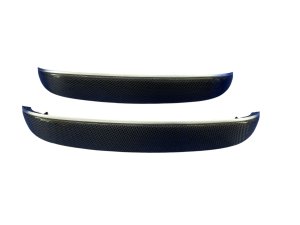
- Scratches and Scuffs: The high-gloss clear coat over the carbon fiber can get scratched by cargo or by passengers in the rear seat. Minor surface scratches can sometimes be polished out, but deep scratches that penetrate the clear coat are difficult to repair.
- Delamination or Yellowing: Over time, exposure to UV light and temperature cycles can cause the clear coat to yellow or delaminate (peel away) from the carbon fiber weave. This is a sign of age and environmental exposure.
- Cracks: A direct impact can cause the rigid panel to crack. This is not repairable and requires replacement.
Known Issues, TSBs, and Recalls
While there are no recalls specifically for the seat back panel, there are several service bulletins and recalls related to the front seats of the 2019-2024 Audi A8 and S8 that are useful to know.
Technical Service Bulletin: TSB 72 24 59 (2074721/2)
This is the most relevant issue for owners diagnosing noises from this area.
- Vehicles Affected: A wide range of Audi models, including the 2020-2024 A8 and S8.
- Complaint: A customer may report cracking or popping noises from the frame of the front seat backrests.
- Cause: The noise has been traced to the riveted fasteners of the lumbar support mechanism inside the seat.
- Solution: The official fix involves replacing the affected lumbar support assembly.
Other Seat-Related Recalls
The following recalls do not involve the seat back panel itself but concern the front seat assembly. Always check your vehicle's VIN on the NHTSA website or with an Audi dealer to see if it is affected.
- Recall 72J3 (2019 A8): A small number of vehicles were recalled for a potentially faulty front passenger seat track rivet, which could increase injury risk in a crash.
- Recall (2022-2023 A8/S8): An issue with an incorrectly folded front passenger airbag module led to a recall, as it could deploy with excessive force.
- Recall 69GU (2024 A8): A recall was issued for a loose electrical connection in the passenger seat that could deactivate the occupant detection system and, consequently, the airbag.
Compatibility Warning: There are many variations of this part. The correct part number depends on your vehicle's seat type (e.g., standard, sport), interior trim finish (Carbon, Piano Black, Walnut, etc.), and options like the ambient lighting package (QQ1/QQ2) or the Rear Seat Entertainment package (which includes docking ports on the panels). Always verify the part number with a VIN before purchasing.
Buying a Used Seat Back Panel
Buying a used OEM seat back panel is often a smart choice, as it ensures perfect fitment and material quality, which can be a problem with aftermarket trim. However, careful inspection is key.
What to Check Before You Buy
- Inspect All Mounting Clips and Tabs: This is the most critical inspection point. The panel attaches to the seat frame with a series of plastic clips. Ask the seller for clear, close-up photos of the back of the panel. Look for any broken, cracked, or missing clips and check the plastic bosses on the panel where the clips mount for any signs of stress or breakage. A panel with broken clips will not fit securely and will likely rattle.
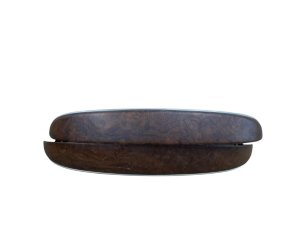
- Verify the Finish and Features: Confirm the panel's finish (e.g., carbon fiber weave, wood grain) matches your car's interior exactly. Check for features related to your car's options, such as openings for ambient light strips or the mounting docks for the rear entertainment tablets.
- Examine the Cosmetic Condition: For carbon fiber panels, look closely for deep scratches that go through the clear coat. Check for any signs of yellowing or peeling, which indicates UV damage. For wood panels, look for cracks in the lacquer.
- Confirm the Part Number: If possible, get the exact part number from the seller and cross-reference it with your vehicle's VIN through a dealer or online parts catalog. The base numbers are 4N0881607 (Left) and 4N0881608 (Right), but the suffixes are what determine the specific finish and options.
Pro Tip: If you are buying a used panel because yours is cosmetically damaged but its clips are intact, you may be able to transfer the old clips to the new panel if the replacement part has a few broken ones. However, it is always better to find a replacement with all clips intact.
Installation Guide
Replacing the seat back panel is generally a straightforward process that does not require removing the entire seat. However, it requires care to avoid damaging the clips or the seat upholstery.
Difficulty: 2 out of 5
Estimated Time: 0.5 hours per side
Tools Needed:
- Plastic trim removal tools
- Flashlight
Step-by-Step Process (General):
- Prepare the Area: Move the front seat forward and tilt the seatback forward to create as much room as possible for working from the rear passenger area.
- Locate the Clips: The panel is held in place by pressure clips around its perimeter. You may need to gently pry at the edges with a plastic trim tool to identify their locations.
- Release the Clips: Carefully insert a plastic trim removal tool near a clip and apply steady pressure to release it. Work your way around the panel, releasing one clip at a time. Do not use excessive force, as the clips or the panel itself can break.
- Disconnect Electronics (if applicable): If your panel has connections for ambient lighting or a rear entertainment dock, be prepared to disconnect them as you pull the panel away from the seat.
- Install the New Panel: Align the clips on the new panel with the corresponding slots in the seat frame. Once aligned, give the panel a firm push at each clip location to snap it into place. You should hear an audible click as each clip engages.
- Final Check: Gently pull on the edges of the panel to ensure all clips are securely fastened and there are no loose spots or rattles.
Warning: The front seats contain airbags and sensitive electronics. While replacing just the back panel should not require disconnecting the battery, avoid probing deep into the seat's internals. If you are ever unsure or need to disconnect any wiring, it is safest to disconnect the vehicle's battery first and wait 15-20 minutes for the systems to discharge.
Cost Comparison
Prices for these panels vary significantly based on the finish. The costs below are estimates for a single carbon fiber panel.
| Part Type | Estimated Cost (Per Panel) |
|---|---|
| New OEM | $270 - $430 |
| Used OEM | $140 - $200 |
| New Aftermarket | Not widely available as full replacements. Stick-on covers vary in price and quality. |
| Shop Labor | $75 - $150 |
Frequently Asked Questions
How do I know which seat back panel part number is correct for my A8 or S8?
The only certain way is to use your vehicle's 17-digit VIN. An Audi dealership parts department or a reputable online OEM parts seller can use your VIN to look up the exact part number that corresponds to your car's specific interior trim, seat type, and options package.
Can a scratched carbon fiber seat back panel be repaired?
It depends on the severity. Light surface scratches in the clear coat can often be polished out by a professional detailer using fine compounds, similar to polishing car paint. However, if the scratch is deep enough to be felt with a fingernail or has gone through the clear coat into the carbon weave, it cannot be effectively repaired and the panel would need to be replaced.
What causes the cracking or rattling noise from the front seat back?
While a loose panel can cause rattles, a common cause is the internal lumbar support mechanism. Audi issued TSB 72 24 59 for a cracking noise from the lumbar support's riveted fasteners. If your panel is secure but you hear noise, this TSB is the likely culprit.
Is it difficult to replace the seat back panel myself?
For a person comfortable with basic auto interior work, it is not very difficult. The main challenge is releasing the plastic clips without breaking them. Using proper plastic trim removal tools and applying slow, steady pressure is key. If your vehicle has rear entertainment screens, you will also need to carefully disconnect the wiring.
Technical Specifications
OEM Part Numbers: 4N0881607 4N0881608 4N0881607BH2WF 4N0881607P1LQ 4N0881608E1LQ 4N0881608N2VE 4N0881607BJ2XB 4N0881608J2XB
Material: Varies - Carbon Fiber, Piano Black plastic, various wood veneers. Attachment: Plastic pressure clips.
We Have This Part in Stock

The information in this article is provided for general reference and educational purposes only. Vehicle specifications, procedures, and part compatibility can vary by production date, trim level, and region. Always consult your vehicle's factory service manual and verify part numbers before purchasing or performing repairs. Safety-critical components such as airbags, seat belts, and braking systems should be installed by a qualified professional.
- Audi S8:
- Audi A8 Quattro:
- 🛍️ Shop This Part
- Symptoms of a Failing Seat Back Panel
- 1. Rattling, Creaking, or Cracking Noises
- 2. Loose Fit or Detachment
- 3. Cosmetic Damage
- Known Issues, TSBs, and Recalls
- Technical Service Bulletin: TSB 72 24 59 (2074721/2)
- Other Seat-Related Recalls
- Buying a Used Seat Back Panel
- What to Check Before You Buy
- Installation Guide
- Tools Needed:
- Step-by-Step Process (General):
- Cost Comparison
- Frequently Asked Questions
- 🎟️ Get 5% Off