

2003-2011 Saab 9-3 Seat Air Bag: Diagnosing the SRS Light and Replacement Guide
This definitive guide covers the common causes of the airbag warning light in your Saab 9-3, the critical safety recalls you must know, and how to safely source and install a replacement seat airbag.
- PROFESSIONAL INSTALLATION IS REQUIRED. Airbags are explosive safety devices and should never be handled by untrained individuals.
- The SRS light is most often caused by a loose or corroded electrical connector under the front seats, not a failed airbag.
- A critical recall (NHTSA 16V063000) exists for the DRIVER'S side airbag inflator on all 2003-2011 models; ensure this has been addressed.
- Only use certified, non-deployed used OEM airbags from reputable recyclers; no safe aftermarket options exist.
Critical Safety Warning: Professional Installation is Mandatory
Warning: Airbags are pyrotechnic devices containing explosive charges. Mishandling can lead to accidental deployment, causing severe injury or death. Replacement of any SRS component, including the seat airbag, MUST be performed by a qualified, professional technician. This is not a DIY-friendly repair. Attempting to install an airbag yourself carries significant safety risks and potential legal liability. The vehicle's SRS system also requires a specialized diagnostic tool, like a Saab Tech 2 scanner, to properly diagnose faults, reset the control module, and confirm the system is functioning correctly after the repair.
Understanding the SRS Warning Light in Your Saab 9-3
An illuminated airbag or SRS warning light on your dashboard is more than just an annoyance; it's a critical safety alert. When this light is on, it signifies that the SRS control module has detected a fault somewhere in the system. As a result, the entire airbag system—including all airbags and seatbelt pretensioners—is disabled and will NOT deploy in a crash. Ignoring the light means you are driving without the protection of your vehicle's supplemental restraint system.
Common Issues and Recalls for 2003-2011 Saab 9-3 Airbags
While the airbag unit itself can fail, the SRS light in the 2003-2011 Saab 9-3 is most often triggered by less complex electrical issues or related sensors.
Most Common Fault: Loose or Corroded Under-Seat Connectors
The most frequent cause of an intermittent or constant SRS light is a poor connection in the wiring harnesses located under the driver's or passenger's front seat. Items stored under the seat or even vigorous vacuuming can jostle these connectors. Over time, the contacts can also develop minor corrosion, leading to a communication fault.
- The Yellow Connector: This is the main harness for the seat's electrical functions, including the airbag.
- Seat Position Sensor Connector: A smaller, often overlooked connector attached to the seat rail can also come loose, triggering a fault.
Pro Tip: A common fix is to disconnect the vehicle's battery, wait several minutes, and then carefully unplug and replug the under-seat connectors a few times to re-establish a solid connection. Applying a small amount of dielectric grease to the connector pins can help prevent future corrosion. In many cases, if this was the only fault, the SRS light will turn off on its own after the repair.
Faulty Passenger Seat Occupant Sensor
Modern cars use a sensor in the passenger seat cushion to detect the presence and weight of an occupant, enabling or disabling the passenger-side airbags accordingly. A failure in this sensor mat will trigger the SRS light. Replacement requires removing the seat's upholstery to access the sensor mat inside the cushion. The estimated cost for a professional to replace this sensor is typically between $163 and $214.
NHTSA Recall 16V063000: Driver's Side Airbag Inflator Rupture Risk
Important Recall Information: General Motors issued a major safety recall for all 2003-2011 Saab 9-3 vehicles related to the driver's frontal airbag inflator. This is part of the widespread Takata airbag recall. The inflator can rupture upon deployment, spraying metal fragments into the cabin, which can cause serious injury or death. While this recall does not involve the passenger seat airbag that is the subject of this guide, it is critical that every owner of this vehicle verify with a GM dealer or through the NHTSA website that this free recall service has been performed.
NHTSA Recall 14V318000: Convertible Seat Belt Retractor
For 2004-2011 Saab 9-3 Convertible models, a recall was issued for the driver's side seat belt retractor. The retractor could fail, preventing the seat belt from properly restraining the occupant in a crash. This further highlights the differences in SRS components between the Convertible and the Sedan/Wagon models.
Buying a Used 2003-2011 Saab 9-3 Seat Airbag
Since new OEM parts are scarce and expensive for Saabs, a quality-tested, non-deployed used airbag from a reputable recycler is a viable and cost-effective option. There are no legitimate aftermarket airbags; only OEM parts (new or recycled) should ever be used. Here’s what to look for:
- Source from a Certified Recycler: Purchase only from professional auto recyclers who certify their airbags. These suppliers follow specific guidelines for harvesting, storing, and inspecting non-deployed SRS components to ensure their integrity.
- Verify Compatibility: The seat airbag for 4-door Sedan and 5-door SportCombi (Wagon) models is different from the one used in 2-door Convertible models. Double-check the part's compatibility with your specific body style.
- Physical Inspection: When you receive the part, inspect it carefully. The wiring and connectors should be intact with no cut wires or damaged pins. The airbag cover and seat material should be free of tears, stains, or signs of water damage, which could compromise the airbag module.
- Check Recall Status: While the seat airbag itself was not subject to the main Takata recall, reputable sellers should be able to certify that the part is not subject to any open recalls.
Cost Comparison for Passenger Seat Airbag Replacement
| Part/Service | Estimated Cost | Notes |
|---|---|---|
| New OEM Seat Airbag | $700 - $1,200+ | Extremely difficult to find new. Price reflects dealer cost, if available at all. |
| New Aftermarket | Not Available | No legitimate aftermarket safety airbags are manufactured. |
| Used OEM Seat Airbag | $75 - $250 | Sourced from a certified auto recycler. This is the most common replacement option. |
| Shop Labor | $150 - $300 | Includes seat removal, airbag replacement, re-installation, and SRS system scan/reset. |
Frequently Asked Questions (FAQ)
Can I install a Saab 9-3 seat airbag myself to save money?
No. This is strongly discouraged for safety and legal reasons. Airbags are explosive devices that require specialized handling. An incorrect installation can lead to the airbag failing to deploy in a crash or deploying unexpectedly. Professionals must also use a diagnostic scanner (like a Tech 2) to clear fault codes and ensure the entire SRS system is operational after the repair. You could be held liable for injuries if the system fails after you worked on it.
Why is my airbag light on if I haven't been in an accident?
The most common reason for the SRS light in a Saab 9-3 is a faulty electrical connection, not a bad airbag. The connectors under the front seats are notorious for coming loose or getting corroded, which interrupts the signal to the SRS module. Other causes include a bad passenger seat occupant sensor or a faulty clock spring in the steering column.
Is it safe to install a used airbag from a junkyard?
It can be, but only if purchased from a reputable, certified auto recycler. These businesses inspect and certify non-deployed airbags to ensure they were not damaged or exposed to moisture. Never buy a used airbag from a private seller or a standard junkyard without certification, as its history and condition are unknown.
How do I turn off the SRS airbag light?
First, the underlying fault must be repaired. If the issue was a simple loose connector, the light might go out on its own. However, for most SRS faults, the code must be cleared from the SRS control module using a Saab-compatible diagnostic scanner after the repair is complete. An ordinary OBD-II code reader cannot access or reset the SRS system.
Technical Specifications
OEM Part Numbers: 12785274 (Note: This is for the passenger DASH airbag, seat airbag numbers vary by year and seat type)
Fits 4-door Sedan and 5-door SportCombi models only. Does not fit 2-door Convertible models.
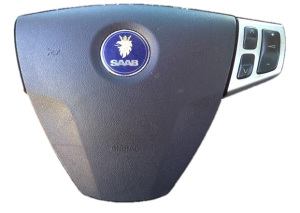
We Have This Part in Stock




The information in this article is provided for general reference and educational purposes only. Vehicle specifications, procedures, and part compatibility can vary by production date, trim level, and region. Always consult your vehicle's factory service manual and verify part numbers before purchasing or performing repairs. Safety-critical components such as airbags, seat belts, and braking systems should be installed by a qualified professional.
- Saab 9-3:
- 🛍️ Shop This Part
- Critical Safety Warning: Professional Installation is Mandatory
- Understanding the SRS Warning Light in Your Saab 9-3
- Common Issues and Recalls for 2003-2011 Saab 9-3 Airbags
- Most Common Fault: Loose or Corroded Under-Seat Connectors
- Faulty Passenger Seat Occupant Sensor
- NHTSA Recall 16V063000: Driver's Side Airbag Inflator Rupture Risk
- NHTSA Recall 14V318000: Convertible Seat Belt Retractor
- Buying a Used 2003-2011 Saab 9-3 Seat Airbag
- Cost Comparison for Passenger Seat Airbag Replacement
- Frequently Asked Questions (FAQ)
- 🎟️ Get 5% Off