

2007-2012 Mazda CX-7 Roof Assembly: Sunroof vs. Non-Sunroof Panels and Preventing Leaks
This guide clarifies the critical differences between sunroof and non-sunroof models and details what to inspect for rust and water damage before buying a used roof assembly.
- The most critical step is matching the part number to your vehicle: EGY1-70-600 for non-sunroof models and EGY2-70-600 for models with a sunroof.
- Water leaks are almost always caused by clogged sunroof drain tubes, not a bad roof panel. Cleaning these drains is essential maintenance.
- Replacement is a complex structural job for a professional body shop only, involving cutting, welding, and painting.
- When buying used, prioritize a rust-free panel from a dry climate and carefully inspect the edges of the sunroof opening for any signs of corrosion.
Variant Differences: Sunroof vs. Non-Sunroof Models
The most important factor when purchasing a replacement roof for a 2007-2012 Mazda CX-7 is the vehicle's sunroof configuration. The roof panels for models with a factory sunroof and those without are different and are not interchangeable. Installing the wrong panel will result in improper fitment and structural issues.
Always verify the correct part number before purchasing:
| Configuration | OEM Part Number | Notes |
|---|---|---|
| Without Sunroof | EGY1-70-600 | This is a solid, continuous roof panel. |
| With Factory Sunroof | EGY2-70-600 (or EGY270600) | This panel has a large, reinforced cutout for the sunroof cassette to be installed. |
Warning: Do not attempt to install a sunroof-equipped roof panel on a vehicle that did not originally have a sunroof. The underlying support structures are different, and doing so would compromise the vehicle's structural integrity.
Common Symptoms of a Damaged Roof Assembly
Unlike mechanical parts, a roof panel doesn't typically "fail" on its own. Damage is almost always caused by external factors. Here are the most common symptoms to watch for:
- Water Leaks: This is the most frequent complaint, especially on models with a sunroof. Water stains on the headliner, damp carpets, or visible drips from the map light or A-pillar trim are clear signs of a leak. 🎬 See how to find where water is entering your car On sunroof models, this is almost always caused by clogged drain tubes.
- Wind Noise: A whistling or roaring sound from the roof at highway speeds can indicate a damaged or misaligned panel, a bad sunroof seal, or failing windshield/rear window seals.
- Visible Rust or Corrosion: Rust can form anywhere the paint and protective coatings have been compromised by rock chips, scratches, or hail. On sunroof models, pay close attention to the edges of the sunroof opening, as trapped moisture from clogged drains can cause corrosion.
- Physical Damage: Dents, creases, or warping from accidents, falling objects, or hail are the most obvious reasons for replacement. Significant damage can compromise the vehicle's structural safety.
- Sagging Headliner: A sagging or detached headliner is often a secondary symptom of a water leak that has saturated the headliner's backing board.
Known Issues, Recalls, and TSBs
While there are no recalls or Technical Service Bulletins (TSBs) specifically for the roof panel of the 2007-2012 Mazda CX-7, there are related issues to be aware of:
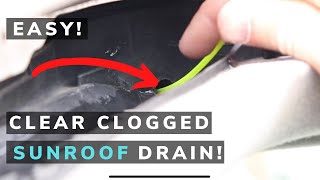
- Clogged Sunroof Drains: This is the primary known issue affecting the roof area. Sunroofs are not designed to be perfectly watertight; they have a tray that collects water and directs it to four drain tubes located in the corners of the sunroof frame. These tubes run down the vehicle's pillars and exit underneath the car. When they become clogged with leaves, dirt, and other debris, water backs up, overflows the tray, and leaks into the cabin. Regular cleaning of these drains is critical preventative maintenance. 🎬 Watch: How to unclog and clean your sunroof drains
- Suspension Corrosion Recall (NHTSA #16V593000): Mazda recalled approximately 190,000 CX-7s from 2007-2012 for an issue where water and road salt could enter the front suspension ball joints, causing corrosion and potential separation of the lower control arm. This could result in a loss of steering control. While not a roof issue, it highlights the model's susceptibility to corrosion in salt-belt states.
Buying a Used 2007-2012 CX-7 Roof Assembly: A Buyer's Checklist
A used OEM roof panel is often the most cost-effective solution for repair. Since aftermarket roof skins are rare and may have fitment issues, a quality recycled part is a smart choice. Here’s what to inspect before you buy:
- Confirm the Part Number: This is the most critical step. Get the part number (EGY1-70-600 for non-sunroof, EGY2-70-600 for sunroof) from the seller and ensure it matches your vehicle's configuration.
- Inspect for Rust Thoroughly: Check the entire surface for any signs of bubbling paint or surface rust. Pay special attention to the underside of the panel and the channel where the windshield and rear glass sit. On sunroof panels, the metal edges around the sunroof opening are the most vulnerable area.
- Check for Hidden Damage: Look for any signs of previous bodywork. Wavy reflections, inconsistent paint texture, or the presence of body filler (check with a small magnet) indicate a prior repair that may not have been done correctly.
- Examine for Dents and Creases: Minor dings can often be repaired by a body shop, but deep creases or extensive hail damage may make the panel unusable. Factor any needed repairs into the total cost.
- Assess the Cut Points: A roof panel is typically removed from a donor vehicle by cutting through the A, B, C, and D pillars. Ensure the salvage yard has left enough extra material on the pillars for your body shop to work with. Straight, clean cuts are a sign of a careful removal process.
Pro Tip: When possible, buy a roof panel from a vehicle that originated in a dry, southern state. These parts will have had far less exposure to road salt and are much less likely to have hidden corrosion issues.
Cost of Replacing a Mazda CX-7 Roof Assembly
Replacing a roof panel is a labor-intensive job that involves cutting, welding, and painting. The labor cost will almost always exceed the cost of the part itself.
| Item | Estimated Cost | Notes |
|---|---|---|
| New OEM Panel | $600 - $800 | This is for the bare metal panel only. |
| New Aftermarket Panel | Not Widely Available | Complete roof skins are not a common aftermarket part. |
| Used OEM Panel | $250 - $500 | Price varies based on condition and whether it includes the sunroof assembly. |
| Shop Labor | $1,500 - $3,000+ | Includes removal of old panel, welding new panel, prep, and paint. This is a rough estimate and can vary significantly. Headliner replacement, if needed, can add $300-$700. |
Installation Overview & Difficulty
- Difficulty Rating: 5 out of 5 (Professional Body Shop Only)
- DIY Feasible: No
Replacing a roof panel is a complex structural repair that should only be performed by a qualified auto body technician. The process involves:
- Removing all interior components that touch the roof: headliner, pillar trims, sun visors, map lights, and grab handles.
- Removing the front windshield and rear window glass.
- Carefully drilling out dozens of factory spot welds and cutting the pillars to remove the old roof skin.
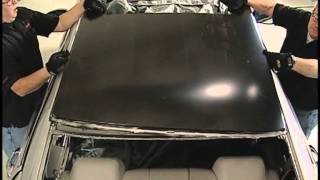
- Test-fitting the new panel, making adjustments, and welding it into place to factory specifications. 🎬 Watch: Professional roof panel installation and weld bonding
- Applying seam sealer to all joints to prevent water leaks.
- Performing bodywork, priming, and painting the new roof and blending the paint into the adjacent panels for a color match.
- Reinstalling the glass and all interior components.
Frequently Asked Questions (FAQ)
Can I just fix the leak in my sunroof instead of replacing the roof?
Yes, absolutely. In nearly all cases, a leaking sunroof on a CX-7 is caused by clogged drain tubes, not a faulty roof panel. These tubes can be cleared using compressed air or a flexible wire. This should always be the first step before considering any major repairs.
Is a little rust on a used roof panel a big deal?
It depends. Light surface rust on a painted surface can often be sanded away and properly sealed and painted by a body shop. However, rust that has caused pitting or is located in a seam or on the unpainted underside is a major red flag and could indicate deeper corrosion. It's best to find a panel with no rust.
Does a replacement roof assembly include the sunroof glass or headliner?
Typically, no. A new OEM roof panel is just the stamped sheet metal skin. A used roof assembly may or may not come with the sunroof cassette and glass, depending on how it was removed from the donor car. The headliner is always a separate part.
Will replacing the roof affect my car's value?
If the repair is done correctly by a professional body shop to factory standards, it should not significantly impact the value. However, a poorly done roof replacement with bad welds or mismatched paint will be obvious and will drastically lower the vehicle's resale value and could compromise its safety.
Helpful Videos
Technical Specifications
OEM Part Numbers: EGY1-70-600 EGY2-70-600 EGY270600
Material: Stamped Steel. Two variants exist: one for models with a factory sunroof and one for models without.
We Have This Part in Stock


The information in this article is provided for general reference and educational purposes only. Vehicle specifications, procedures, and part compatibility can vary by production date, trim level, and region. Always consult your vehicle's factory service manual and verify part numbers before purchasing or performing repairs. Safety-critical components such as airbags, seat belts, and braking systems should be installed by a qualified professional.
- Mazda CX-7:
- 🎬 Helpful Videos
- 🛍️ Shop This Part
- Variant Differences: Sunroof vs. Non-Sunroof Models
- Common Symptoms of a Damaged Roof Assembly
- Known Issues, Recalls, and TSBs
- Buying a Used 2007-2012 CX-7 Roof Assembly: A Buyer's Checklist
- Cost of Replacing a Mazda CX-7 Roof Assembly
- Installation Overview & Difficulty
- Frequently Asked Questions (FAQ)
- 🎟️ Get 5% Off