

2011-2016 Hyundai Equus Roof & Sunroof: Leaks, Rattles, and Replacement Guide
Diagnose common water leaks and panoramic sunroof problems in your Equus and learn what to look for when buying a used roof assembly.
- Complete roof panel replacement is a structural job requiring professional cutting and welding; it is not a DIY project.
- The vast majority of problems, such as water leaks and noises, are related to the panoramic sunroof mechanism and its drainage system, not the steel roof panel itself.
- Water leaks are most commonly caused by clogged sunroof drain tubes, which is a simple and inexpensive issue to fix.
- When buying a used roof assembly, thoroughly inspect it for hidden collision damage, rust, and creases to ensure it is structurally sound.
Symptoms of Roof and Sunroof Failure

Problems with the roof assembly on the 2011-2016 Equus almost always originate from the panoramic sunroof system. The steel roof panel itself is robust, and issues there typically only arise from collision damage or rust.
Water Leaks into the Cabin
This is the most common complaint. Water staining on the headliner, wet carpets (especially in the front footwells), or a musty smell are clear signs of a leak. Sunroofs are designed to allow some water past the main seal, which is then collected in a channel and diverted out of the car through drain tubes. When these tubes get clogged with leaves, dirt, or other debris, the water backs up and overflows into the cabin. 🎬 Watch this guide on common causes of cabin rain leaks In some cases, the drain tube can become disconnected from the sunroof cassette, causing water to leak directly onto the headliner.
Sunroof Rattling, Grinding, or Sticking
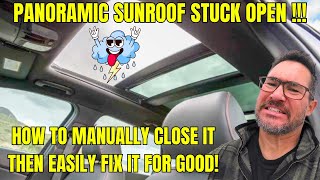
A variety of noises or operational problems can occur with the large panoramic sunroof. Owners report rattling sounds while driving or a loud grinding noise when trying to open or close the roof. These issues are often caused by dirt and debris in the tracks or a failure of the plastic guide rails that the sunroof mechanism slides on. Over time, the lubrication in the tracks can dry out, causing the motor to strain and the roof to stick. In some cases, a broken guide piece can jam the mechanism entirely, preventing the roof from closing.
🎬 Watch how to manually close a stuck panoramic sunroofWind Noise
Excessive wind noise from the roof area, especially at highway speeds, can indicate a problem with the sunroof's seals or alignment. A seal that has become loose, detached, or compressed over time can create a gap that allows air to rush in. Misalignment of the glass panel after a repair or due to a mechanical issue can also disrupt the seal and cause noise.
Visible Damage or Corrosion
Physical damage from hail, falling objects, or a collision can compromise the roof panel. More subtle is the development of rust, particularly around the sunroof opening or under the windshield and rear window seals. This should be addressed immediately to prevent it from spreading and weakening the structure.
Known Issues, Recalls, and Technical Service Bulletins (TSBs)

While the 2011-2016 Hyundai Equus has a few recalls, none are directly related to the roof panel or sunroof assembly. However, the panoramic sunroofs used across many Hyundai models of this era were the subject of a class-action lawsuit for spontaneously shattering, though the Equus was not specifically named in the final settlement. Most common problems are related to maintenance and wear.
- Clogged Sunroof Drains: This is the leading cause of water leaks. Debris blocks the small drain holes in the corners of the sunroof tray, causing water to back up and spill into the interior.
- Sunroof Mechanism Failure: Plastic guide rails and other moving parts within the sunroof track can break or wear out, leading to grinding noises and jamming.
- Sunroof Initialization: If the vehicle's battery is disconnected or goes dead, the sunroof's one-touch open/close and position memory may stop working correctly. The system must be reset.
Pro Tip: To reset the sunroof, close it completely. Then, push and hold the sunroof switch forward until the glass and sunshade cycle fully open and then closed. Do not release the switch until the entire operation is complete.
Buying a Used 2011-2016 Equus Roof Assembly

Since aftermarket companies do not produce entire roof assemblies, your only options are a new OEM part from a dealer or a used OEM part from a recycled vehicle. Given the high cost of a new roof, a quality used assembly is often the most practical choice.
Pre-Purchase Inspection Checklist
- Check for Rust: Carefully inspect the entire panel, paying close attention to the channels and seams around the sunroof opening. Check the front and rear edges where the roof meets the windshield and back glass. Minor surface rust can be treated, but deep or structural corrosion is a deal-breaker.
- Inspect for Hidden Damage: Look for any signs of collision repair. Check for ripples in the metal, inconsistent paint texture, or signs of body filler (a magnet will not stick to areas with thick filler). Sight down the length of the panel to spot any subtle bends or creases.
- Verify Sunroof Integrity: If the assembly includes the sunroof, check that the glass is not cracked and that the tracks and visible mechanisms appear intact and free of damage.
- Confirm Part Number and Options: Ensure the part number matches what is required for your vehicle. The primary part number for the roof panel with a sunroof is 67110-3N030.
Replacement and Installation
Warning: Replacing a roof assembly is a complex, structural repair that requires specialized tools and training. This is not a DIY job. The old roof must be precisely cut off the vehicle's pillars, and the replacement panel must be welded in place according to manufacturer procedures to ensure the vehicle's structural integrity and safety. This work should only be performed by a professional auto body or collision repair facility.
Installation Difficulty: 5/5 (Professional Only)
- DIY Feasible: No
- Estimated Time: 20-40 hours
The process involves removing the front and rear glass, all interior trim including the headliner and pillar covers, and then cutting the A, B, and C pillars. The new panel is then fitted, welded, sealed, and painted. This is a major undertaking that directly impacts the vehicle's safety systems and crash performance.
Cost of a 2011-2016 Hyundai Equus Roof Assembly
The cost to fix a roof issue depends heavily on the problem. Cleaning clogged drains or lubricating tracks is inexpensive. Replacing a motor or glass panel is more involved. A full roof panel replacement is a major expense reserved for severe collision or corrosion damage.
| Part/Service | Estimated Cost |
|---|---|
| New OEM Roof Assembly (Panel Only) | $4,300 - $6,400 |
| Used OEM Roof Assembly | $500 - $1,500+ (depending on condition and included parts) |
| New OEM Sunroof Glass Panel | $220 - $400 |
| New OEM Sunroof Motor | $65 - $80 |
| Shop Labor (Full Replacement) | $2,000 - $5,000+ |
Frequently Asked Questions (FAQ)
My sunroof is leaking. Do I need a whole new roof?
Almost certainly not. 99% of sunroof leaks are caused by clogged drain tubes. These tubes run from the corners of the sunroof frame down through the car's pillars and are designed to channel water out. When they get clogged with debris, water backs up and spills onto the headliner. Cleaning these drains with compressed air or a flexible trimmer line usually solves the problem.
🎬 See how to clean clogged sunroof drains yourselfCan I just replace the sunroof glass if it's cracked?
Yes, the sunroof glass panel can be replaced independently of the entire assembly. You will need to remove some interior trim to access the bolts that secure the glass to the regulator mechanism.
My sunroof makes a grinding noise but still works. What should I do?
A grinding noise often indicates that the tracks are dirty or that a plastic guide piece has broken. It's best to stop using the sunroof immediately to avoid further damage. The tracks should be thoroughly cleaned and lubricated with a quality white lithium grease. If a guide is broken, the sunroof assembly will likely need to be partially disassembled to replace it.
Is it safe to buy a used roof from a car that was in an accident?
It depends entirely on where the donor car was hit. If the car had front or rear damage but the roof area is untouched, it can be a perfectly good part. However, if the donor car suffered a side impact or rollover, the roof panel may have hidden structural stress or damage. Always inspect a used panel carefully for any signs of repair, creasing, or distortion before purchasing.
Helpful Videos
Technical Specifications
OEM Part Numbers: 67110-3N030 671103N030 81600-3N110-SH
Steel roof panel with integrated panoramic sunroof assembly.

The information in this article is provided for general reference and educational purposes only. Vehicle specifications, procedures, and part compatibility can vary by production date, trim level, and region. Always consult your vehicle's factory service manual and verify part numbers before purchasing or performing repairs. Safety-critical components such as airbags, seat belts, and braking systems should be installed by a qualified professional.
- Hyundai Equus:
- 🎬 Helpful Videos
- Symptoms of Roof and Sunroof Failure
- Water Leaks into the Cabin
- Sunroof Rattling, Grinding, or Sticking
- Wind Noise
- Visible Damage or Corrosion
- Known Issues, Recalls, and Technical Service Bulletins (TSBs)
- Buying a Used 2011-2016 Equus Roof Assembly
- Pre-Purchase Inspection Checklist
- Replacement and Installation
- Installation Difficulty: 5/5 (Professional Only)
- Cost of a 2011-2016 Hyundai Equus Roof Assembly
- Frequently Asked Questions (FAQ)
- 🎟️ Get 5% Off