

2008-2014 Dodge Challenger Roof Panel: Damage, Leaks, and Replacement
A detailed guide to inspecting, diagnosing, and replacing the non-sunroof roof panel on your 2008-2014 Dodge Challenger.
- This roof panel is ONLY for 2008-2014 Dodge Challengers without a sunroof; it is not interchangeable.
- Replacement is a major structural job requiring professional cutting, welding, and painting; it is NOT a DIY project.
- When buying a used panel, inspect it meticulously for hidden rust, creases, and damage to the underside support braces.
- Water leaks are often caused by aging windshield seals, not the roof panel itself. Diagnose carefully before ordering parts.
Symptoms of a Damaged Roof Panel
Damage to a roof panel isn't always obvious. Beyond major collision damage, there are several subtle signs that can indicate a problem requiring attention.
Visible Damage (Dents, Dings, and Waves)
The large, relatively flat surface of the Challenger's roof can be susceptible to dents from hail, falling debris, or even leaning on it improperly. Look for waves or ripples in the panel, which can indicate stretched metal or previous, poor-quality repairs. This type of damage is primarily cosmetic but can lead to wind noise if it affects the panel's aerodynamics.
Rust and Paint Bubbling
Rust is a significant concern, especially on vehicles from snowbelt regions. While Challengers are known for potential rust in the rocker panels and wheelhouses due to moisture-trapping foam, the roof can also be affected. Inspect the seams where the roof meets the quarter panels (the 'sail panels') and along the channels for the front and rear windshields. Bubbling paint is a tell-tale sign of underlying rust.
Water Leaks
Water entering the cabin is a serious issue that can lead to mold, mildew, and electrical problems. While many owners associate leaks with sunroofs, even hardtop models can leak. A leak doesn't always mean the roof panel itself has failed. Common sources include:
- Deteriorated Windshield or Rear Window Seals: 🎬 See: How to find and repair a leaking windshield The urethane adhesive holding the glass in place can degrade over time, creating channels for water to enter.
- Failed Seam Sealer: The factory sealer in the channels running along the sides of the roof can crack and fail, allowing water underneath the paint and into the cabin.
Wind Noise
Excessive wind noise from the top of the car, often described as a hissing or whistling sound at highway speeds, can point to a sealing issue. This could be related to a poor seal around the windshield or a dent/deformity in the roof panel that disrupts airflow.
Pro Tip: Before assuming the roof panel is the source of a leak, thoroughly check the windshield and rear window seals. A simple water test with a hose (not a pressure washer) while an assistant watches from inside can help pinpoint the exact entry point.
Known Issues, TSBs, and Recalls
As of this writing, there are no specific recalls or widespread Technical Service Bulletins (TSBs) from the NHTSA directly concerning the structural integrity or failure of the non-sunroof roof panel itself for the 2008-2014 Dodge Challenger. Most recalls for this generation involve airbags, alternators, or fuel system components.
However, owners on forums frequently discuss two related topics:
- Sunroof Drain Issues: On models equipped with a sunroof, clogged or improperly routed drain tubes are a very common source of water leaks. This is not applicable to the solid roof panel but is a major source of confusion when diagnosing leaks.
- Rocker Panel/Wheelhouse Rust: A well-documented issue involves sound-deadening foam inside the lower body panels trapping moisture and causing rust from the inside out. While not part of the roof, it's a critical inspection point for any buyer of a used Challenger from this era.
Buying a Used 2008-2014 Challenger Roof Assembly
Since replacing a roof is a major undertaking, purchasing a high-quality, damage-free used OEM panel is critical. Aftermarket roof skins are not common and often have fitment issues. Here’s what to inspect before you buy.
Warning: This roof panel is ONLY for models WITHOUT a sunroof. The structural bracing and the panel itself are completely different from sunroof-equipped cars and cannot be interchanged.
Physical Inspection Checklist:
- Confirm No Sunroof Cutout: This is the most basic and important check. Ensure you are buying a solid panel.
- Inspect for Dents and Creases: Run your hand over the entire surface. Even minor dents can be costly to repair properly. Pay special attention to the curved areas near the edges, as damage here is harder to fix. A crease or sharp bend in the metal means the panel's structure is compromised and should be rejected.
- Check for Rust (Top and Bottom): Flip the panel over. Surface rust on the underside is a major red flag, as it indicates the panel may have been stored improperly or removed from a car with existing water issues. Check all edges and seams for any sign of bubbling or flaking paint.
- Examine the Edges: The panel is removed by drilling out hundreds of spot welds. Look at the flange where the welds were. Ensure it is not torn, bent, or excessively damaged from the removal process. A clean removal makes for a much easier and stronger installation.
- Verify Structural Braces: The underside of the roof has several reinforcing braces. Make sure they are present, straight, and solidly attached. A panel that has been cut from a car involved in a rollover may have damaged braces.
Replacement Cost & Difficulty
Installation: Not a DIY Job
Difficulty Rating: 5 out of 5. Replacing a roof panel is a complex and labor-intensive job that should only be performed by a professional auto body technician. It is not a bolt-on part. The process involves:
- Removing the front and rear windshields.
- Removing the interior headliner and trim.
- Drilling out dozens, sometimes hundreds, of factory spot welds to separate the old panel from the car's structure.
- Precisely fitting the replacement panel.
- Welding the new panel in place, mimicking factory welds to maintain structural integrity. 🎬 Watch: Professional roof panel replacement and welding walkthrough
- Grinding welds, applying seam sealer, and performing extensive bodywork to create a seamless finish.
- Priming and painting the new roof and blending the paint into adjacent panels.
Warning: Improper installation can compromise the vehicle's structural safety, lead to persistent leaks, and significantly decrease its value. This is not a task for an amateur mechanic.
Cost Breakdown
The cost can vary significantly based on local labor rates and the condition of the used panel. Aftermarket options for a full roof skin are generally not available or recommended.
| Part/Service | Estimated Cost |
|---|---|
| New OEM Panel | $1,200 - $1,800+ |
| Used OEM Panel | $500 - $800 |
| Shop Labor (Installation & Painting) | $2,000 - $4,000+ |
Labor costs are high due to the estimated 15-25 hours of skilled bodywork required.
OEM Part Numbers
The roof panel for the non-sunroof Challenger has had several part numbers over the years due to supersessions. Always verify fitment with the seller using your vehicle's VIN.
- 68660733AA (latest number)
- 68293030ab
- 68293030aa
- 68175502aa
- 05112795AB
- 05112795AA
Part number 68660733AA is listed as replacing all the previous numbers for non-sunroof models from 2008-2023.
Frequently Asked Questions (FAQ)
Can I just repair the rust spots on my roof instead of replacing the whole panel?
For minor surface rust or small bubbles, a professional body shop can often grind down the affected area, treat the metal, and repaint the section. However, if the rust has perforated the metal or is widespread along a seam, replacement is often the only permanent solution.
Does this roof panel fit a Dodge Charger or Chrysler 300?
No. While the Challenger shares its underlying platform with the Charger and 300, the roofline and body panels are unique. This roof panel is specific to the 2008-2014 Dodge Challenger.
My car has a sunroof. Can I use this panel to delete it?
While technically possible, it is an extremely complex conversion. It would require not only this roof skin but also the correct internal support braces from a non-sunroof car, a new headliner, and extensive custom fabrication. It is generally not considered a practical or cost-effective modification.
Why is professional welding so important for this part?
The roof is a key part of the car's safety cage. Professional welders use specific techniques (like stitch welding and plug welds) to replicate the factory's strength. Improper welding can create weak spots that may fail in an accident, and the heat generated can warp the large, thin panel, making a smooth finish impossible to achieve.
Helpful Videos
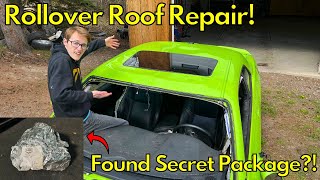
Technical Specifications
OEM Part Numbers: 05112795AA 05112795AB 5112795aa 5112795AB 68043385AA 68175502aa 68293030aa 68293030ab 68660733AA
Material: Steel. Application: For models without sunroof only.
We Have This Part in Stock


The information in this article is provided for general reference and educational purposes only. Vehicle specifications, procedures, and part compatibility can vary by production date, trim level, and region. Always consult your vehicle's factory service manual and verify part numbers before purchasing or performing repairs. Safety-critical components such as airbags, seat belts, and braking systems should be installed by a qualified professional.
- Dodge Challenger:
- 🎬 Helpful Videos
- 🛍️ Shop This Part
- Symptoms of a Damaged Roof Panel
- Visible Damage (Dents, Dings, and Waves)
- Rust and Paint Bubbling
- Water Leaks
- Wind Noise
- Known Issues, TSBs, and Recalls
- Buying a Used 2008-2014 Challenger Roof Assembly
- Physical Inspection Checklist:
- Replacement Cost & Difficulty
- Installation: Not a DIY Job
- Cost Breakdown
- OEM Part Numbers
- Frequently Asked Questions (FAQ)
- 🎟️ Get 5% Off