

2014-2024 Jaguar F-TYPE Rocker Panel & Side Skirts: Decoding Styles, Fitment, and Damage
Your guide to the different F-TYPE side skirt styles, Coupe vs. Convertible compatibility, and what to check when buying a used replacement.
- Coupe and Convertible rocker panels are generally NOT interchangeable; always buy for your specific body style.
- Higher trims like R-Dynamic and SVR use more aggressive 'blade' style sills that are not a direct swap for base model panels.
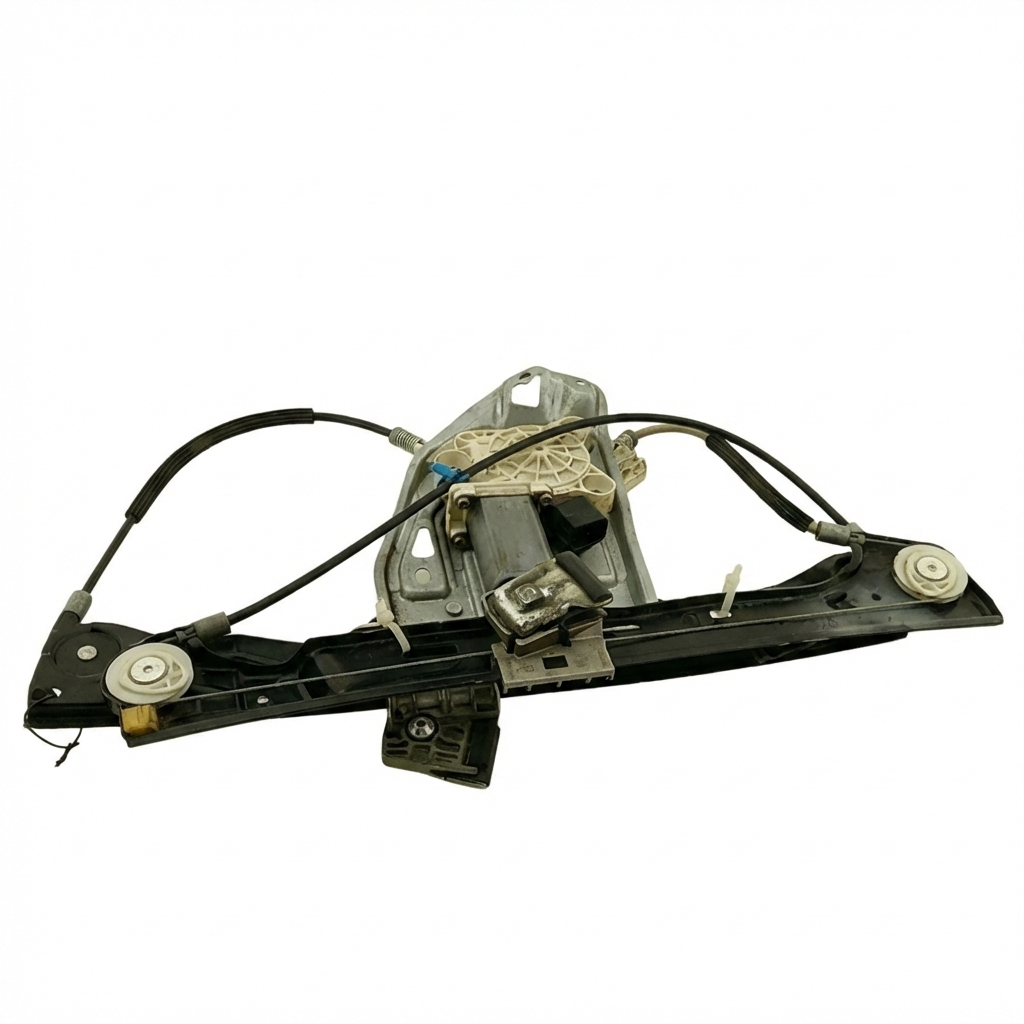
- These parts have NO motor. Part numbers are commonly confused with window regulators, which do have motors.
- When buying used, prioritize the integrity of the mounting tabs on the back of the panel over minor cosmetic scuffs on the front.
Key Versions and Compatibility Warnings
Before purchasing a replacement rocker panel molding for a 2014-2024 Jaguar F-TYPE, it's critical to understand the key variations. Buying the wrong part is a common and costly mistake. The main differences are between body styles and trim packages.
Myth Buster: There is NO Motor. Some part databases incorrectly associate these rocker panels with a motor. This is an error. The F-TYPE's rocker panels are static, non-moving trim pieces. The confusion often arises because part numbers for window regulators (which do have motors), like EX5323200AD, are sometimes mixed up with body panel part numbers. Your rocker panel molding does not have a motor.
Coupe vs. Convertible: Not Interchangeable
Despite looking similar, the rocker panel moldings for the F-TYPE Coupe and Convertible models are often different and should not be considered interchangeable. Part listings from Jaguar dealers specify different part numbers for Coupe and Convertible models for many years and trims. Always confirm that the part you are buying is explicitly listed for your vehicle's specific body style. Using a VIN to verify the part number with a dealer is the safest approach.
Trim Packages: Standard vs. Aero 'Blade' Sills
Jaguar offered different side skirt styles depending on the trim level and model year. This is the most significant visual difference you will encounter.
- Standard/Base Models: These vehicles typically feature a more conservative, flatter rocker panel molding that sits flush with the bodywork. Some owners prefer this sleeker, less aggressive look.
- R-Dynamic, R, and SVR Models: These higher-performance trims are equipped with extended side sills, often called 'blades' or 'aero sills'. These protrude further from the body, providing a more aggressive look and a minor aerodynamic effect. These sills are often finished in gloss black or carbon fiber.
Upgrading from a standard molding to an R-Dynamic or SVR 'blade' style is not always a simple swap. On some models, the rocker panel and the extended sill are a two-piece assembly that bolts together. On others, particularly later SVR models, the entire rocker panel and sill may be a single molded piece. If you are looking to upgrade, you may need more than just the outer sill itself. Researching forum discussions for your specific model year is highly recommended.
Symptoms of a Failing Rocker Panel Molding
Failure of a rocker panel molding is almost always due to physical damage or deterioration of its mounting hardware.
- Visible Cracks, Scuffs, or Gouges: This is the most common issue, usually caused by impact with a curb, speed bump, or road debris.
- Loose Fitment or Rattling: Over time, the plastic clips and rivets that hold the molding to the car can break or degrade. This can cause the panel to become loose, creating rattling or vibrating noises, especially at high speeds.
- Poor Alignment or Gaps: A loose or improperly installed panel will have uneven gaps between it and the body of the car, which can affect aesthetics and allow dirt and moisture to become trapped behind it.
Buying a Used 2014-2024 F-TYPE Rocker Panel Molding
A used OEM rocker panel can be an excellent value, offering the same fit and quality as a new part for a fraction of the price. However, careful inspection is key.
- Inspect All Mounting Points: This is the most critical check. Turn the panel over and carefully inspect every mounting tab, clip hole, and bracket. A panel that looks perfect on the outside is useless if its mounting points are cracked or broken off. Replacing clips is easy, but a broken tab on the panel itself is much harder to fix reliably.
- Check for Cracks and Repairs: Look for hairline cracks, especially around the ends and along the bottom edge. Also, check for signs of previous repair, such as plastic welding or epoxy, which may not hold up over time.
- Verify the Exact Part Number: Given the variations, do not buy a used part based on looks alone. Match the OEM part number from your existing panel or have a dealer verify the correct number for your VIN. Part numbers are typically stamped on the inside of the molding.
- Consider the Finish: Rocker panels come primed, painted in body color, or finished in gloss black. Unless you find a part from a vehicle with the exact same paint code, plan on having the used part professionally prepped and painted to match your car.
Pro Tip: When removing the old panel, you will likely break some of the plastic retaining clips. It's wise to order a bag of new clips and rivets before you begin the installation of the replacement part.
Cost Comparison for F-TYPE Rocker Panel Molding (Per Side)
| Part Type | Estimated Cost |
|---|---|
| New OEM | $450 - $900 |
| Used OEM | $150 - $400 |
| New Aftermarket | Rare / Varies (Typically part of full body kits) |
| Shop Labor (Installation & Painting) | $400 - $800 |
Note: Prices are estimates and can vary based on trim level, supplier, and vehicle condition. Painting costs can significantly increase the total.
Replacement Overview (Difficulty: 3/5)
Replacing the rocker panel molding is feasible for a DIYer with some experience, but it can be tricky. Forum users often describe it as a tedious job. The process generally involves:
- Lifting the side of the vehicle for access.
- Removing several screws and plastic rivets from the underside of the car and inside the front and rear wheel wells.
- Carefully prying the top edge of the molding away from the body to release a series of hidden plastic clips. This step requires patience and trim removal tools to avoid scratching the paint or breaking the clips.
- Once all fasteners and clips are released, the panel can be removed.
- Installation is the reverse of removal, ensuring all clips are properly seated before installing the screws and rivets.
The job typically takes 1.5 to 2.5 hours per side for someone who has done it before. Expect to spend more time on your first attempt.
Frequently Asked Questions (FAQ)
Will a rocker panel from an F-TYPE Coupe fit my Convertible?
No, this is not recommended. Part catalogs show different part numbers for Coupe and Convertible models, indicating differences in length or mounting points. You must buy the part specific to your body style.
Can I upgrade my base model to the more aggressive R-Dynamic side skirts?
It can be a complex job. On some cars, the extended 'blade' is a separate piece that bolts onto the main rocker panel. On others, it's a single integrated unit. You may need to replace the entire rocker assembly. Research your specific model year on enthusiast forums to see what is required before purchasing parts.
My used rocker panel has a small crack. Can it be repaired?
Yes, minor cracks in these plastic panels can often be repaired by a professional body shop using plastic welding techniques. However, for severe cracks or damage to mounting points, replacement is the more reliable and often more cost-effective solution.
Do I need to paint a replacement rocker panel?
Almost always, yes. New OEM parts typically come primed and require painting. Used parts, even if they are the same color, may not be a perfect match due to fading or paint batch variations. For a perfect match, budget for professional painting.
Verified OEM Part Numbers
The F-TYPE has many rocker panel part numbers depending on year, trim, and body style. The list below contains some known valid numbers, but it is not exhaustive. Always verify with your VIN.
| Part Number | Description |
|---|---|
| T2R45258 | Left, Coupe/Convertible, without finish panel |
| T2R11988 | Right, Trim Insert/Finish Panel, Primed |
| T2R11989 | Left, Trim Insert/Finish Panel, Primed |
| T2R61219 | Left, Coupe/Convertible, Gloss Black (From VIN K19818) |
| T2R12770LML | Rocker Molding |
| T2R3969 | Left, Rocker Panel Bracket |
Note: This list is for reference only. Part numbers can be superseded. EX53- and GX63- prefixes often correspond to other components like window regulators or brackets, not the main molding itself.
Technical Specifications
OEM Part Numbers: T2R45258 T2R11988 T2R11989 T2R61219 T2R12770LML T2R3969 T2R10392 T2R10396 T2R54087
Material: Automotive-grade ABS Plastic or composite. Finish: Varies by trim - Primed, Gloss Black, or Body Color.
We Have This Part in Stock

The information in this article is provided for general reference and educational purposes only. Vehicle specifications, procedures, and part compatibility can vary by production date, trim level, and region. Always consult your vehicle's factory service manual and verify part numbers before purchasing or performing repairs. Safety-critical components such as airbags, seat belts, and braking systems should be installed by a qualified professional.
- Jaguar F-TYPE:
- 🛍️ Shop This Part
- Key Versions and Compatibility Warnings
- Coupe vs. Convertible: Not Interchangeable
- Trim Packages: Standard vs. Aero 'Blade' Sills
- Symptoms of a Failing Rocker Panel Molding
- Buying a Used 2014-2024 F-TYPE Rocker Panel Molding
- Cost Comparison for F-TYPE Rocker Panel Molding (Per Side)
- Replacement Overview (Difficulty: 3/5)
- Frequently Asked Questions (FAQ)
- Verified OEM Part Numbers
- 🎟️ Get 5% Off