

2017-2025 Tesla Model 3 Rear Window: Spontaneous Cracks and Replacement Guide
This guide covers the common causes of stress fractures in Model 3 rear glass and highlights the critical differences between 2017-2023 and 2024+ 'Highland' models.
- There are two incompatible versions: one for 2017-2023 models and a different acoustic glass version for 2024+ 'Highland' models.
- Spontaneous stress cracks are a common problem, often linked to thermal stress from the defroster, and are not always covered by warranty.
- When buying used, meticulously inspect the edges for chips and verify the defroster grid and its electrical connectors are intact.
- Replacement is not a DIY job and should be performed by a professional glass installer experienced with Teslas.
Key Differences: 2017-2023 vs. 2024+ 'Highland' Models

The most critical factor when replacing a Tesla Model 3 rear window is identifying the correct generation for your vehicle. There are two major versions that are not interchangeable.
- 2017-2023 Models: This is the first generation of the rear glass. It is a single-pane laminated glass panel that includes the defroster and antenna elements. Several part numbers may service these years, including 1472925-00-A and 1083204-00-F.
- 2024-2025 'Highland' Models: The refreshed 'Highland' Model 3, introduced for the 2024 model year, features significant changes. The rear glass is now dual-pane acoustic glass, designed to reduce cabin noise. The shape and size were also altered to fit the redesigned trunk lid. A known part number for this version is 1770888-00-C.
Warning: The glass for 2017-2023 models and 2024+ 'Highland' models are not interchangeable. You must purchase the correct glass for your vehicle's model year to ensure proper fit and function.
Known Issues and Symptoms of Failure

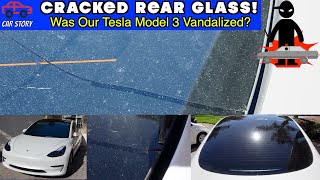
The most widely reported issue with the Model 3's rear glass is spontaneous cracking or shattering. 🎬 Watch: One owner's experience with a spontaneous rear glass failure. This is often not caused by an impact from an object.
Spontaneous Cracking or Shattering
Owners often report hearing a loud "pop" or "bang" while driving or while the car is parked, only to discover the rear window has developed a large crack or completely shattered. The crack often appears without any obvious point of impact and can start near the edge of the glass or along a defroster line. In many cases, the crack is internal to the laminated glass, meaning you cannot feel it on the surface.
Potential causes for these stress fractures include:
- Thermal Stress: Rapid temperature changes, such as using the rear defroster on a very cold day, can create stress within the glass, leading to a crack. This is a common scenario reported by owners.
- Body Flex/Torsional Stress: Some theories suggest that minor misalignments in the vehicle's frame or body, a known quality control issue in some production years, can put constant pressure on the large, structural glass panel, eventually causing it to fail.
- Manufacturing Defects: Microscopic imperfections in the glass itself can create weak points that may fail over time under normal stress.
Defroster Grid Failure
A less dramatic but common issue is the failure of the rear defroster. This can be caused by breaks in the delicate grid lines printed on the glass. This is often a result of physical damage, such as scraping the inside of the glass or damage during window tint installation. In some cases, owners have reported a defroster line appearing to burn out, which sometimes precedes a stress crack.
Pro Tip: If you experience a stress fracture, document the condition with clear photos showing the lack of an impact point. This may be helpful when discussing a warranty claim with Tesla, although coverage is not guaranteed and is often disputed.
Buying a Used Rear Window Glass

Given the high cost of a new OEM part, a used rear window from a reputable recycler is an excellent value. However, careful inspection is crucial.
- Verify the Generation: First, confirm you are buying for the correct year range (2017-2023 or 2024+). The easiest way to tell a 2024+ 'Highland' glass is to look at the edge; it will be noticeably thicker as it is dual-pane acoustic glass.
- Inspect for Edge Chips: Carefully run your finger along all edges of the glass. Even a small chip or 'flea bite' on the edge can become a large crack once installed and subjected to body flex and temperature changes. Reject any glass with edge damage.
- Check the Defroster Grid and Connectors: Inspect the entire surface of the defroster grid for any scratches or breaks in the orange lines. Most importantly, check the areas where the main electrical tabs are bonded to the glass. This connection is fragile and can be damaged when the glass is removed from the donor vehicle. If the tabs are broken or peeling, the defroster will not work.
- Look for Delamination: Laminated glass can sometimes delaminate, where the layers begin to separate, often starting at an edge. This looks like a milky or bubbly area. Do not purchase glass with any signs of delamination.
- Ignore Minor Scratches: Minor surface scratches on the main body of the glass are usually cosmetic and will not affect its integrity. Focus your inspection on the edges and the defroster grid.
Cost Comparison
Replacing a Model 3 rear window is expensive due to the size and complexity of the part. Here are typical cost ranges:
| Item | Estimated Cost |
|---|---|
| New OEM (from Tesla) | $900 - $1,300 (installed) |
| New Aftermarket | $950 - $1,600 (part only) |
| Used OEM | $450 - $700 (part only) |
| Shop Labor (Glass Specialist) | $300 - $500 |
Replacement Difficulty: 5/5 (Professional Recommended)

Replacing the rear window on a Tesla Model 3 is not a DIY-friendly job. It is a large, heavy, and structurally significant piece of bonded glass. The process requires specialized tools to cut the old urethane adhesive without damaging the paint or body, proper surface preparation, and precise application of new urethane to prevent leaks and wind noise. Improper installation can lead to catastrophic failure, water leaks that damage interior electronics, or stress cracks. One owner on a forum noted that even a Tesla Service Center required three attempts to get the alignment and weather stripping right. This job should be left to professional auto glass technicians who have experience with Teslas.
Recalls and Technical Service Bulletins (TSBs)
As of early 2026, there are no specific recalls or TSBs from Tesla or NHTSA for spontaneous rear glass cracking. Issues are typically handled on a case-by-case basis under the vehicle's warranty. NHTSA recall 22V-702 was issued for the automatic reversal system on the side door windows, not the fixed rear glass.
Frequently Asked Questions (FAQ)
Will Tesla cover a stress crack under warranty?
Maybe. Coverage is inconsistent and often depends on the service center and whether they believe the crack was truly spontaneous. If a technician finds any evidence of an impact, the claim will almost certainly be denied. Owners have had mixed success, with some getting it covered and others being forced to pay for the replacement or file an insurance claim.
Does window tint cause the rear glass to crack?
It's a contentious topic. Some tint shops and owners believe that dark, heat-absorbing tint films can increase thermal stress on the glass, especially when the defroster is used, contributing to cracks. Tesla has been known to deny warranty claims if the window was tinted. If you choose to tint your rear window, consider using a high-quality ceramic tint that reflects heat rather than absorbing it.
Can I drive my car with a cracked rear window?
If it is a simple crack, it is generally safe to drive for a short period, but you should get it replaced as soon as possible. The crack can spread and compromise the structural integrity of the glass. If the glass has shattered (even if it's being held together by the laminate), it is not safe to drive. The panel could dislodge or collapse, and visibility is dangerously impaired.
Should I use Tesla Service or a third-party glass shop like Safelite?
Both are valid options. Tesla Service will use OEM glass, but scheduling can sometimes be slow. Shops like Safelite often use OEM glass sourced directly from Tesla and may offer faster service. Pricing can be competitive, with some owners reporting that Tesla was slightly cheaper than Safelite for the same job. The most important factor is choosing an installer with experience working on Teslas, as the procedure is more complex than on many other vehicles.
Helpful Videos
Technical Specifications
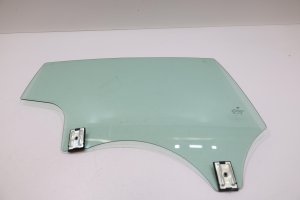
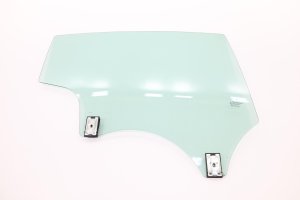
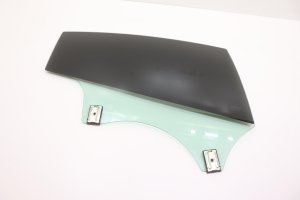
OEM Part Numbers: 1472925-00-A 1083204-00-F 1770888-00-C
Laminated safety glass with integrated defroster grid and antennas. 2024+ models use dual-pane acoustic glass.
We Have This Part in Stock
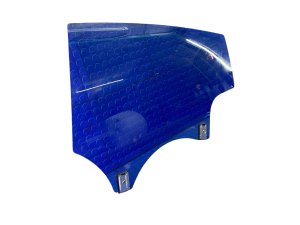
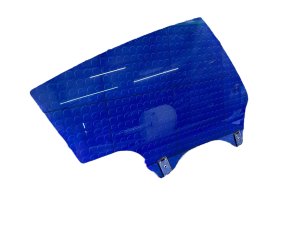

The information in this article is provided for general reference and educational purposes only. Vehicle specifications, procedures, and part compatibility can vary by production date, trim level, and region. Always consult your vehicle's factory service manual and verify part numbers before purchasing or performing repairs. Safety-critical components such as airbags, seat belts, and braking systems should be installed by a qualified professional.
- Tesla Model 3:
- 🎬 Helpful Videos
- 🛍️ Shop This Part
- Key Differences: 2017-2023 vs. 2024+ 'Highland' Models
- Known Issues and Symptoms of Failure
- Spontaneous Cracking or Shattering
- Defroster Grid Failure
- Buying a Used Rear Window Glass
- Cost Comparison
- Replacement Difficulty: 5/5 (Professional Recommended)
- Recalls and Technical Service Bulletins (TSBs)
- Frequently Asked Questions (FAQ)
- 🎟️ Get 5% Off