

1984-1991 Eagle Vista Rear Window Glass: A Guide to Body Styles & Defrosters
This guide clarifies the critical differences between sedan, hatchback, and wagon rear glass for the 1984-1991 Eagle Vista and its rebadged siblings, ensuring you buy the correct part.
- Compatibility is critical: The rear glass is different for sedan, hatchback, and wagon body styles and is not interchangeable.
- The 1984-1991 range spans two vehicle generations (pre-1989 and 1989-onward); glass is not likely to swap between them.
- When buying used, thoroughly inspect the defroster grid lines and electrical tabs for damage, as this is the most common failure point besides breakage.
- Replacement requires specialized tools to cut the old urethane seal and is not recommended for beginners.
Critical Compatibility Warning: Identify Your Vehicle Correctly
Warning: The 1984-1991 Eagle Vista was sold in three distinct body styles: 4-door sedan, 3-door hatchback, and 5-door wagon. The rear window glass is NOT interchangeable between these body styles. You must confirm your vehicle's body style before purchasing a replacement.
Further complicating matters, the Eagle Vista is a rebadged version of the Mitsubishi Mirage (also sold as the Dodge/Plymouth Colt and Eagle Summit). The 1984-1991 model years span two different vehicle generations:
- 1984-1988: Based on the second-generation Mitsubishi Mirage.
- 1989-1991: Based on the third-generation Mitsubishi Mirage.
Glass is generally not interchangeable between these generations, even for the same body style. Always verify the part number and match it to your specific year and body style.
"Rear Window Glass" vs. "Rear Door Glass"
Be aware of the terminology. "Rear Window Glass" refers to the large, stationary glass at the very back of the vehicle (the backlite). "Rear Door Glass" refers to the smaller, typically movable glass within the rear passenger doors. This guide focuses on the main Rear Window Glass.
🎬 Watch: How to remove rear quarter glass windowsSymptoms of Failure
Aside from obvious breakage from impact or accident, rear window glass can exhibit other signs of failure.
1. Defroster Not Working
The most common failure is a non-functional rear defroster. This can happen in a few ways:
- Complete Failure: The defroster does not work at all, and the indicator light on the dashboard switch may not illuminate. This often points to a blown fuse, a bad relay, or a faulty switch.
- Partial Failure: Only some of the horizontal lines on the grid heat up, leaving patches of fog or frost on the window. This is usually caused by a physical break in one or more of the grid lines on the glass itself.
- Tab Damage: The main electrical tabs that connect the vehicle's wiring to the grid can become detached from the glass, cutting power to the entire system.
2. Water Leaks
A failing urethane seal or rubber gasket around the glass can allow water to leak into the trunk or cabin area. This can lead to musty odors, mold growth, and water damage to the interior.
3. Glass Delamination or Discoloration
On older vehicles, the layers of the glass or any factory tint can begin to separate, causing a milky or distorted appearance, typically around the edges.
Buying a Used Rear Window Glass: What to Check
For a vehicle of this age, a used OEM part is often the only viable option, as new stock is virtually non-existent. Here’s what to inspect before you buy:
- Confirm Body Style and Year Range: This is the most critical step. A sedan glass will not fit a hatchback or wagon. Double-check the donor vehicle's year to ensure it matches your generation (1984-1988 or 1989-1991).
- Inspect the Defroster Grid: Carefully examine the thin horizontal lines of the defroster grid. Look for any scratches, breaks, or areas where the lines have been scraped off. A single break can render that entire line useless.
- Check the Electrical Tabs: Ensure the main power tabs for the defroster are securely attached to the glass. Re-attaching these is difficult and often fails.
- Look for Scratches and Pitting: Hold the glass up to the light and check for deep scratches or significant pitting that could impair visibility. Minor surface scuffs are normal for a used part.
- Verify Tint: Some models came with a slight factory tint. Compare the used glass to your other windows to ensure it matches.
- Ask About the Seal: The urethane adhesive or rubber gasket used to install the window is a one-time-use part. You will need to purchase a new seal for proper installation. Do not attempt to reuse the old one.
Pro Tip: You can test the continuity of each defroster grid line with a multimeter. Set the multimeter to the resistance (Ohms) setting. Place one probe on the main power tab on one side of the glass and touch the other probe to the end of each individual grid line on the opposite side. A continuous line will show a low resistance reading, while a broken line will show infinite resistance (an open circuit).
Known Issues, TSBs, and Recalls
Searches of the National Highway Traffic Safety Administration (NHTSA) database and other sources did not reveal any specific recalls or Technical Service Bulletins (TSBs) for the rear window glass of the 1984-1991 Eagle Vista or its Mitsubishi counterparts. Most issues are related to age, such as defroster failure or seal degradation.
Cost of Replacement
Replacement costs can vary significantly based on location and availability.
| Part/Service | Estimated Cost |
|---|---|
| New OEM | No longer available |
| New Aftermarket | Extremely rare, likely $200+ if found |
| Used OEM | $50 - $150 |
| Shop Labor (Installation) | $100 - $250 |
Installation Overview
Replacing a rear window is a job best left to professionals or experienced DIY mechanics. The glass is held in place with a strong urethane adhesive. The process involves carefully cutting out the old glass without damaging the vehicle's paint or body, cleaning the frame meticulously, applying a new bead of urethane, and setting the new glass in place.
- Difficulty: 4 out of 5
- DIY Feasible: Not recommended for beginners.
- Special Tools: Window cutout knife, urethane application gun, suction cups.
Frequently Asked Questions (FAQ)
Is the rear glass for a 4-door sedan the same as a 5-door wagon?
No. The sedan, hatchback, and wagon body styles each use a unique rear window glass with different shapes and curvatures. They are not interchangeable.
Can I fix a broken defroster line on my existing window?
Yes, special conductive paint kits are available to repair minor breaks in a defroster grid line. However, if multiple lines are broken or the main power tab is detached, replacing the entire window is often a more reliable solution.
My car is a Dodge Colt. Will this Eagle Vista glass fit?
It might. The Eagle Vista, Dodge/Plymouth Colt, and Mitsubishi Mirage from the same generation and body style often used the same parts. However, you must verify the OEM part number to be certain of compatibility.
Is the rear window glass tempered or laminated?
Rear window glass is almost always tempered glass. Unlike a laminated windshield which cracks, tempered glass is designed to shatter into many small pieces when broken. This means a small chip cannot be repaired and requires a full replacement.
Helpful Videos
Technical Specifications
OEM Part Numbers: MB632923 MB477193 FD3809GTN
Tempered safety glass, typically with an integrated electric defroster grid.
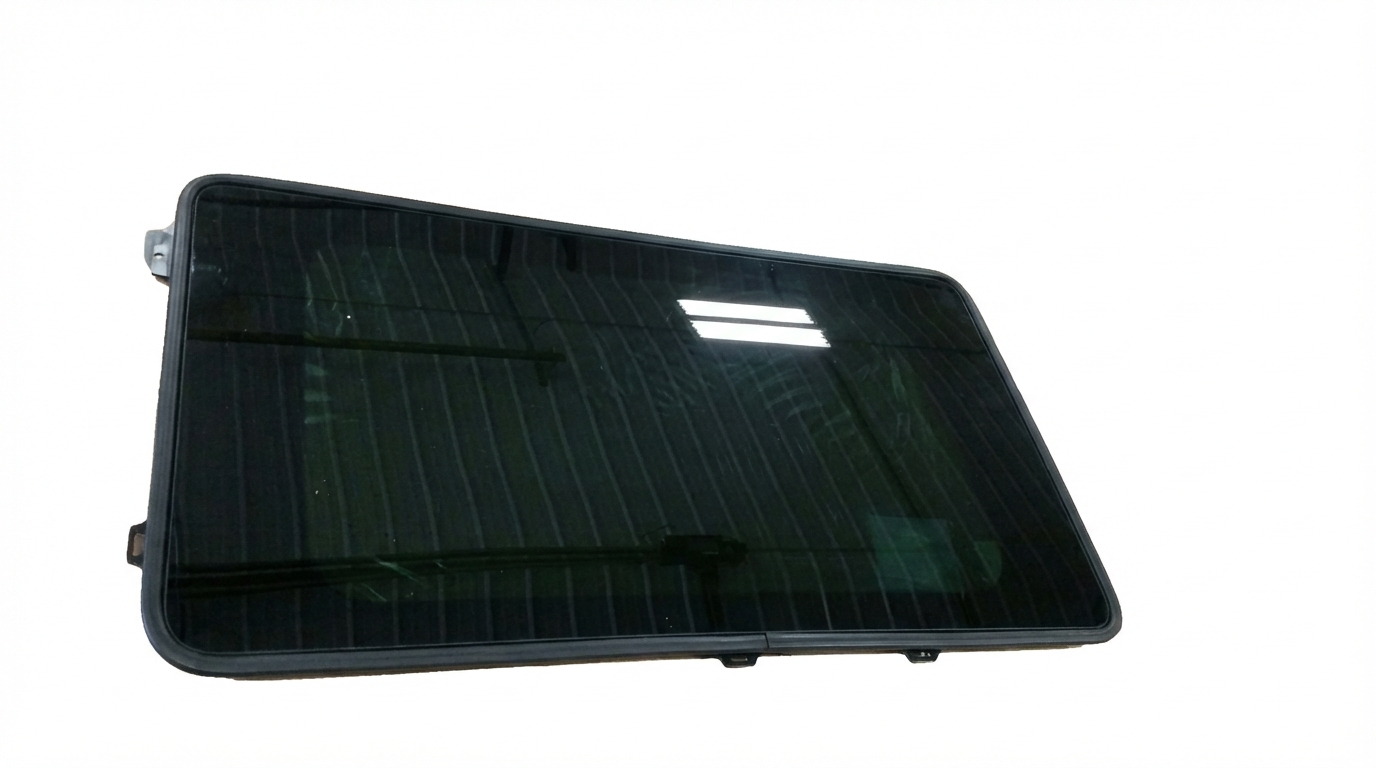
We Have This Part in Stock

The information in this article is provided for general reference and educational purposes only. Vehicle specifications, procedures, and part compatibility can vary by production date, trim level, and region. Always consult your vehicle's factory service manual and verify part numbers before purchasing or performing repairs. Safety-critical components such as airbags, seat belts, and braking systems should be installed by a qualified professional.
- Eagle Vista:
- 🎬 Helpful Videos
- 🛍️ Shop This Part
- Critical Compatibility Warning: Identify Your Vehicle Correctly
- "Rear Window Glass" vs. "Rear Door Glass"
- Symptoms of Failure
- 1. Defroster Not Working
- 2. Water Leaks
- 3. Glass Delamination or Discoloration
- Buying a Used Rear Window Glass: What to Check
- Known Issues, TSBs, and Recalls
- Cost of Replacement
- Installation Overview
- Frequently Asked Questions (FAQ)
- 🎟️ Get 5% Off