

2000-2005 Chevrolet Impala Rear Window: Defroster Faults and Spontaneous Shattering
This guide explains the common causes of rear window failure on the 2000-2005 Impala, focusing on the link between the defroster grid and unexpected shattering.
- The most serious issue is spontaneous shattering, often caused by a faulty rear defroster grid creating a hot spot on the glass.
- A malfunctioning rear defroster is a major warning sign and should be diagnosed immediately to prevent potential glass failure.
- Replacement is not a DIY job; it requires special tools and urethane adhesives for a safe, structural bond.
- When buying a used part, the most critical inspection is of the defroster grid and its electrical connectors for any damage or corrosion.
Symptoms of Rear Window Glass Failure
While a completely shattered window is obvious, there are other signs that the rear glass or its related systems are failing. Paying attention to these can sometimes prevent a sudden failure.
Spontaneous Shattering
The most alarming failure is when the rear window shatters without any impact. Owners often report hearing a loud pop, followed by the glass crazing over or collapsing. This is a known issue with tempered glass and is frequently linked to a fault in the rear defroster system. An electrical short or a bad connection tab on the glass can cause a specific spot to overheat, creating intense thermal stress that the glass cannot withstand. Pre-existing scratches or small chips, especially near the edge, can also create a weak point that fails under temperature changes or body flex.
Malfunctioning Rear Defroster
If your rear defroster isn't working correctly, it's a critical warning sign. Symptoms include the defroster not turning on, only clearing small areas around the grid lines 🎬 Watch: How to diagnose and repair a broken defroster grid, or not melting ice at all. This can be caused by broken grid lines, failed connector tabs on the glass, or a melted electrical connector under the driver's side dash. Since a faulty defroster can lead to spontaneous shattering, it should be diagnosed promptly.
Visible Cracks or Chips
Any visible crack or significant chip means the glass must be replaced. Unlike laminated windshields, which can sometimes be repaired, tempered rear glass cannot be. A crack compromises the entire structure of the glass, and it will eventually shatter completely from bumps, temperature changes, or even closing a door.
Water Leaks or Wind Noise
A whistling or rushing sound from the rear of the cabin at speed can indicate that the urethane seal holding the glass has failed. If you notice water stains on the rear deck or C-pillar trim, or a damp smell in the trunk, a leaking rear window seal is a likely culprit. A TSB was issued for the 2005 model year regarding loose rear window reveal molding, which can contribute to these symptoms.
Known Issues, TSBs, and Recalls
While there have been several major safety recalls for the 2000-2005 Impala, such as for the ignition switch, none specifically address the rear window glass. However, General Motors has issued Technical Service Bulletins (TSBs) related to the rear window assembly.
- TSB for Poor Radio Reception/Inoperative Defogger: A TSB for the 2000 Impala notes that poor radio reception or static that worsens when the defogger is turned on can be linked to problems with the rear window defogger grid. This bulletin acknowledges the connection between the antenna and defroster systems and points to potential grid failures.
- TSB for Loose Rear Window Molding: For 2005 models, a TSB was released to address the rear window reveal molding becoming loose, particularly in the corners. This can lead to wind noise and potential water entry points.
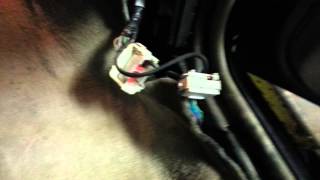
- Common Defroster Circuit Failure: A widely reported issue, documented by mechanics, is the melting of a large electrical connector located under the driver's side dash, near the fuse panel. The purple wire in this connector, which powers the rear defroster, can overheat and lose connection, causing the defroster to fail.
Pro Tip: If your rear defroster has stopped working, before assuming the glass is bad, inspect the large electrical connector under the driver's side dash. A discolored or melted pin for the purple wire 🎬 Watch: How to find and fix this common melted connector is a very common and repairable cause of the problem.
Buying a Used 2000-2005 Impala Rear Window Glass
A used OEM rear window is an excellent, cost-effective option, as it guarantees the correct fit, curvature, and tint. However, careful inspection is crucial before you buy.
What to Check on a Used Part
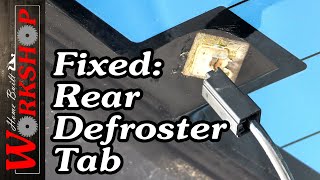
- Defroster Grid and Connectors: This is the most important check. Carefully inspect the entire defroster grid for any breaks or scratches. Pay close attention to the metal power tabs where the wires connect 🎬 Watch: How to repair broken rear defroster tabs to the glass. They should be firmly attached with no signs of corrosion, arcing (burn marks), or previous sloppy repairs. A damaged grid is the primary reason these windows fail.
- Glass Surface and Edges: Run your hand over the entire surface to feel for deep scratches that could weaken the glass. Most importantly, inspect the black ceramic-painted edges for any chips or fractures. Even a tiny chip on the edge can cause the glass to crack during installation or shatter later from thermal stress.
- Tint and Markings: Verify the glass has the standard green tint. The part number DD9622GTY confirms this. Ensure the markings on the glass match what is expected for an OEM part.
- No Delamination or Hazing: Although this is tempered glass, check for any unusual haziness or discoloration which could indicate a manufacturing defect or extreme heat exposure.
Replacement Difficulty and Procedure
Replacing a bonded rear window is a complex job that should be left to professionals or highly experienced DIYers with the correct tools.
- Installation Difficulty: 5 out of 5
- Reason: This job requires specialized tools like urethane cut-out knives (cold knife or wire-out tool), heavy-duty suction cups for handling the glass, and specific chemical primers and urethane adhesives. The urethane bond is structural and critical to the vehicle's safety; an improper installation can lead to catastrophic leaks and compromise roof strength in an accident.
- General Steps: The process involves removing interior C-pillar trim and the rear seat deck, carefully cutting the old urethane seal to remove the damaged glass, cleaning the vehicle's pinch weld frame down to bare metal, applying a special primer to both the body and the new glass, laying a perfectly consistent bead of urethane adhesive, and carefully setting the new glass in place. The vehicle must then sit for several hours for the urethane to cure before it can be safely driven.
Warning: Do not drive the vehicle until the urethane adhesive has fully cured according to the manufacturer's specifications. Driving too soon can break the seal, leading to leaks and an unsafe installation.
Cost Comparison for Rear Window Replacement
Prices can vary by location and supplier, but this provides a general estimate for what to expect.
| Part or Service | Estimated Cost |
|---|---|
| New OEM Glass | $400+ (Often discontinued and difficult to source) |
| New Aftermarket Glass | $200 - $300 |
| Used OEM Glass | $75 - $150 |
| Shop Labor/Installation | $100 - $250 |
Frequently Asked Questions (FAQ)
Why did my rear window shatter for no reason?
This is often called spontaneous shattering and is a known issue. The most common cause on the 2000-2005 Impala is a fault in the rear defroster circuit that creates a hot spot on the glass. The intense, localized heat creates stress that causes the tempered glass to fail. Pre-existing edge chips or deep scratches can also be a cause.
Can I replace the rear window myself?
It is not recommended for a typical DIY mechanic. The rear window is bonded with urethane adhesive and is a structural part of the car. Proper installation requires special tools, primers, and techniques to ensure a safe, leak-proof seal. An incorrect installation can compromise vehicle safety.
My rear defroster doesn't work. Does that mean the glass is bad?
Not necessarily. While a broken grid line on the glass will cause it to fail, the problem could also be a fuse, a relay, or a very common issue with a melted electrical connector under the driver's side dashboard. It's important to diagnose the electrical system before replacing the glass.
Is the rear window glass from a Monte Carlo or Grand Prix the same?
No. While the 2000-2005 Impala shares its W-body platform with other GM cars like the Monte Carlo, Grand Prix, and Regal, the rear window glass is specific to the Impala sedan due to its unique roofline and body shape. You must use a part specifically listed for the 2000-2005 Impala.
Technical Specifications and Part Numbers
| Specification | Value |
|---|---|
| Glass Type | Tempered Safety Glass |
| Tint | Green Tint |
| Features | Heated Defroster Grid |
| Vehicle Fitment | 2000, 2001, 2002, 2003, 2004, 2005 Chevrolet Impala (Sedan models only) |
| Known OEM Part Numbers | 10346584, 10439234 |
| NAGS Part Number | DD09622GTNN, DD9622GTY |
Helpful Videos
![Fixing a Rear Window Defroster [Diagnosis and Repair] Part 1](https://img.youtube.com/vi/sPbcwECKt_g/mqdefault.jpg)
Technical Specifications
OEM Part Numbers: 10346584 10439234
Type: Tempered, Tint: Green, Features: Heated Defroster Grid, NAGS Number: DD09622GTNN
We Have This Part in Stock



The information in this article is provided for general reference and educational purposes only. Vehicle specifications, procedures, and part compatibility can vary by production date, trim level, and region. Always consult your vehicle's factory service manual and verify part numbers before purchasing or performing repairs. Safety-critical components such as airbags, seat belts, and braking systems should be installed by a qualified professional.
- CHEVROLET IMPALA:
- 🎬 Helpful Videos
- 🛍️ Shop This Part
- Symptoms of Rear Window Glass Failure
- Spontaneous Shattering
- Malfunctioning Rear Defroster
- Visible Cracks or Chips
- Water Leaks or Wind Noise
- Known Issues, TSBs, and Recalls
- Buying a Used 2000-2005 Impala Rear Window Glass
- What to Check on a Used Part
- Replacement Difficulty and Procedure
- Cost Comparison for Rear Window Replacement
- Frequently Asked Questions (FAQ)
- Technical Specifications and Part Numbers
- 🎟️ Get 5% Off