

2015-2024 Lexus RC350 Rear Steering Module: Decoding Failures and Calibration Needs
This guide covers the rare Dynamic Rear Steering (DRS) control module, focusing on correct diagnosis, symptoms, and the mandatory calibration required after replacement.
- This module is only for RWD models with the optional Dynamic Rear Steering (DRS); verify your car has this rare option before buying.
- Replacement is NOT plug-and-play. A 'Zero Point Calibration' using a professional scan tool like Lexus Techstream is mandatory after installation.
- Symptoms include a cascade of warning lights (VSC, ABS, EPS). However, the rear steering actuator fails more often than the module, so proper diagnosis is crucial.
- Driving is possible with a failed module, but key safety systems like VSC and ABS will be disabled.
Is Your RC350 Equipped with Dynamic Rear Steering (DRS)?

Compatibility Warning: This module, OEM part number 89182-24010, is ONLY for 2015-2024 Lexus RC350 RWD models equipped with the optional Lexus Dynamic Handling (LDH) package, which includes Dynamic Rear Steering (DRS). It was not a standard feature, even on all F-Sport models. Before purchasing, verify your vehicle has this specific, and relatively rare, option. AWD models do not have this system.
The easiest way to check is by looking at your vehicle's original window sticker or by contacting a Lexus dealer with your VIN. Visually inspecting the rear suspension for the large electronic actuator assembly is another confirmation method.
Symptoms of a Failing Rear Steering Control Module

A failure in the Dynamic Rear Steering system typically won't leave you stranded, but it will light up your dashboard like a Christmas tree as multiple safety systems are interconnected. The primary symptom is the appearance of several warning lights and messages simultaneously.
- Warning Lights: Expect to see warnings for the EPS (Electric Power Steering), ABS, VSC (Vehicle Stability Control), Pre-Collision System (PCS), and AFS (Adaptive Front-lighting System).
- Steering Feel: The rear steering will be disabled, so the car's handling characteristics will change. It will revert to behaving like a standard RC350, which may feel less agile at low speeds and less stable during high-speed maneuvers. In some cases, the front power steering may feel heavy or stiff at a standstill.
- OBD-II Trouble Codes: A professional scan tool is required to read these codes. A simple code reader may not see them. A failure in the DRS system can trigger a cascade of codes across different modules.
- C165A: DRS ECU Malfunction
- C1B17: Motor Rotation angle Mismatch (Stroke Sensor)
- C15C9: DRS System Malfunction
- C120E: DRS Control System
Diagnosing the Problem: Module vs. Actuator

It is critical to understand that the control module (the computer) is not the only part that can fail. In fact, based on owner experiences, it is more common for the rear steering actuator itself to fail. The actuator is a mechanical and electrical assembly located on the rear subframe that physically turns the wheels. It contains a stroke sensor that is exposed to the elements and can fail over time, leading to many of the same symptoms and codes as a bad module.
A Lexus dealership or a qualified independent shop with advanced diagnostic tools (like Toyota Techstream) can perform tests to determine if the fault lies with the module, the actuator, or the wiring between them. Misdiagnosing the issue can lead to purchasing the wrong expensive part, so proper diagnosis is key.
Known Issues, TSBs, and Recalls
As of this writing, there are no specific recalls or Technical Service Bulletins (TSBs) from Lexus or the NHTSA for the Rear Wheel Steering Control Module (89182-24010) on the 2015-2024 RC350. The most prominent recalls for this vehicle generation involve the low-pressure fuel pump.
Pro Tip: While there are no official recalls, problems with the rear steering actuator and its internal sensor are documented in owner forums for Lexus models with this system. Corrosion and age appear to be contributing factors to actuator failure.
Programming and Calibration: A Mandatory Step

Warning: This is NOT a plug-and-play part. After installation, the system requires a Zero Point Calibration. Failure to perform this procedure will result in continued warning lights and a non-functional system.
Zero Point Calibration is a software procedure that resets and synchronizes the steering angle sensor, yaw rate sensor, and deceleration sensor with the vehicle's stability control system. This ensures all safety systems understand the vehicle's straight-ahead position.
- Required Tool: This calibration must be performed using a professional-grade diagnostic scan tool, such as the Toyota/Lexus Techstream software.
- Who Can Do It: A Lexus dealership or a well-equipped independent repair shop that services Toyota/Lexus vehicles can perform the calibration. Most DIY mechanics and local shops will not have the necessary software.
- DIY Feasibility: While the physical replacement of the module may be straightforward, the mandatory software calibration makes this a difficult job for the average DIYer.
Buying a Used Rear Steering Control Module
Purchasing a used OEM module can offer significant savings over a new part from the dealer. Because this is a reliable electronic component (unlike the mechanical actuator), a used module from a reputable source is a smart choice. Here’s what to look for:
- Verify Your Option: First and foremost, confirm your car has Dynamic Rear Steering. Do not buy this part otherwise.
- Match the Part Number: The OEM part number must be an exact match. For this application, you are looking for 89182-24010. Do not confuse it with the front power steering module, which has a different part number (e.g., 89650-24240).
- Inspect for Damage: Check the photos for any signs of physical damage to the casing or connectors. Most importantly, look for any evidence of water intrusion or corrosion on the pins, which can destroy an electronic module.
- Reputable Seller: Buy from a seller with a good return policy and warranty. This gives you protection in the rare case that you receive a defective part.
Cost Comparison
Prices can vary based on your location and the supplier. The main value in buying a used OEM part is the significant cost savings over a new dealer part.
| Part Type | Estimated Cost |
|---|---|
| New OEM | $700 - $800 |
| Used OEM | $100 - $250 |
| Shop Labor (Part Replacement & Calibration) | $150 - $300 |
Frequently Asked Questions (FAQ)
Does a used rear steering module need to be programmed to my car's VIN?
No, this module does not typically need to be programmed to the VIN. However, it absolutely requires the Zero Point Calibration procedure to be performed with a compatible scan tool after installation for the system to function correctly.
Can I install this module myself?
Physically swapping the module is likely a simple task once you access it (it is likely located in the trunk area). However, because of the mandatory Zero Point Calibration that requires expensive, specialized software like Techstream, it is not a complete DIY job for most people. You will need to factor in a visit to a dealer or specialty shop after installation.
Is it safe to drive with a bad rear steering module?
Yes, but with limitations. The vehicle's primary front steering will still work, but the rear wheels will be locked in the straight-ahead position. More importantly, critical safety systems like Vehicle Stability Control (VSC) and ABS will be disabled, which increases risk, especially in emergency maneuvers or on slippery roads. It is recommended to have the issue repaired promptly.
My mechanic says I need a new rear steering actuator, not the module. Is that common?
Yes, it is very common. Forum discussions with Lexus owners suggest that the actuator assembly, which contains a stroke sensor exposed to the elements, is a more frequent failure point than the control module itself. Proper diagnosis is essential to avoid replacing the wrong part.
Technical Specifications
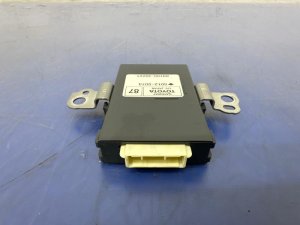
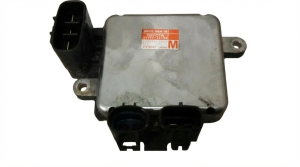
OEM Part Numbers: 89182-24010 8918224010
Controls the Lexus Dynamic Handling (LDH) system with Dynamic Rear Steering (DRS) on select RWD models.
We Have This Part in Stock





The information in this article is provided for general reference and educational purposes only. Vehicle specifications, procedures, and part compatibility can vary by production date, trim level, and region. Always consult your vehicle's factory service manual and verify part numbers before purchasing or performing repairs. Safety-critical components such as airbags, seat belts, and braking systems should be installed by a qualified professional.
- Lexus RC350:
- 🛍️ Shop This Part
- Is Your RC350 Equipped with Dynamic Rear Steering (DRS)?
- Symptoms of a Failing Rear Steering Control Module
- Diagnosing the Problem: Module vs. Actuator
- Known Issues, TSBs, and Recalls
- Programming and Calibration: A Mandatory Step
- Buying a Used Rear Steering Control Module
- Cost Comparison
- Frequently Asked Questions (FAQ)
- 🎟️ Get 5% Off