

2017-2024 Audi R8 Rear Quarter Support Bracket: A Collision Repair Guide
This structural brace is a critical component replaced almost exclusively after a collision; here's what to inspect on a used part.
- This part only fails due to collision damage; it is not a maintenance or wear item.
- Replacement is a complex, professional-only job (5/5 difficulty) requiring removal of the rear bumper and wheel arch liners.
- When buying a used bracket, it is critical to inspect it on a flat surface to ensure it is not bent or cracked.
- These brackets (4S0810141A/4S0810142A) are confirmed to fit 2017-2023 R8 models; fitment outside this range is not guaranteed.
Function and Location
The 2017-2024 Audi R8 utilizes a sophisticated aluminum and carbon fiber chassis, and the rear support mount brackets are key structural elements within this assembly. Located behind the rear wheels, they tie the upper quarter panel structure to the lower frame rail or rocker panel. You cannot see these parts without removing the rear wheels and the wheel arch liners. Because they are integral to the car's structure, a bent or damaged bracket can compromise chassis stiffness and vehicle safety.
Known Issues and Failure Causes
These support brackets are robust metal components that do not have any known common failures, technical service bulletins (TSBs), or recalls associated with them. They do not fail from normal use, high mileage, or age.
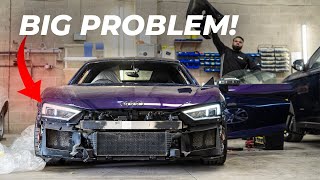
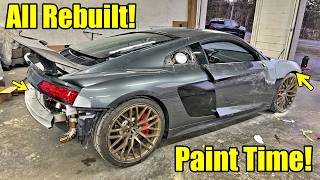
The only significant cause of failure is physical damage from a collision. A rear-end or rear-quarter impact 🎬 See a complete rebuild of a damaged R8 rear end. can easily bend, crack, or break these brackets. Even a minor-looking impact that damages the bumper cover could potentially transfer energy to these underlying supports.
Warning: A damaged support bracket indicates the vehicle has been in an accident. If you suspect a problem with this part on a car you own or are inspecting, a thorough frame and chassis alignment check by a qualified collision repair facility is essential.
Symptoms of a Damaged Rear Support Bracket
Symptoms of a damaged bracket are often secondary to the initial collision damage and may only become apparent after initial repairs are completed if the bracket damage was missed.
- Poor Body Panel Alignment: The most common symptom is a rear bumper cover or quarter panel that doesn't fit correctly. Look for uneven gaps between the bumper and the body, or a bumper that appears to sag or stick out on one side.
- Persistent Rear-End Noises: Creaking, groaning, or popping sounds from the rear of the car, especially when going over bumps, turning sharply, or entering a steep driveway. These noises are caused by the damaged bracket allowing flex in the chassis.
- Unresolved Alignment or Tire Wear Issues: While these brackets are not direct suspension mounting points, damage to this area of the chassis can sometimes contribute to persistent rear wheel alignment problems that can't be corrected with standard adjustments.
Buying a Used Rear Support Mount Bracket Rail Set
Since these parts are only replaced due to accidents, buying a used or recycled OEM bracket is a common practice in collision repair. A straight, undamaged used OEM part is identical in quality to a new one. Aftermarket versions of this part are not available.
Here is what to check before purchasing a used bracket:
- Check for Bends or Kinks: Lay the bracket on a perfectly flat surface. It should sit flush with no rocking or wobbling. Carefully inspect all angles and surfaces for any signs of bending. Even a slight bend means the part is compromised and should not be used.
- Inspect for Cracks: Examine the entire part, especially around the mounting holes and in the corners where the metal is stamped into shape. Look for hairline cracks in the metal or the paint, which can indicate stress from an impact.
- Verify Mounting Holes: Ensure all mounting holes are perfectly round and not elongated or deformed. Damage to the mounting holes suggests the part was torn or stressed during an impact.
- Confirm the Part Number: Match the OEM part number exactly. The left (driver's side) is 4S0810141A and the right (passenger's side) is 4S0810142A. While they look similar, they are not interchangeable.
Pro Tip: When buying online, ask the seller for high-resolution photos of the part on a flat surface to verify it is not bent. Reputable recyclers who specialize in performance vehicles will understand this request.
Cost Breakdown
The cost to replace a rear support bracket is dominated by labor due to the complexity of accessing the part.
| Part/Service | Estimated Cost (per side) |
|---|---|
| New OEM Part | $375 - $425 |
| Used OEM Part | $40 - $200 |
| New Aftermarket Part | Not Available |
| Shop Labor (Replacement Only) | $600 - $900 |
Note: Labor costs do not include paintwork for the bumper or any other collision repairs. This is strictly for the removal and installation of the bracket itself.
Installation Difficulty
Rating: 5 out of 5 (Professional Only)
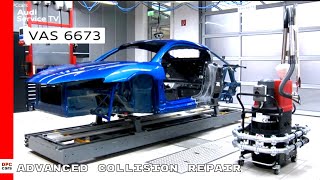
Replacing this bracket is a complex job that should only be performed by a professional body shop, preferably one certified for Audi repairs. 🎬 Watch how an Audi certified collision center repairs structural damage. The process involves:
- Removing the rear wheels.
- Removing the entire rear wheel arch liner, which is held by numerous fasteners.
- Removing the rear bumper cover, 🎬 Watch this video showing the complex rear bumper removal process. which itself requires disconnecting parking sensors, lights, and removing the engine undertray.
- Unbolting the damaged support bracket from the chassis.
- Bolting the new bracket in place, ensuring perfect alignment.
- Reassembling all components in reverse order.
This is not a DIY-friendly task due to the risk of damaging expensive carbon fiber or aluminum body panels and the need for specialized tools and knowledge of the R8's construction.
Frequently Asked Questions (FAQ)
Can I drive my R8 if this bracket is damaged?
If the damage is from a recent accident, the vehicle should be inspected for safety before driving. If the damage is minor and only causing noise or slight panel misalignment, the car is likely drivable, but it should be repaired properly to restore structural integrity. A severely damaged chassis is not safe to drive.
Do these brackets fit all 2016-2024 Audi R8 models?
No. Based on parts listings, these specific part numbers (4S0810141A/4S0810142A) fit 2017-2023 Audi R8 Coupe and Spyder models. They may also fit 2024 models, but the 2016 model year may use a different design. It's also important to note that Audi did not produce an R8 for the 2019 model year for the US market. Always verify fitment with the VIN.
Why can't I find an aftermarket version of this bracket?
Structural chassis components for low-production, high-performance vehicles like the Audi R8 are almost never replicated by aftermarket companies. The development cost, crash-testing requirements, and low demand make it unfeasible. Only OEM parts (new or used) are available.
Is this the same as the rear bumper reinforcement bar?
No. This is a support brace for the chassis structure itself, located in the wheel well area. The main rear bumper reinforcement bar (or impact bar) is a separate, larger component that sits directly behind the plastic bumper cover.
Helpful Videos
Technical Specifications
OEM Part Numbers: 4S0810141A 4S0810142A
Material: Stamped and formed metal (likely steel or aluminum alloy). Location: Rear wheel well, connecting quarter panel to rocker panel structure.

The information in this article is provided for general reference and educational purposes only. Vehicle specifications, procedures, and part compatibility can vary by production date, trim level, and region. Always consult your vehicle's factory service manual and verify part numbers before purchasing or performing repairs. Safety-critical components such as airbags, seat belts, and braking systems should be installed by a qualified professional.
- Audi R8: