

2024 Subaru Impreza Rear Clip: A Major Collision Repair Guide
Understand what a rear clip is, when it's necessary, and what to look for when sourcing a used one for a major structural repair on your 2024 Impreza.
- A rear clip is only used for severe, structural rear-end collision damage; it is not a standard replacement part.
- This is a highly complex and expensive repair that is absolutely not feasible for a DIY mechanic and requires a professional collision center with a frame machine.
- When buying a used clip, you must inspect it for hidden damage, rust, and verify the donor car's history with its VIN.
- An improper repair can make the vehicle extremely unsafe. Using a Subaru Certified Collision Center that follows OEM procedures is highly recommended.
When is a Rear Clip Necessary?

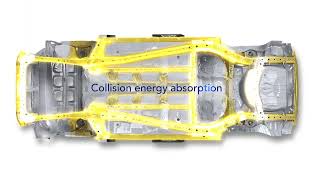
A rear clip is the solution of last resort for severe rear-end collision damage. You don't replace a rear clip for cosmetic issues or minor fender-benders. This procedure is required when the impact has crushed or bent the vehicle's unibody structure beyond the limits of safe repair. This includes damage to the rear frame rails, trunk floor, and suspension mounting points. In these cases, attempting to pull the frame or replace individual panels would not restore the vehicle's original structural rigidity and crash safety. The 2024 Impreza is built on the Subaru Global Platform, 🎬 Watch: Overview of the Subaru Global Platform and safety features which uses extensive high-strength steel to create a rigid and safe chassis. This platform is designed to absorb and dissipate crash energy effectively. When this engineered structure is severely compromised, grafting on a clean, undamaged rear clip from a donor vehicle is often the only way to properly restore its integrity.
Known Issues, TSBs, and Recalls for the 2024 Subaru Impreza

As of mid-2024, there are no recalls or Technical Service Bulletins (TSBs) that specifically pertain to the rear clip, rear frame, or unibody structure of the 2024 Subaru Impreza. The vehicle is relatively new, and widespread structural issues have not been identified. However, several recalls and TSBs exist for components that may be located in the rear of the vehicle and could be relevant during a major repair.
Recalls
- Instrument Panel Harness (NHTSA ID: 23V551000, Subaru Recall: WRL-23): A recall was issued for certain 2024 Impreza and Crosstrek models because the instrument panel harness could contact a steering beam bracket, potentially causing a short circuit and loss of drive power. While this is in the front of the car, any major structural repair requires a thorough inspection of all vehicle wiring, and technicians should be aware of this potential issue.
- Front Driveshaft (NHTSA ID: 23V780000, Subaru Recall: WRP-23): Affects some 2024 Impreza models where the front driveshaft's outer race could crack and break, leading to a loss of power or vehicle rollaway. This is not a rear-of-vehicle issue but is a critical safety recall for the model year.
Technical Service Bulletins (TSBs)
Several TSBs have been issued for the 2024 Impreza, mostly related to reprogramming control modules.
- TSB 09-118-24: Addresses diagnostic trouble codes P2404 and P0087 related to the evaporative emissions system and fuel pressure. The components for this system are located near the rear of the vehicle and could be affected by a collision.
- TSB 07-226-24R: Involves reprogramming for the EyeSight camera assembly. While the cameras are in the front, rear collision repairs can sometimes require a full vehicle systems calibration, including EyeSight.
Pro Tip: Always check for open recalls by VIN on the NHTSA website or with a Subaru dealer before and after any major repair. A Subaru Certified Collision Center is required to follow official repair procedures and perform a multi-point safety inspection after the repair is complete.
Buying a Used Rear Clip: What to Inspect

Purchasing a used rear clip is a critical decision that directly impacts the future safety and integrity of the vehicle. Since you are buying a large portion of another car's skeleton, a thorough inspection is paramount. Subaru's official position is to only use new, genuine Subaru parts for structural repairs and does not support the use of salvaged or recycled components. However, in the real world of collision repair, using a clean, used OEM clip is a common practice. If you go this route, here’s what to check:
- Verify the Donor VIN: Ask the salvage yard for the Vehicle Identification Number (VIN) of the car the clip came from. Run a vehicle history report to ensure it wasn't a flood car, fire-damaged, or involved in a previous severe rear collision itself. You want a clip from a car that was damaged in the front or side, leaving the rear pristine.
- Inspect the Cuts: Examine where the clip was cut from the donor car. The cuts should be clean, straight, and located in areas that give the body technician plenty of material to work with, typically at the B or C pillars and across the floor pan. Avoid clips with jagged, torch-cut edges.
- Check for Hidden Damage: Look for any signs of buckling, kinks, or stress marks in the frame rails and floor pan. Use a straight edge against the frame rails. Even a minor bend indicates the donor car may have sustained more than just a frontal impact.
- Surface Condition: Minor surface rust on bare metal edges is normal, but you must inspect for any deep, pitting rust, especially in the trunk floor, spare tire well, and around suspension mounting points. A clip from a northern, salt-belt state will require more scrutiny than one from the southwest.
- Included Components: Clarify exactly what comes with the clip. Does it include the rear suspension, wiring harnesses, fuel tank, brake lines, and interior trim panels? Getting a more complete clip can save significant time and money compared to transferring all the small parts from the damaged vehicle.
Cost Breakdown
Repairing a vehicle with a rear clip is one of the most expensive procedures in collision repair. The costs are driven by the price of the clip itself and the extensive, highly skilled labor required.
| Part/Service | Estimated Cost | Notes |
|---|---|---|
| New OEM Components | $4,000 - $8,000+ | This involves buying every structural piece individually from Subaru (e.g., quarter panels, floor pan, rear body panel). This is the manufacturer-approved method but is often prohibitively expensive. |
| Used OEM Rear Clip | $1,500 - $4,500 | Price varies based on the salvage yard, the extent of the cut, and what components (suspension, wiring, etc.) are included. |
| Shop Labor | $8,000 - $20,000+ | This is the largest variable. It includes cutting off the old structure, prepping the car, welding on the new clip, frame alignment, body work, and painting. Labor rates can range from $50 to $200 per hour, and this job can take 80-150+ hours. |
| Total Estimated Repair | $10,000 - $25,000+ | Given the high cost, this type of repair is often only performed on very new vehicles where the pre-accident value justifies the expense. Many vehicles requiring a clip are declared a total loss by insurance companies. |
Warning: A vehicle repaired with a rear clip will likely have a 'Salvage' or 'Rebuilt' title, which can significantly impact its resale value and may make it difficult to insure.
Frequently Asked Questions (FAQ)
Is a car repaired with a rear clip safe to drive?
If the repair is performed correctly by a highly skilled technician at a reputable collision center, the vehicle's structural integrity can be restored to factory specifications. The Subaru Global Platform relies on specific types of steel and joining methods to achieve its safety ratings. An improper repair that doesn't replicate these methods can leave the car dangerously unsafe in a future collision. Always use a certified shop that follows OEM repair procedures.
Can I install a rear clip myself?
Absolutely not. This is not a DIY job. Replacing a rear clip requires specialized equipment including a vehicle frame machine, industrial-grade welders, and precision measuring systems to ensure the car's chassis is perfectly aligned. Attempting this without the proper tools and expertise will result in an unsafe vehicle that is misaligned and structurally unsound.
What's the difference between a rear clip and just replacing the bumper and quarter panels?
Replacing a bumper cover, tail lights, and even bolt-on or weld-on quarter panels are standard collision repairs. A rear clip is used when the damage goes much deeper, affecting the unibody structure itself—the frame rails, the floor of the trunk, and the pillars that support the roof. If the core structure is undamaged, a clip is not necessary.
Will a rear clip from any 2024 Impreza fit my car?
While the basic structure is the same across the 2024 Impreza hatchback lineup (Base, Sport, RS), there could be minor differences in brackets or mounting points for trim-specific features. It is crucial to source a clip from a car that is as identical to yours as possible. Always provide the body shop with your vehicle's VIN to ensure compatibility of any included sub-components.
Helpful Videos
Technical Specifications
OEM Part Numbers: 52401FN0009P (Rear Body Panel) 57704FN501 (Rear Bumper Cover)
The 2024 Impreza is built on the Subaru Global Platform (SGP), which features 70-100% increased structural rigidity and 40% more efficient crash energy absorption compared to previous platforms through the use of high-tensile steel.

The information in this article is provided for general reference and educational purposes only. Vehicle specifications, procedures, and part compatibility can vary by production date, trim level, and region. Always consult your vehicle's factory service manual and verify part numbers before purchasing or performing repairs. Safety-critical components such as airbags, seat belts, and braking systems should be installed by a qualified professional.
- Subaru Impreza: