

2000-2003 Nissan Sentra Rear Clip: A Collision Repair and Inspection Guide
Understand what a 'rear clip' is, how to inspect a used one for rust and damage, and why this major repair is strictly for professionals.
- A 'rear clip' is a salvage part used for major collision repair and is not a standard OEM component.
- Installation is a complex, professional-only job requiring frame machines and structural welding, rated 5/5 for difficulty.
- When buying a used clip, thoroughly inspect for rust (especially at subframe mounts and in the trunk floor) and hidden damage from the donor car's accident.
- The total cost of installing a rear clip will almost always exceed the value of a 2000-2003 Sentra, often leading to the car being totaled by insurance.
What is a Rear Clip and Why Would You Need One?

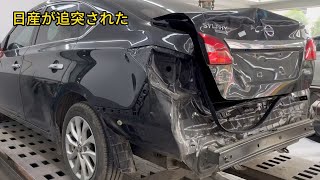
If you're looking for a rear clip, it means your Nissan Sentra has suffered from a major rear-end collision. This isn't a standard replacement part; it's a significant portion of the car's unibody structure, salvaged from another vehicle. Body shops use rear clips to replace entire crushed sections of a car, which can be more efficient than trying to straighten or replace dozens of individual panels. The process involves cutting the damaged section off the car and precisely welding the donor clip in its place. 🎬 Watch this video on restoring a Nissan Sentra after a rear-end collision. This is a complex structural repair that restores the integrity of the vehicle's chassis.
Symptoms of a Damaged Rear End Requiring a Clip

The need for a rear clip is the result of a severe accident. The symptoms are not subtle and point to damage beyond simple bolt-on parts.
- Severe Visible Damage: The most obvious sign is a rear end that is visibly crushed, buckled, or twisted from an impact.
- Frame Rail Damage: The underlying frame rails (the main structural beams of the unibody) are bent or kinked. This is a clear indicator that a simple bumper or trunk lid replacement won't be enough.
- Buckled Trunk Floor: The floor of the trunk is wrinkled or pushed upwards, often affecting the spare tire well.
- Quarter Panel and C-Pillar Damage: The body panels behind the rear doors are bent, and the C-pillars (the pillars supporting the rear window) are out of alignment.
- Poor Panel Gaps: After a collision, you may notice that the trunk lid, rear doors, and bumper have uneven gaps or don't align correctly, indicating the underlying structure has shifted.
Warning: A badly repaired unibody can compromise the vehicle's safety in a future collision. The welding and alignment must be done to factory specifications to ensure structural integrity.
Buying a Used Rear Clip: A Detailed Inspection Checklist

Purchasing a used rear clip is a smart way to source the necessary parts for a major repair, but careful inspection is critical. You are buying the foundation for your car's repair, and any hidden issues in the donor clip will cause major problems down the line.
1. Inspect for Rust
For a vehicle from the early 2000s, rust is a primary concern. Nissans of this era can be prone to rust, especially in areas exposed to road salt. Thoroughly inspect the following areas on the donor clip:
- Rear Subframe Mounts: Check where the rear suspension subframe bolts to the chassis. This is a critical structural area that can rust out.
- Trunk Floor and Spare Tire Well: Look for any signs of corrosion, especially under any existing carpet or sound deadening material. Water can pool here and cause significant rust.
- Wheel Wells and Quarter Panel Lips: The inner and outer wheel wells are common rust spots. Peel back any plastic liners if possible to get a clear view.
- Seam Sealer Lines: Check the factory seam sealer in the trunk and along panel joints. If it's cracked, flaking, or looks non-original, it could be hiding rust underneath.
2. Check for Hidden Collision Damage
The donor car was likely in a salvage yard for a reason. Ensure the clip you're buying doesn't have its own hidden damage.
- Look for Ripples and Waves: Sight down the length of the quarter panels. Any ripples, waves, or inconsistencies in the reflection indicate previous bodywork or damage.
- Check for Body Filler: Use a small magnet to check for the presence of Bondo (body filler) on the quarter panels and rear panel. A magnet won't stick to areas with thick filler.
- Inspect the Cut Points: Examine where the clip was cut from the donor car. The cuts should be clean and located where the body shop plans to make their seams (usually the C-pillars and across the floor pan). Messy or jagged cuts create more work and potential for error.
3. Verify Included Components
Confirm exactly what is included with the clip to understand its value. A more complete clip can save you hundreds of dollars in additional parts.
- Trunk Lid
- Rear Bumper Reinforcement and Cover
- Taillights and Wiring Harness
- Rear Window Glass
- Interior Trim Panels
Pro Tip: Take detailed photos of the clip at the salvage yard from all angles. Document its condition and all included parts before you pay. This protects you if the delivered item is not what you inspected.
Known Issues, Recalls, and TSBs for 2000-2003 Nissan Sentra
While there are no recalls specifically for the 'rear clip,' there are several relevant issues for the 2000-2003 Sentra that you should be aware of, as they can affect components in the rear of the vehicle.
- Recalls for Engine Sensors: Multiple recalls were issued for faulty crank and cam position sensors (NHTSA 03V-455, 03V-477) which could cause the engine to stall unexpectedly. While not a body issue, it's a critical reliability point for this generation.
- Takata Airbag Recalls: Like many vehicles from this era, the Sentra was subject to the massive Takata airbag recall, which involves passenger-side inflators that could rupture. Ensure this has been addressed on the vehicle being repaired.
- Rear Subframe Rust: While not an official recall, owners of various Nissan models from the 2000s have reported significant rust issues with front and rear subframes, sometimes leading to structural failure. This makes inspecting the subframe mounting points on a donor clip absolutely essential.
Cost Breakdown
Replacing a rear clip is one of the most expensive collision repairs possible. The cost of the used clip itself is only a fraction of the total expense.
| Part/Service | Estimated Cost | Notes |
|---|---|---|
| New OEM Components | $2,000 - $4,000+ | This involves buying each panel, bracket, and reinforcement individually from Nissan. For example, a new trunk lid (H4300-5M030) can be over $400 and a rear bumper armature (85030-5M030) around $190. This does not include quarter panels or the floor pan, which would add thousands more. |
| Used OEM Rear Clip | $500 - $1,500 | Price varies widely based on condition, completeness (with lights, bumper, etc.), and the salvage yard. |
| Shop Labor | $4,000 - $10,000+ | This is a highly intensive job requiring dozens of hours for cutting, welding, aligning on a frame machine, and prepping for paint. |
| Painting & Finishing | $1,500 - $3,000+ | Cost to paint the new clip and blend the new paint into the existing body panels for a seamless match. |
| Total Estimated Repair Cost | $6,000 - $15,000+ | The total cost often exceeds the value of a 2000-2003 Sentra, which is why such damage often results in the vehicle being declared a total loss by insurance companies. |
Installation Difficulty: 5 out of 5

This is not a DIY project. Replacing a rear clip is a major structural operation that requires specialized equipment and a high level of professional skill.
- Estimated Time: 40-80+ hours
- Required Equipment: Automotive lift, frame machine, plasma cutter or saws, MIG/spot welders, extensive bodywork and painting tools.
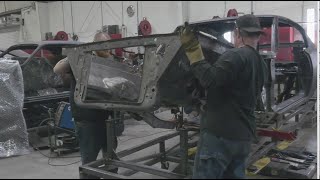
- Procedure: The process involves precisely measuring the damaged vehicle, cutting away the old structure, test-fitting the donor clip, making dozens of structural welds, and ensuring the final assembly is within factory alignment specifications. 🎬 Watch how a body shop clips a unibody vehicle. Any error can result in a vehicle that is unsafe, handles poorly, and has persistent problems like water leaks and uneven tire wear.
Frequently Asked Questions (FAQ)
Can I just replace one quarter panel instead of the whole clip?
Yes, if the damage is limited to one side and has not affected the trunk floor or underlying frame rails, a body shop can replace just the single quarter panel. This is a less intensive, but still professional-level, repair.
Will a rear clip from a 2004-2006 Sentra fit my 2002 model?
While some individual parts like the trunk lid or bumper reinforcement may fit across the 2000-2006 generation, the main body structure may have minor differences. It is always best to source a clip from the exact same year range (2000-2003) to ensure perfect compatibility of all mounting points and body lines.
Does a repaired title affect the car's value?
Yes, significantly. A vehicle that has required a rear clip replacement will almost certainly have a 'salvage' or 'rebuilt' title. This permanently reduces the resale value of the car, as it indicates a history of severe damage.
What's the difference between a rear clip and a rear subframe?
A rear clip is the sheet metal body structure of the car. A rear subframe (or rear axle beam on this Sentra) is the separate steel assembly that holds the suspension components and wheels. The subframe bolts up to the unibody. While they are in the same area, they are distinct parts. Subframe rust or damage is a separate issue from body damage.
Helpful Videos
Technical Specifications
OEM Part Numbers: 73112-5M030 73112-5M035 85030-5M030 85038-5M030 G8112-5M030 G8112-5M035 G8113-5M030 G8113-5M035 H4300-5M030 H4300-5M035 H5022-5M025
A rear clip is a non-standardized assembly cut from a donor vehicle. Dimensions and included components vary. The primary structure is part of the unibody chassis. Individual components within the clip, like the trunk lid (H4300-5M030) and rear bumper reinforcement (85030-5M030), have specific OEM part numbers.

The information in this article is provided for general reference and educational purposes only. Vehicle specifications, procedures, and part compatibility can vary by production date, trim level, and region. Always consult your vehicle's factory service manual and verify part numbers before purchasing or performing repairs. Safety-critical components such as airbags, seat belts, and braking systems should be installed by a qualified professional.
- Nissan Sentra:
- 🎬 Helpful Videos
- What is a Rear Clip and Why Would You Need One?
- Symptoms of a Damaged Rear End Requiring a Clip
- Buying a Used Rear Clip: A Detailed Inspection Checklist
- 1. Inspect for Rust
- 2. Check for Hidden Collision Damage
- 3. Verify Included Components
- Known Issues, Recalls, and TSBs for 2000-2003 Nissan Sentra
- Cost Breakdown
- Installation Difficulty: 5 out of 5
- Frequently Asked Questions (FAQ)
- 🎟️ Get 5% Off