

2013-2016 Mazda CX-5 Rear Clip: Collision Repair and Compatibility Guide
This guide details how to inspect and purchase a used rear clip for your 2013-2016 CX-5, focusing on critical compatibility checks and known recalls.
- A rear clip is a professional-only repair for severe collision damage; it is not a DIY project.
- Compatibility is critical. The donor clip MUST match your CX-5's options for backup camera, advanced keyless entry, and sunroof to avoid wiring and fitment issues.
- Be aware of two major safety recalls: one for corroding tailgate struts (16V-593) and one for a fuel filler pipe that can rupture in a crash (16V-064). Ensure these are addressed during the repair.
- Always have a professional body shop source and inspect the used clip for hidden damage, prior repairs, and corrosion before beginning work.
Symptoms of a Damaged Rear Clip

The need for a rear clip replacement is almost always the result of a significant rear-end collision. The symptoms are typically obvious and severe.
- Visible Structural Damage: This includes buckled quarter panels, a pushed-in trunk floor, or a bent rear body panel where the tailgate latches. The frame rails underneath may also be bent or kinked.
- Panel Misalignment: The tailgate, rear doors, and bumper may be severely misaligned, with uneven gaps or the inability to open and close properly.
- Water Leaks: After a poor repair of previous damage, water may leak into the trunk or cabin through failed welds or damaged seals.
- Electrical Issues: Damaged wiring harnesses within the rear body can cause taillights, backup cameras, keyless entry sensors, and other rear-mounted electronics to fail.
Buying a Used 2013-2016 CX-5 Rear Clip: A Step-by-Step Guide

Purchasing a used rear clip is a decision for a professional body shop, but as a vehicle owner, understanding the process helps you ensure a quality repair. The key is finding a damage-free clip from a donor vehicle that perfectly matches your car's features.
Crucial: Match Your Vehicle's Options
The most common and costly mistake is buying a clip that is incompatible with your vehicle's electronic features. The wiring harnesses are different between trim levels. Before purchasing, you must verify that the donor vehicle had the exact same options as yours:
- Backup Camera: The mounting points and, more importantly, the wiring harness for the camera are integrated into the rear body and tailgate. A clip from a non-camera car will lack the correct harness.
- Advanced Keyless Entry: Models with advanced keyless entry have sensor antennas located in the rear of the vehicle, including one near the bumper area. The wiring for this system must be present in the donor clip. Forum users attempting to retrofit this system have noted the complexity involving multiple antennas and a specific control module.
- Sunroof: Vehicles with a sunroof have rear drain tubes that run down the C-pillars (the pillars on either side of the tailgate glass). A clip from a car without a sunroof will not have the provisions for these tubes, leading to water leaks inside your vehicle. 🎬 Watch this guide on fixing Mazda CX-5 sunroof leaks
Pro Tip: The best way to ensure compatibility is to provide the body shop with your vehicle's VIN. The salvage yard can then match it to a donor vehicle with the same factory-installed options.
Physical Inspection Checklist
Once a potentially matching clip is found, it must be thoroughly inspected:
- Check for Hidden Damage: Look for any signs of a previous collision on the donor clip itself. Check for filler (Bondo), mismatched paint, or non-factory welds.
- Inspect for Corrosion: Especially for vehicles from the Salt Belt, check the trunk floor, wheel wells, and lower quarter panels for rust. Surface rust may be acceptable, but any deep or structural corrosion is a red flag.
- Verify Straightness: A body shop will use measurements to confirm the clip is straight, but a visual inspection can spot obvious issues. Look down the lines of the quarter panels and frame rails to ensure they are true.
- Confirm Included Parts: Clarify exactly what is included with the clip—tailgate, bumper, lights, etc. Inspect these components for their condition.
Known Issues, Recalls, and TSBs for the Rear Body

While the rear body structure itself is robust, several components in that area have known issues or recalls that are important to be aware of during a repair.
- Recall 16V-593 (Mazda #9916H): Corroding Liftgate Supports: Mazda issued a recall for 2013-2016 CX-5s because the liftgate support struts could corrode and fail, causing the tailgate to drop unexpectedly. Any used clip should have these supports replaced with the updated parts as part of the repair. A subsequent Technical Service Bulletin (TSB 09-030/19) was issued to address squeaking noises from the replacement struts, requiring another modified part.
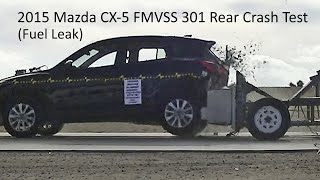
- Recall 16V-064: Fuel Filler Pipe Rupture: On 2014-2016 models, the fuel filler pipe could rupture in a rear collision, increasing fire risk. The fix involves removing a specific mounting bolt to change how forces are transferred during an impact. When replacing a rear clip, the body shop must ensure this recall procedure is correctly applied to the repaired vehicle.
- Premature Rear Brake Wear: Many owners report faster-than-normal wear on the rear brake pads, sometimes caused by sticking caliper slide pins. While not part of the clip itself, it's a wise maintenance item to address while the rear of the car is being worked on.
Rear Clip Replacement Cost Breakdown
A rear clip is used for repairs that are too extensive for individual panel replacement. The cost savings come from reduced labor and the price of the assembly versus buying every component new from the manufacturer.
| Part / Service | Estimated Cost | Notes |
|---|---|---|
| Used OEM Rear Clip Assembly | $1,500 - $3,500+ | Price varies widely based on included components (tailgate, bumper, lights) and condition. Freight shipping is a significant additional cost. |
| New OEM Individual Panels (for comparison) | $3,000 - $5,000+ | This includes just the main structural panels like quarter panels and the rear body panel. For example, a single rear impact bar (KD35-50-260E) can cost over $200-$300. A bumper cover (KDY7-50-22XD-BB) adds several hundred more. |
| Professional Body Shop Labor | $4,000 - $10,000+ | This is a highly skilled, labor-intensive job involving cutting, welding, and finishing. Total repair costs for significant rear-end damage can easily exceed $5,000-$10,000. |
Installation: Why This Is a Job for Professionals

Warning: A rear clip replacement is not a DIY job. It is a major structural repair that requires specialized equipment and certified technicians to ensure the vehicle's safety and integrity.
The installation process involves:
- Measurement and Assessment: The vehicle is put on a frame machine to measure the extent of the damage and determine the precise cut locations.
- Disassembly: The damaged section of the car is completely stripped of trim, wiring, and components.
- Cutting and Removal: The damaged body section is cut away from the vehicle's unibody.
- Welding and Fitting: The new clip is precisely aligned and welded into place using techniques that replicate factory welds to maintain structural strength.
- Finishing and Reassembly: The repaired area is sealed, rust-proofed, and painted. All components, wiring, and trim are reinstalled.
Frequently Asked Questions (FAQ)
What parts are typically included with a rear clip?
At a minimum, it includes the quarter panels, trunk floor, and rear body panel. Often, it will also include the tailgate, rear bumper, and taillights. You must confirm the exact included parts with the seller before purchase.
Can I install a rear clip myself?
No. This is a complex structural repair that requires professional training, a frame machine for alignment, and specialized welding equipment. Improper installation can make the vehicle unsafe to drive. The installation difficulty is 5 out of 5.
Will a rear clip replacement result in a salvage or rebuilt title?
Almost certainly. The level of damage requiring a clip replacement typically results in the vehicle being declared a total loss by an insurance company. Once repaired, the vehicle will be issued a salvage or rebuilt title, which can affect its resale value and insurability.
Do I need to worry about the tailgate strut recall if I get a whole new clip?
Yes. The recall (NHTSA 16V-593) is for weak liftgate supports that can fail. The used clip will likely have the original, faulty struts. You should have your mechanic install new, updated struts (and check for the squeaking TSB) as part of the repair to ensure safety.
Helpful Videos
Technical Specifications
OEM Part Numbers: KD3550260E KD3550260D KD3550260C KDY75022XDBB MA1100210
A 'rear clip' is an assembly of multiple parts and does not have a single part number. It is identified by the donor vehicle's VIN and options. Key components include the rear quarter panels, trunk floor, and rear body panel.

The information in this article is provided for general reference and educational purposes only. Vehicle specifications, procedures, and part compatibility can vary by production date, trim level, and region. Always consult your vehicle's factory service manual and verify part numbers before purchasing or performing repairs. Safety-critical components such as airbags, seat belts, and braking systems should be installed by a qualified professional.
- Mazda CX-5:
- 🎬 Helpful Videos
- Symptoms of a Damaged Rear Clip
- Buying a Used 2013-2016 CX-5 Rear Clip: A Step-by-Step Guide
- Crucial: Match Your Vehicle's Options
- Physical Inspection Checklist
- Known Issues, Recalls, and TSBs for the Rear Body
- Rear Clip Replacement Cost Breakdown
- Installation: Why This Is a Job for Professionals
- Frequently Asked Questions (FAQ)
- 🎟️ Get 5% Off