

1996-1997 Thunderbird Rear Bumper Guide: Fixing Sag & Interchange Facts
Your definitive reference for identifying damage, checking for common sag issues, and finding a quality used rear bumper assembly for your MN12 platform Ford Thunderbird.
- The outer bumper cover is specific to the 1996-1997 Thunderbird, but the inner steel reinforcement bar is often shared with the 1996-1997 Mercury Cougar.
- When buying a used bumper, the integrity of the plastic mounting tabs is the most important factor for proper fitment.
- Bumper sag is a common age-related issue; inspect any used part for warping by laying it on a flat surface.
- There are no factory recalls for the rear bumper assembly itself; all common problems are related to age and physical damage.
Symptoms of a Damaged Rear Bumper
Identifying rear bumper damage goes beyond looking for obvious cracks and scratches. A thorough inspection can reveal hidden issues that may affect fitment and safety.
- Visible Cracks, Scuffs, or Paint Failure: The most common symptom is cosmetic damage from minor impacts. Look for deep gouges that go through the plastic, spiderweb cracks in the paint, or areas where the plastic is torn, especially around corners.
- Bumper Sag or Distortion: A very common issue on vehicles of this era. The large plastic cover can warp from years of sun exposure or the failure of mounting tabs. This results in a noticeable downward droop and a large, uneven gap between the bumper and the body or taillights.
- Poor Alignment: If the gaps between the bumper and the quarter panels or trunk lid are uneven, it often indicates that the underlying steel reinforcement bar is bent from an impact. This can also make the trunk harder to close or cause the taillights to appear misaligned.
- Loose Fitment or Rattling: Broken clips, missing screws, or failed mounting tabs can cause the bumper cover to feel loose or vibrate when driving. This is common as the 30-year-old plastic becomes brittle.
Pro Tip: To check for sag, look at the car from the side. The character line on the bumper should flow smoothly into the line on the quarter panel. If it droops down toward the rear, the bumper is sagging.
Buying a Used 1996-1997 Thunderbird Rear Bumper Assembly
Since new OEM parts are effectively discontinued, finding a quality used bumper is the most common repair route. Here’s what to look for to ensure you get a good part.
1. Inspect All Mounting Points
This is the most critical inspection. Carefully check all the plastic tabs, slots, and screw holes on the top and sides where the bumper attaches to the quarter panels and rear body. These areas are the first to break in a minor impact and become extremely brittle with age. A bumper with even one broken main mounting tab will never sit correctly and will likely sag or pop out of place.
2. Check for Warping and Distortion
Lay the bumper on a flat, level surface like a concrete floor. Look to see if it sits flat or if it's twisted or bowed. A warped bumper cover will be difficult to install and will have persistent alignment issues. Pay close attention to the areas below the taillights, as this is a common spot for heat distortion from the exhaust.
3. Look for Hidden Prior Repairs
Inspect the backside of the bumper cover. Look for signs of plastic welding, fiberglass patches, or thick layers of body filler or epoxy. While a professional repair can be durable, a poor repair will often crack or fail. Fresh primer on the backside is a red flag that a repair is being hidden.
4. Structural Integrity Over Paint Condition
Prioritize a bumper that is structurally perfect—no cracks, no broken tabs, no warping—even if the paint is faded or scratched. A used bumper will almost always need to be repainted to match your vehicle perfectly. It is far cheaper to repaint a solid bumper than it is to repair a cracked one with good paint.
Component Breakdown and Part Numbers
The rear bumper assembly consists of several key parts. When buying used, confirm which components are included.
| Component | OEM Part Number | Function |
|---|---|---|
| Rear Bumper Cover (Fascia) | F6SZ-17K835-AA | The flexible, painted outer shell. This part is specific to the Thunderbird. |
| Rear Bumper Impact Absorber | F6SZ-17906-BA | The foam piece that sits between the cover and the steel bar to absorb low-speed impacts. |
| Rear Bumper Reinforcement Bar | (Varies, see interchange note) | The steel impact bar that bolts to the frame. This part is often shared with the Mercury Cougar. |
Compatibility Warning: The outer rear bumper cover is unique to the 1996-1997 Ford Thunderbird. However, the internal steel reinforcement bar is often interchangeable with the 1996-1997 Mercury Cougar. Always verify the outer cover is from a Thunderbird, as the Cougar's cover has a different shape to match its taillights.
Known Issues, Recalls, and Service Bulletins
There are no official recalls or Technical Service Bulletins (TSBs) from Ford for the rear bumper assembly on the 1996-1997 Thunderbird. The most common issues are age-related, such as brittle plastic mounting tabs breaking and the cover sagging over time. While some aftermarket bumper lamps were recalled for not meeting federal standards, this did not apply to the factory-installed equipment or the bumper structure itself.
Cost Comparison for a Replacement Bumper Cover
Costs can vary significantly based on condition, source, and what's included. Painting costs are separate and typically add $300-$600.
| Part Type | Estimated Cost | Notes |
|---|---|---|
| New OEM | N/A | No longer available from Ford. Only found as expensive New Old Stock (NOS) if at all. |
| New Aftermarket | $250 - $450 | Fit and finish can be inconsistent compared to OEM. May require more prep work before painting. |
| Used OEM | $150 - $400 | The best option for fitment. Price depends heavily on condition and shipping costs. |
| Shop Labor (Installation Only) | $120 - $250 | Based on 1-2 hours of labor at a typical independent shop rate of $120-$159/hour. |
Installation Guide & Difficulty
- Difficulty: 2 out of 5 (Easy to Moderate)
- Estimated Time: 1.5 hours
- DIY Feasible: Yes, for those comfortable with basic hand tools.
Replacing the rear bumper cover is a straightforward process. While steps may vary slightly, the general procedure is as follows:
- Open the trunk to access the upper mounting hardware and disconnect the license plate lights.
- Remove the taillights. There are typically nuts on the inside of the trunk holding the taillight assemblies in place. Removing them provides access to side mounting brackets.
- Remove fasteners in each wheel well. Look for screws or plastic push-pins that attach the corner of the bumper cover to the quarter panel and inner liner.
- Remove fasteners underneath the bumper. There will be several bolts or clips securing the bottom edge of the bumper cover to the car's body or reinforcement bar.
- Carefully pull the bumper away from the car. Start at the corners, gently pulling the sides of the bumper cover away from the quarter panels to release the retaining clips. Once both sides are free, the entire cover can be pulled straight back.
Frequently Asked Questions (FAQ)
Will a 1997 Mercury Cougar rear bumper fit my 1996 Thunderbird?
No, the outer bumper cover will not fit. The Cougar has different taillights and body lines. However, the internal steel reinforcement bar is often the same and can be interchanged between the two models.
How can I fix a sagging rear bumper?
A sagging bumper is usually caused by broken mounting tabs or distorted plastic. If the tabs are broken, plastic welding may be an option for a skilled DIYer, but replacement is often more reliable. If the bumper itself is warped but the tabs are intact, sometimes shims (washers) can be used at the mounting points to adjust its position and improve alignment, a common technique on older vehicles.
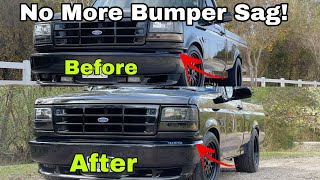
🎬 Watch this guide on adjusting and repairing bumper sagDo I have to paint a used bumper cover?
It is highly recommended. Even if you find a bumper from a car with the same color code, 30 years of sun exposure means the paint will not be a perfect match to your car's body panels. For a professional result, the used bumper should be properly prepped and repainted by a body shop.
Can I replace the rear bumper assembly myself?
Yes, this is a very manageable DIY project for most people. It involves basic hand tools like sockets, wrenches, and a trim removal tool. No specialized equipment is needed, and having a second person to help handle the large, flexible cover can make the process much easier.
Helpful Videos
Technical Specifications
OEM Part Numbers: F6SZ-17K835-AA (Rear Bumper Cover) F6SZ-17906-BA (Rear Bumper Impact Absorber)
The assembly consists of a flexible plastic outer cover (fascia), a foam energy absorber, and a steel reinforcement bar.

The information in this article is provided for general reference and educational purposes only. Vehicle specifications, procedures, and part compatibility can vary by production date, trim level, and region. Always consult your vehicle's factory service manual and verify part numbers before purchasing or performing repairs. Safety-critical components such as airbags, seat belts, and braking systems should be installed by a qualified professional.
- Ford Thunderbird:
- 🎬 Helpful Videos
- Symptoms of a Damaged Rear Bumper
- Buying a Used 1996-1997 Thunderbird Rear Bumper Assembly
- 1. Inspect All Mounting Points
- 2. Check for Warping and Distortion
- 3. Look for Hidden Prior Repairs
- 4. Structural Integrity Over Paint Condition
- Component Breakdown and Part Numbers
- Known Issues, Recalls, and Service Bulletins
- Cost Comparison for a Replacement Bumper Cover
- Installation Guide & Difficulty
- Frequently Asked Questions (FAQ)
- 🎟️ Get 5% Off