

2000-2001 Mazda 626 Rear Finish Panel: Decoding the Critical Mid-Year VIN Split
This guide covers the essential compatibility warning for the 2001 model year and how to inspect a used rear trunk garnish before you buy.
- The most critical factor is the VIN split for 2001 models; this panel only fits vehicles produced up to VIN 254394.
- Failure is typically cosmetic (cracks, fading) or functional (water leaks, broken lights).
- New OEM and aftermarket panels are generally not available, making a good-condition used OEM part the only viable option.
- When buying used, inspect for cracks around mounting points and ensure electrical harnesses are intact.
Critical Compatibility Warning for 2001 Models
Warning: A significant production change occurred during the 2001 model year. This rear finish panel only fits 2000 models and 2001 models produced up to Vehicle Identification Number (VIN) 254394. It will not fit later 2001 models. Before purchasing, you must verify your vehicle's VIN to ensure compatibility. The VIN can be found on the driver's side dashboard (visible through the windshield) or on the driver's side door jamb sticker.
Symptoms of a Failing Rear Finish Panel
Failure of this panel is almost always physical or cosmetic. Here are the most common symptoms:
- Cracked or Faded Plastic: Over time, exposure to sunlight and weather can cause the plastic to become brittle, leading to cracks. The colored or clear portions of the panel can also fade, haze over, or delaminate, making the vehicle look aged.
- Water Leaks into the Trunk: The panel is sealed to the trunk lid with a gasket or sealant. When this seal degrades, or if the panel itself cracks, water can seep past it and into the trunk. This can lead to musty smells, mold, and damage to the trunk's contents or carpeting. 🎬 See how water leaks into a Mazda trunk
- Malfunctioning Lights or Trunk Release: If the license plate lights flicker or don't work, the cause can be a bad bulb, but it can also be corrosion in the bulb sockets or damaged wiring within the finish panel itself. Similarly, a non-functional electric trunk release button can be caused by a failed switch housed in the panel.
- Loose Fit or Rattling: The panel is held on by clips and nuts. If the mounting tabs on the back of the panel break, it can become loose and rattle while driving or vibrate when closing the trunk.
Buying a Used Rear Body Panel Finish Panel
Since new OEM panels are largely unavailable, a quality used part is the best option. Here’s what to look for when inspecting a recycled OEM panel:
1. Check for Cracks, Especially at Mounting Points
The most important inspection is for hairline cracks. Pay close attention to the areas around the screw holes and clip locations on the back of the panel. These are high-stress areas that can be easily damaged during removal from the donor vehicle. A crack in a mounting point will prevent the panel from seating securely.
2. Inspect the Lens and Finish
Look at the surface of the panel under good light. Check for deep scratches, hazing, or fading. If the panel has a clear or red lens element, ensure it is not cloudy or full of condensation, as this indicates a failed seal.
3. Verify Gaskets and Seals
Check the condition of any foam or rubber gaskets on the back. While it's wise to apply new sealant during installation, a part with a completely rotted or missing gasket may have allowed water to sit and damage the panel itself.
4. Examine Electrical Components
If possible, inspect the license plate light sockets for rust or corrosion. Ensure the wiring harness is intact with no cut wires. The connectors should be clean and free of damage. Replacing these small electrical parts can be a hassle, so starting with a good harness is a major advantage.
Pro Tip: Ask the seller if the panel came from a 2000 or an early 2001 model. If it's from a 2001, ask if they can verify the VIN of the donor car was below 254394. When in doubt, compare photos of the back of the panel to your original part, paying close attention to the number and location of mounting tabs.
Known Issues, Recalls, and TSBs
There are no recalls or common Technical Service Bulletins (TSBs) issued by Mazda or the NHTSA specifically for the rear finish panel on the 2000-2001 Mazda 626. The vehicle itself was subject to a few recalls for issues like a brake master cylinder cap and aftermarket fuel filters, but none affect this part.
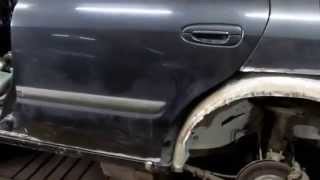
A widely reported issue for this generation of Mazda 626 is a tendency to develop rust, particularly in the rear wheel wells and on the rocker panels. 🎬 Watch a rocker panel and wheel well replacement While not a fault of the panel itself, you should inspect the area of the trunk lid where the panel mounts for any signs of rust or corrosion before installing a replacement part.
Cost of Replacement
Pricing for the 2000-2001 Mazda 626 rear finish panel can vary significantly based on availability and condition.
| Part Type | Estimated Cost |
|---|---|
| New OEM | $0 (Discontinued) |
| New Aftermarket | Generally not available |
| Used OEM | $50 - $120 |
| Shop Labor | $75 - $150 |
Replacement Overview
Replacing the rear finish panel is a straightforward job suitable for a DIYer with basic tools. The process generally involves removing the interior trunk lid liner to access the nuts and clips that hold the panel in place.
Difficulty: 2/5 (Easy to Moderate)
Estimated Time: 0.5 - 1 hour
- Open the trunk and remove the fabric liner from the inside of the trunk lid. This is usually held on by plastic clips that can be pried out.
- Disconnect the electrical connector for the license plate lights and trunk release switch.
- Locate and remove the nuts holding the finish panel to the trunk lid. There are typically 4-6 nuts.
- Carefully pry the panel away from the trunk lid. It may be held by plastic clips and double-sided adhesive tape, so use a plastic trim removal tool to avoid scratching the paint.
- Clean the surface of the trunk lid, removing any old adhesive or gasket material.
- Install the new panel by reversing the steps. It's a good idea to use new double-sided trim tape for a secure, waterproof seal.
Frequently Asked Questions
What is the difference between the early and late 2001 Mazda 626 finish panels?
The primary difference is in the mounting points and possibly the overall shape. Due to a mid-year production change, panels made for cars after VIN 254394 will not physically align with or attach correctly to the trunk lid of earlier models.
Can a bad rear finish panel cause a water leak in my trunk?
Yes. A cracked panel or a degraded seal between the panel and the trunk lid is a common source of water leaks into the trunk area of many sedans.
Is this part called a trunk garnish, rear finisher, or something else?
All of those terms are correct. It is most commonly referred to as a rear finish panel, trunk garnish, or license plate panel. Different sellers and mechanics may use different names.
Is it difficult to replace the rear finish panel myself?
No, it is generally considered an easy DIY job. It requires basic hand tools to remove the trunk liner and unbolt the panel. The most important part is being careful not to break the plastic clips or scratch the paint during removal and installation.
Helpful Videos
Technical Specifications
OEM Part Numbers: GD7A50850B00 GD7A50850C00
Material: Plastic. Location: Rear Trunk Lid.
We Have This Part in Stock


The information in this article is provided for general reference and educational purposes only. Vehicle specifications, procedures, and part compatibility can vary by production date, trim level, and region. Always consult your vehicle's factory service manual and verify part numbers before purchasing or performing repairs. Safety-critical components such as airbags, seat belts, and braking systems should be installed by a qualified professional.
- Mazda 626:
- 🎬 Helpful Videos
- 🛍️ Shop This Part
- Critical Compatibility Warning for 2001 Models
- Symptoms of a Failing Rear Finish Panel
- Buying a Used Rear Body Panel Finish Panel
- 1. Check for Cracks, Especially at Mounting Points
- 2. Inspect the Lens and Finish
- 3. Verify Gaskets and Seals
- 4. Examine Electrical Components
- Known Issues, Recalls, and TSBs
- Cost of Replacement
- Replacement Overview
- Frequently Asked Questions
- 🎟️ Get 5% Off